Alytus
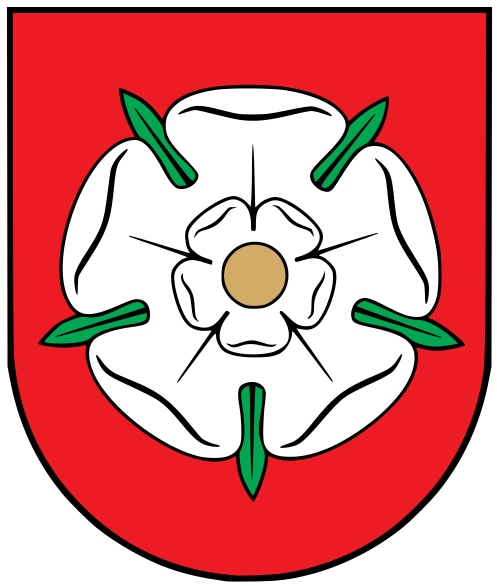
On 15 June 1581, Stephen Báthory granted Alytus self-government rights and a white rose on red as its arms. Juozas Galkus reconstructed the present drawing from old city seals; it was approved in 1995.
Explore 40 Lithuanian cities: find their locations, discover their coats of arms and try the Find the City practice.
This map contains 40 selected cities from our learning collection. It is not yet a list of every Lithuanian city and town.
Enable JavaScript for the interactive map and practice. You can also read the city stories below.
Larger dots represent larger cities. Sizes are indicative.
On 15 June 1581, Stephen Báthory granted Alytus self-government rights and a white rose on red as its arms. Juozas Galkus reconstructed the present drawing from old city seals; it was approved in 1995.
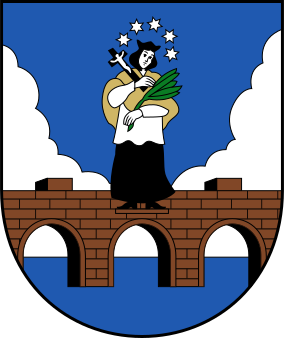
Anykščiai’s historic arms are associated with the city rights of 1792. Saint John of Nepomuk stands on a bridge at their centre. The present symbol retains this pairing of saint and bridge.
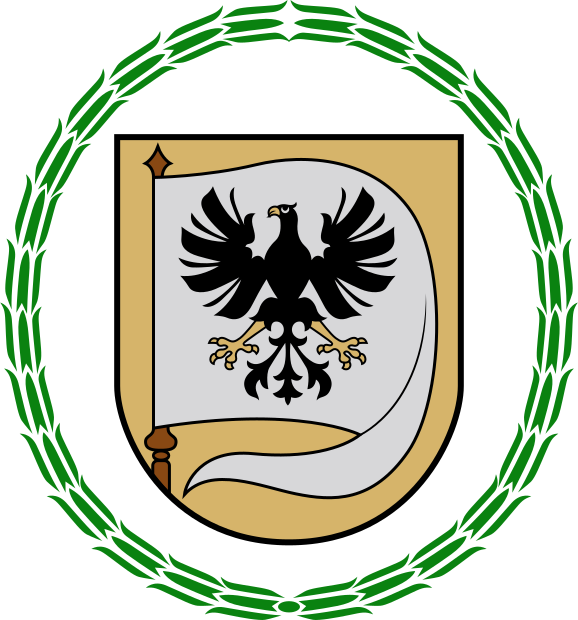
The Biržai tourism centre’s historical guide links the arms to the city rights of 1589 and the town of the Radziwiłł period. The design brings together an eagle, a flag and a laurel wreath.
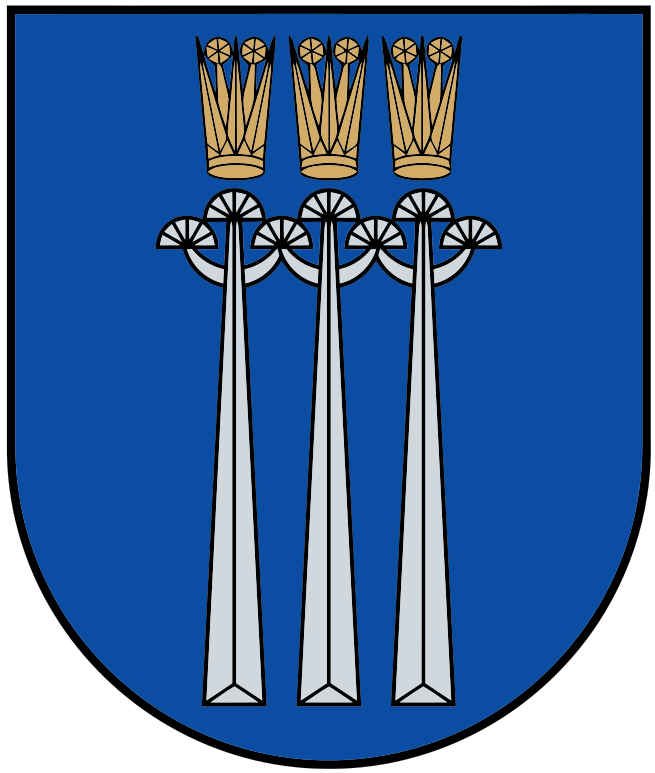
Druskininkai municipality records the presidential decree of 19 April 1994 approving its city arms. The heraldic symbol is distinct from the later resort brand featuring a mineral-water fountain.
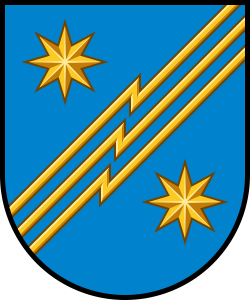
Elektrėnai developed alongside the construction of a power station. Its arms, approved in 1999, use symbols that directly recall energy. The public-library project Vilnijos vartai documents the city’s history.
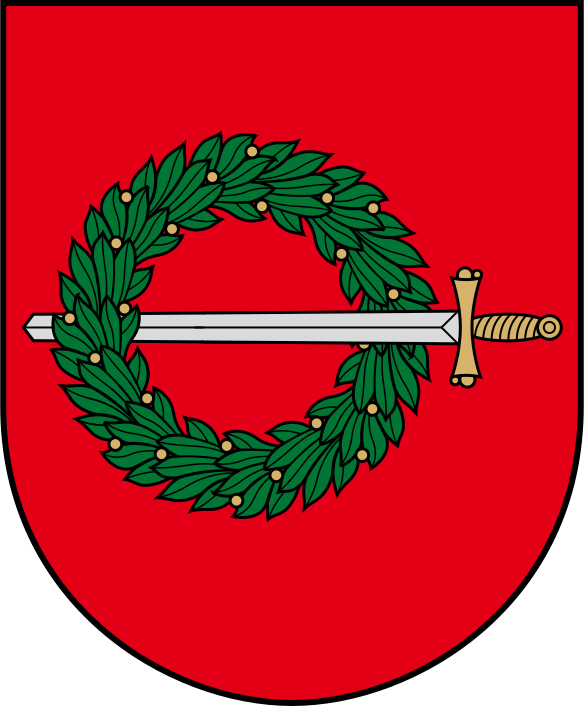
The Gargždai Area Museum traces the arms to the city rights granted in 1792. The present drawing, reviving the historic symbol, was approved by the Lithuanian Heraldry Commission in 1997.
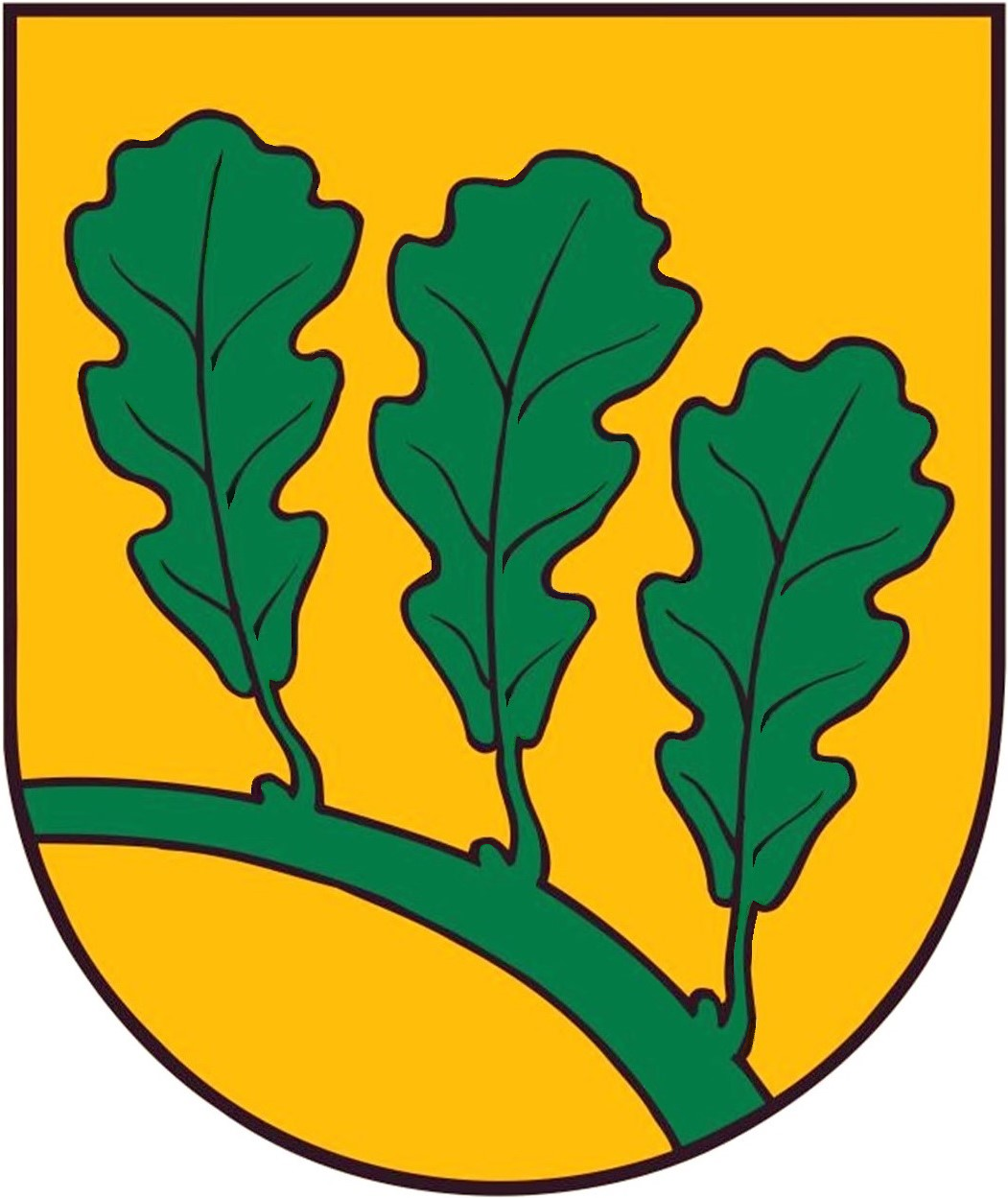
Garliava’s arms were approved in 1994. The artist Valerija Kiškienė discusses her work on the Alšėnai eldership website. The design combines green leaves with a gold field.
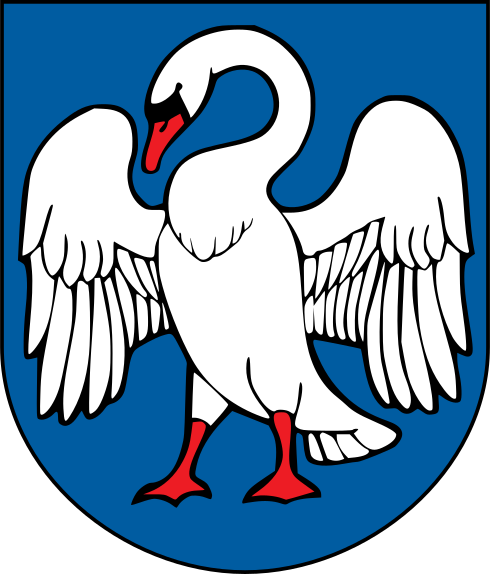
Jonava's city arms were approved on 18 October 1996. Their origins are linked to the family arms of Abraomas Kulvietis, who was born and buried in nearby Kulva.
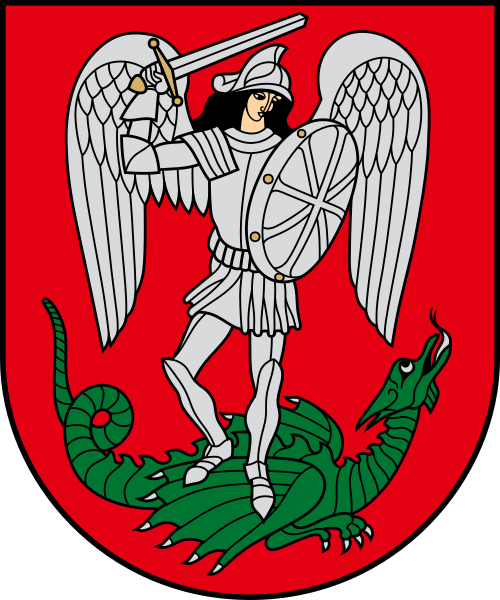
Joniškis received arms showing Saint Michael the Archangel on 4 July 1616. The historic symbol returned in the current arms, approved on 17 April 1991.
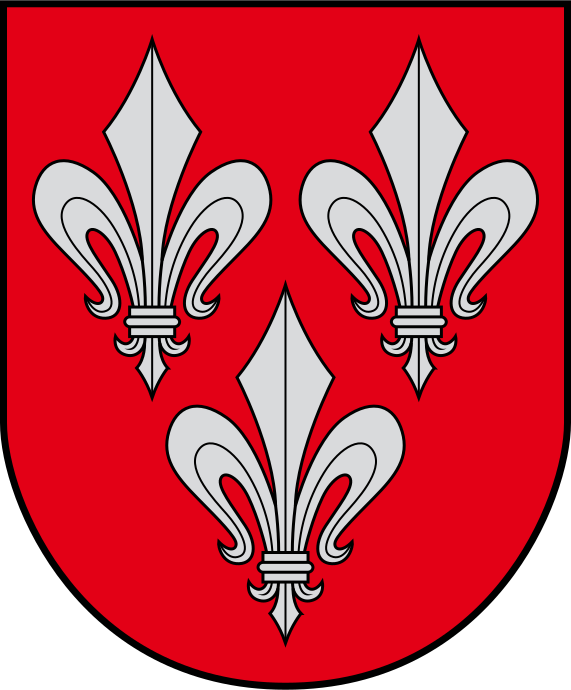
Jurbarkas received Magdeburg rights and arms with three lilies in 1611. The municipality recounts this history. The lilies remain the city arms’ key identifying feature.
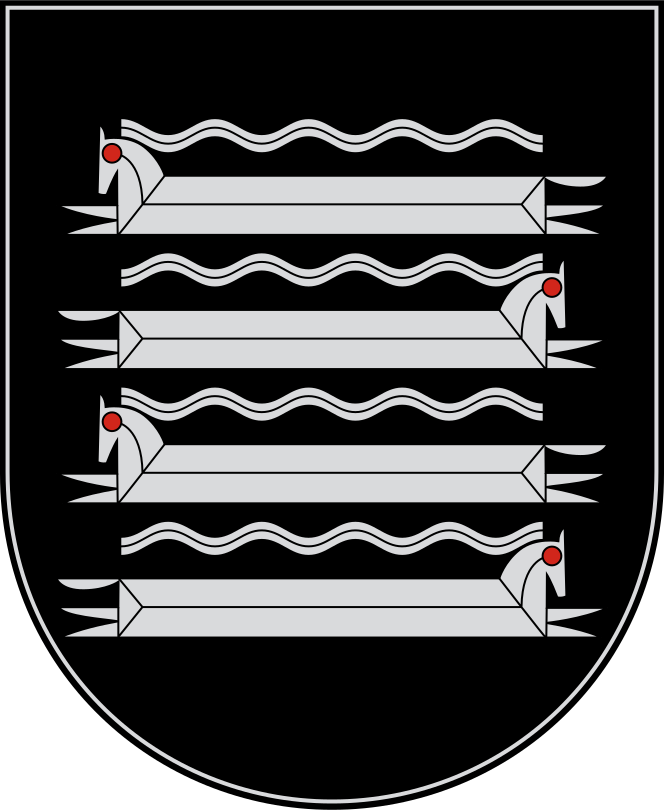
Kaišiadorys’s arms recall the railway junction that helped the town grow. Arvydas Každailis adapted Arūnas Tarabilda’s 1968 symbols to a new shield, approved in 1996.
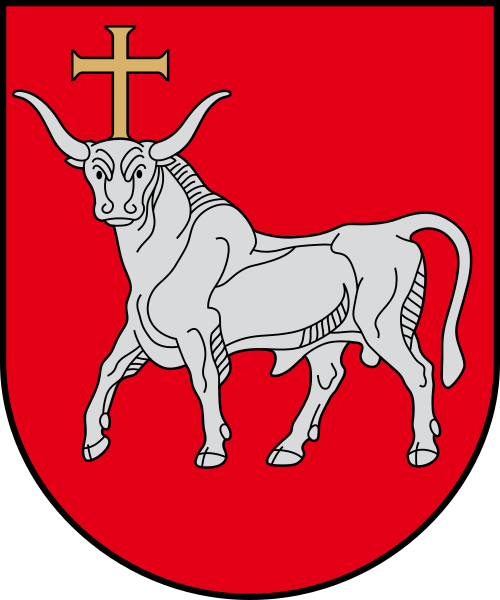
The aurochs is a longstanding symbol of Kaunas, known from its old seals. The historic arms were approved as the present standard on 30 June 1993.
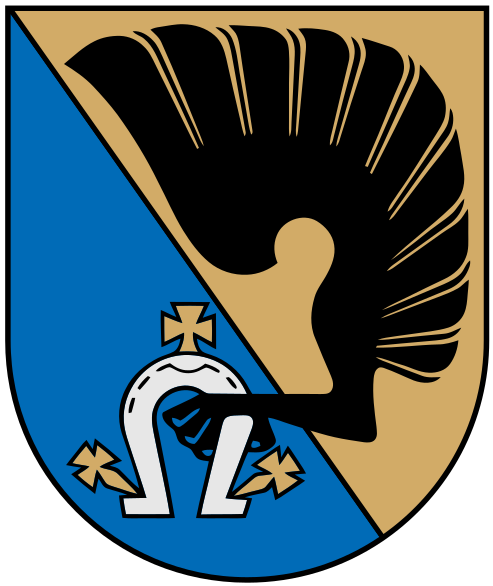
Kėdainiai municipality traces this design to the privilege granted by Kristupas Radvila in 1627. The new symbol joined part of the Radziwiłł eagle with the Kiszka family horseshoe, telling a story about the town’s owners.
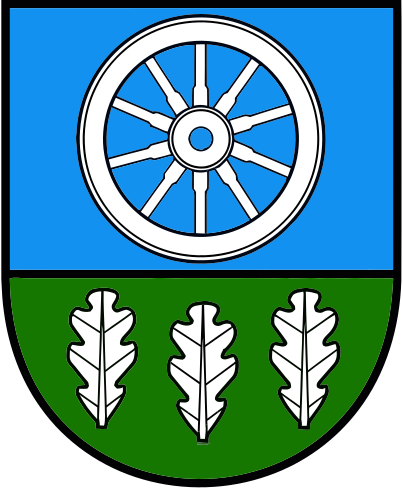
Edmundas Žiauberis devised Kelmė’s arms in 1970. Juozas Galkus adapted the design to modern heraldic requirements; the current arms were approved in 1998.
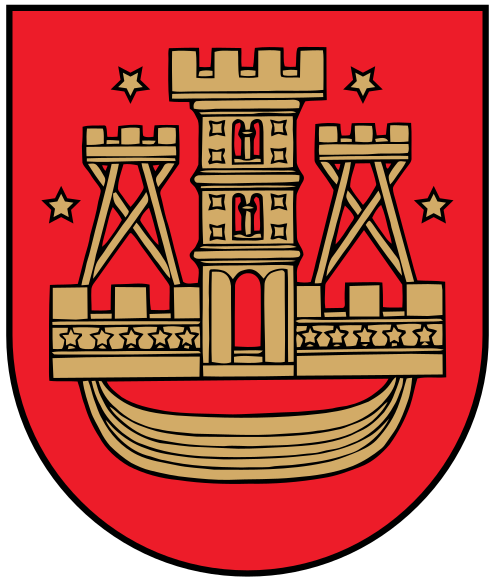
Klaipėda's symbols connect with its medieval city seals and castle. The city's beginnings are marked by a founding document from 1252. The History Museum of Lithuania Minor explores these symbols today.
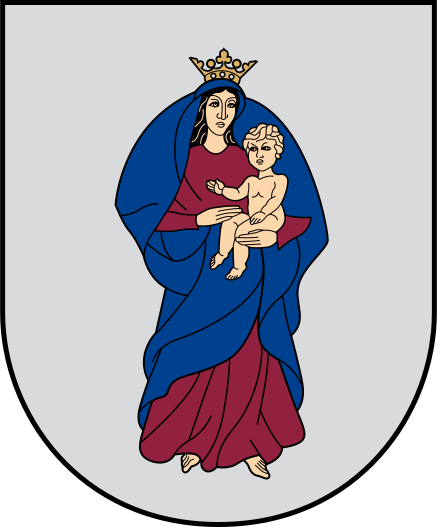
Kretinga’s public library describes successive city symbols, including Mary, Saint Casimir, a lion and a griffin. When historic heraldry was restored, the city returned to the Virgin Mary holding the Christ Child.
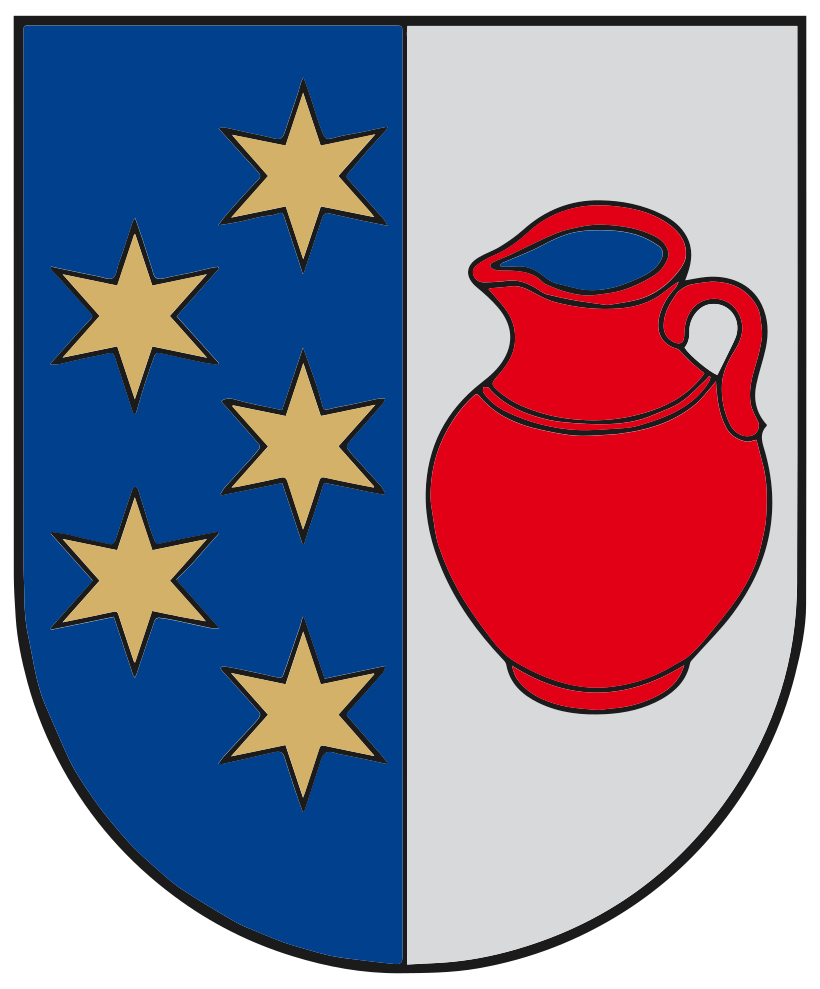
Two local stories meet in Kuršėnai’s arms. The stars recall Laurynas Ivinskis, publisher of the first Lithuanian calendar, who is buried here; the jug recalls local craftspeople.
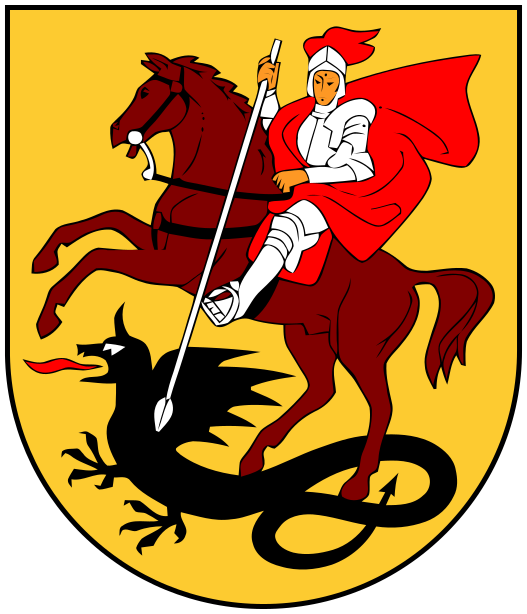
Marijampolė received Magdeburg rights and arms featuring Saint George on 23 February 1792. Raimondas Miknevičius reconstructed the present design, approved on 18 December 1997.
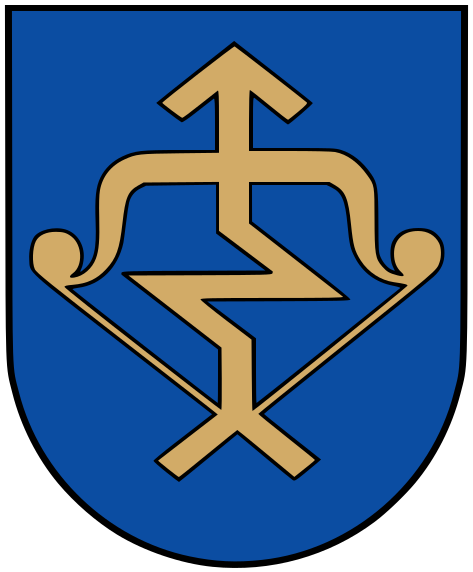
Jonas Eglinskas proposed the idea for Mažeikiai's arms, refined by heraldic artist Arūnas Tarabilda. The design was approved on 15 April 1968; Mažeikiai Museum researches its creation.
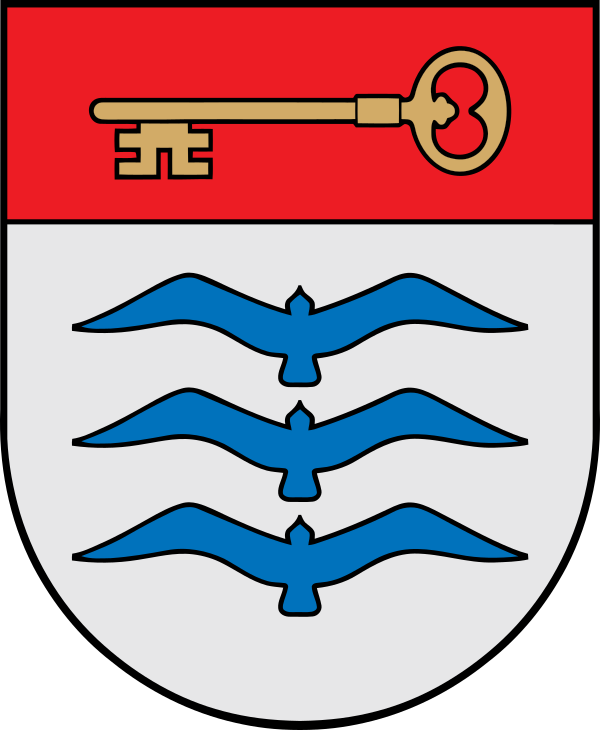
Molėtai’s symbols were selected in 1970; the renewed arms were approved in 1997. The gold key recalls an old administrative unit known as the Molėtai key.
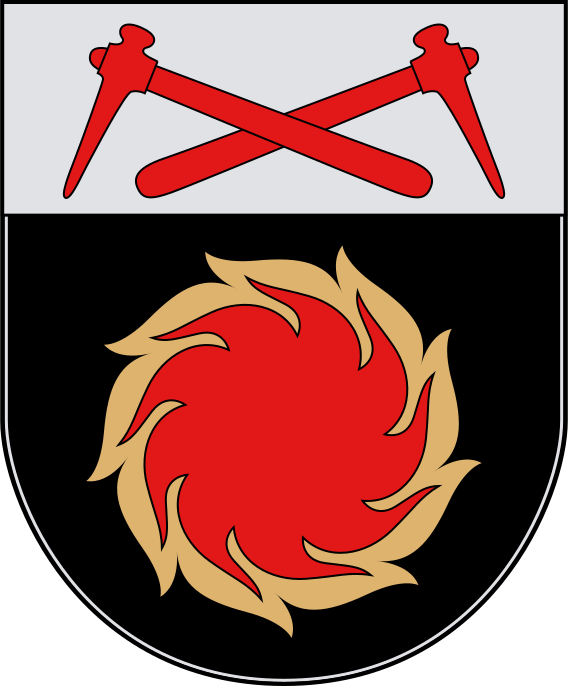
Naujoji Akmenė’s arms reflect the town’s industrial origins. Artist Arvydas Každailis selected symbols recalling limestone quarrying and cement production.
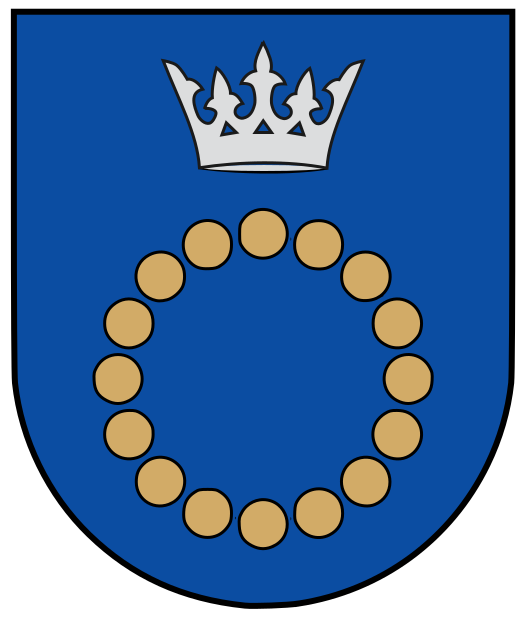
Palanga municipality records that Feliksas Daukantas created the original version of this motif. After independence was restored, Gražina Oškinytė-Eimanavičienė revised it. The arms were approved on 3 September 1996.
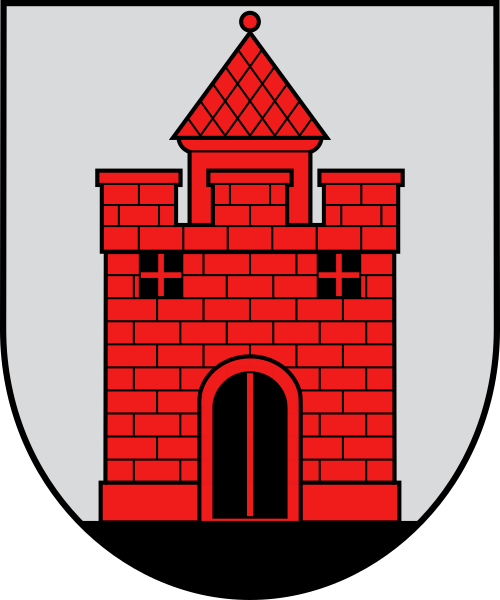
Panevėžys's current arms were reconstructed from early nineteenth-century city seals. Arvydas Každailis's design was approved on 11 May 1993. These are the city arms, distinct from those of Panevėžys District.
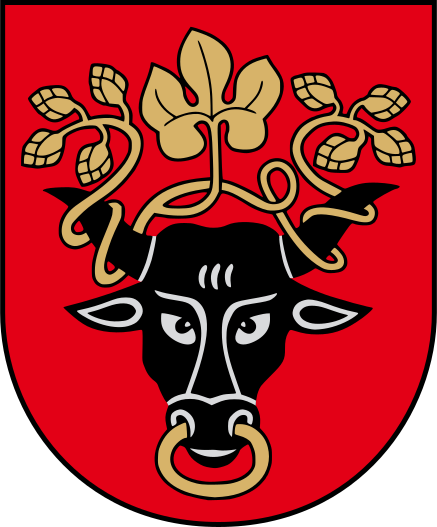
Petras Repšys designed Pasvalys’s arms. Symbols selected in 1970 survived the renewed standard, approved by the President on 17 March 1997.
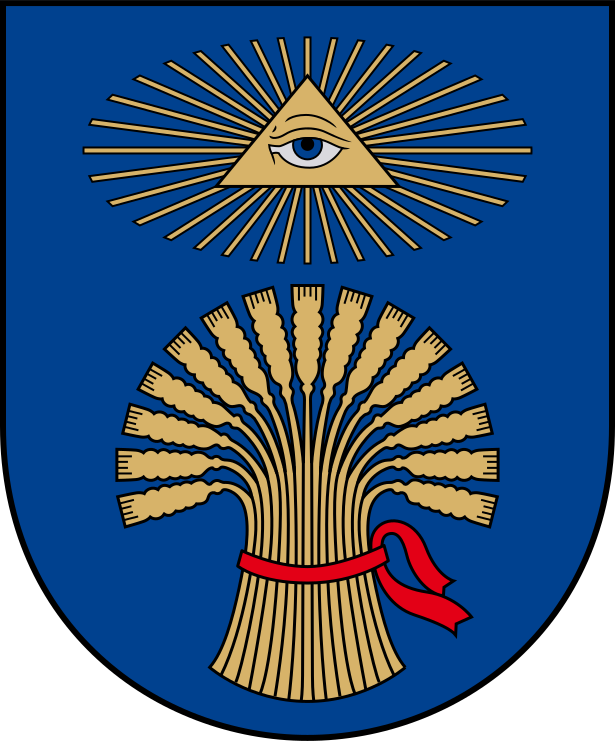
Plungė municipality records the grant of Magdeburg rights on 13 January 1792. The accompanying arms introduced a wheat sheaf and the Eye of Providence, motifs that remain in the city’s heraldry.
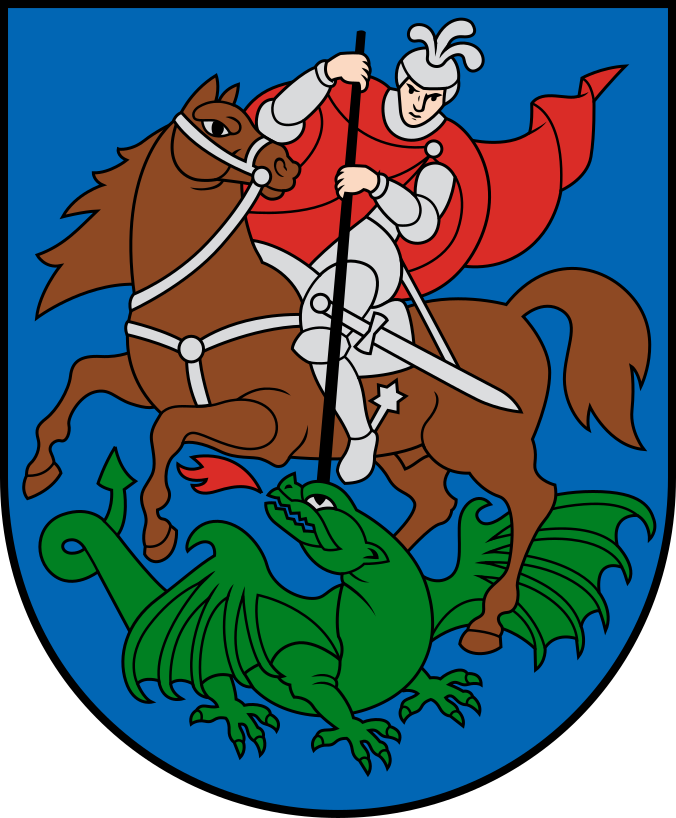
Prienai received arms showing Saint George with its self-government privilege on 9 November 1791. Rolandas Rimkūnas prepared the standard when the historic design was restored.
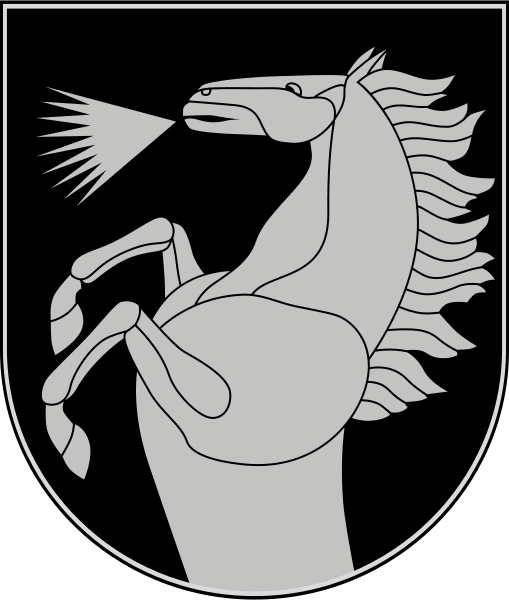
Radviliškis municipality links its horse to movement, transport and the city’s role as a railway junction. The arms were designed by Laima Ramonienė and approved in 1992.
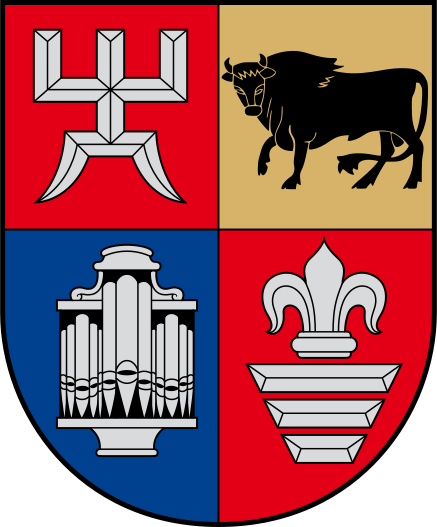
Rokiškis Regional Museum names Juozas Galkus as the designer of the current arms. The President approved them on 15 September 1993. The four fields combine manor-family symbols with the city’s musical traditions.
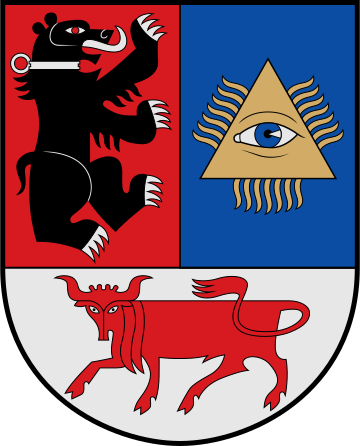
Šiauliai received its arms with free-city rights on 9 November 1791. The Lithuanian Heraldry Commission approved the present designs in 2001; they were drawn by Agnius Tarabilda.
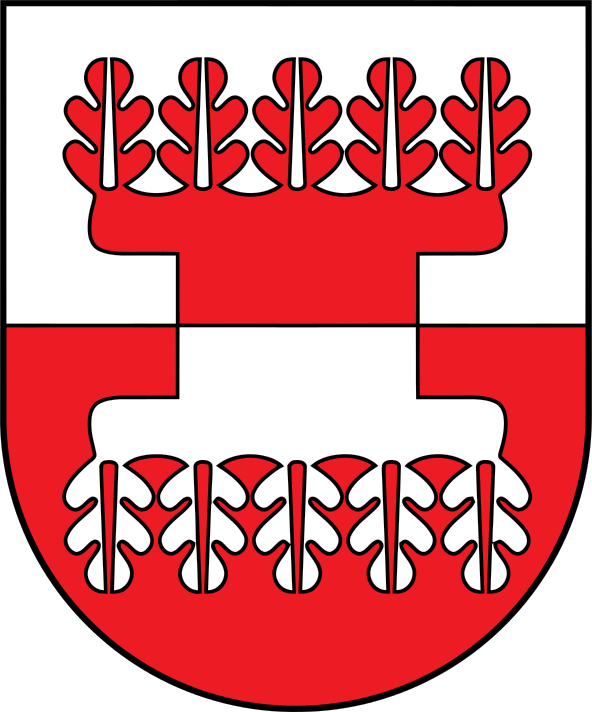
Arūnas Tarabilda designed Šilalė’s arms in 1968. After their suppression in the Soviet period, the symbol was restored; the present standard prepared by Laima Ramonienė was approved in 2001.
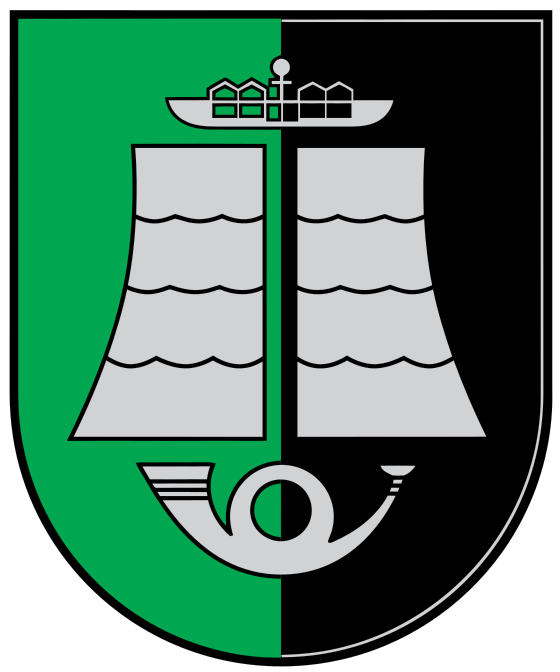
Šilutė municipality describes the new motif created in 1968, connecting the city with lagoon fishing and an old postal route. The President approved the city arms again on 5 October 1995.
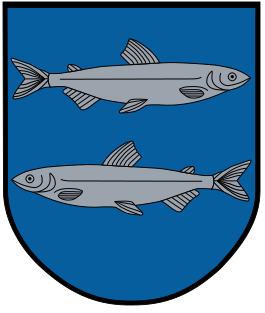
Two fish have appeared in Švenčionys’s heraldry since the nineteenth century. They were retained in the town’s renewed arms, approved on 16 September 1992.
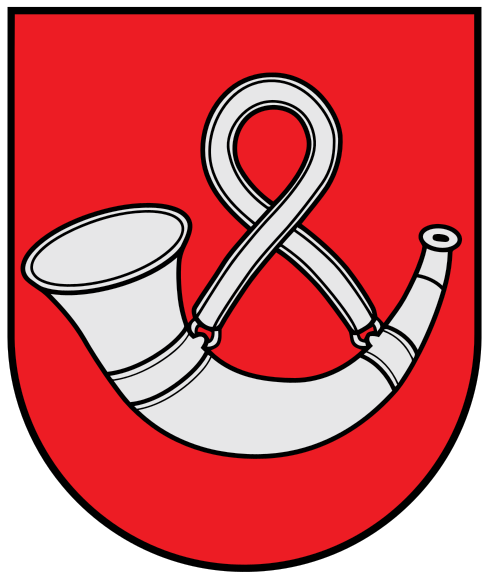
Tauragė’s horn motif was used in the city arms created in 1969. When its heraldry was restored, the motif remained but the drawing was revised. The President approved the current arms on 3 March 1997.
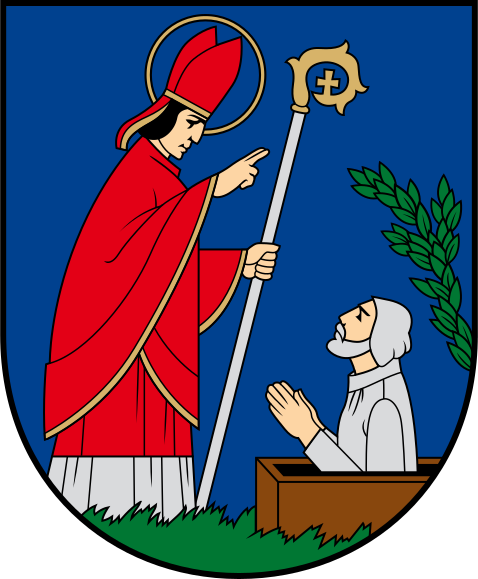
Telšiai municipality connects the arms with the grant of city rights in 1791. The chosen figure is Saint Stanislaus, Bishop of Kraków. The historic arms were restored and approved on 21 December 1991.
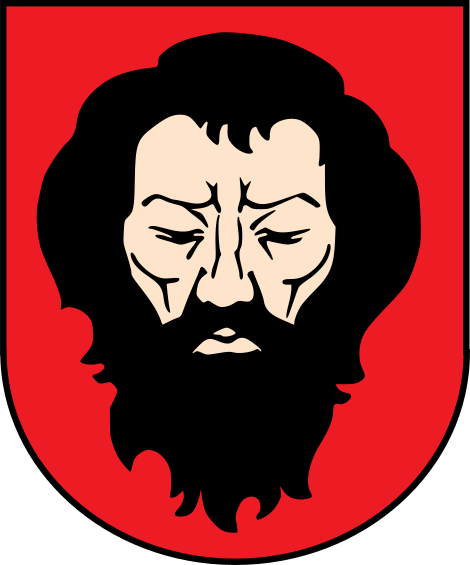
Trakai’s city arms show the head of Saint John the Baptist. This city symbol should not be confused with the warrior of the historic Duchy of Trakai. The current city arms were approved in 1996.
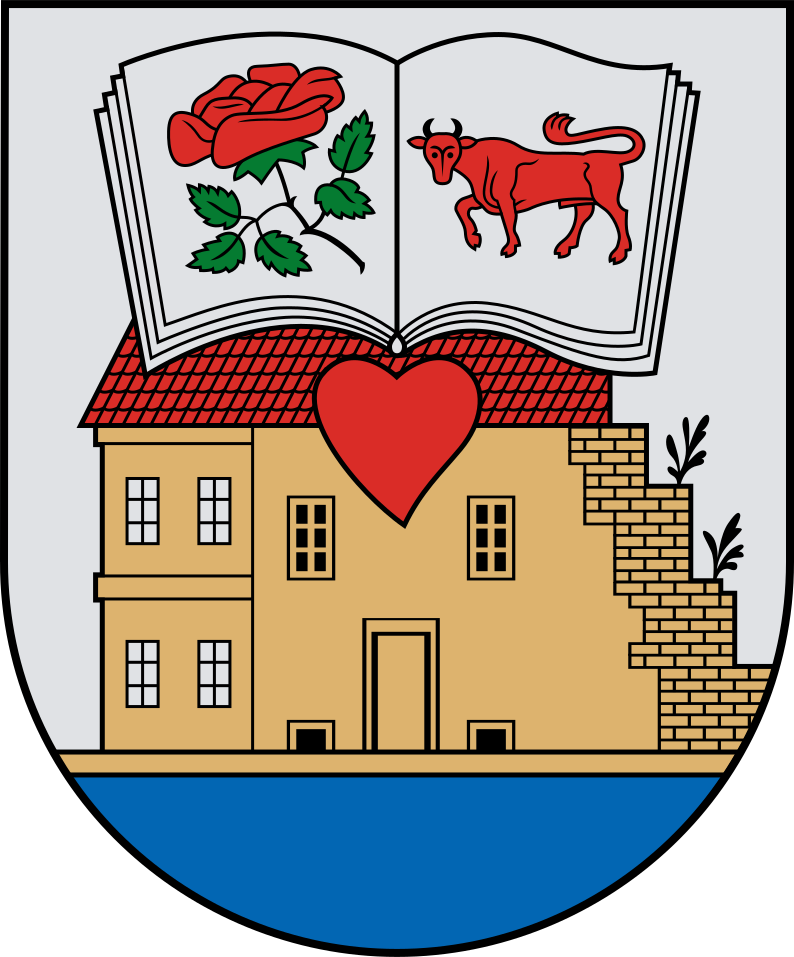
Ukmergė municipality records the grant of city rights and arms by Stanisław August Poniatowski in 1792. Its elaborate design reflects ideas of the city’s renewal and the reforms of that period.
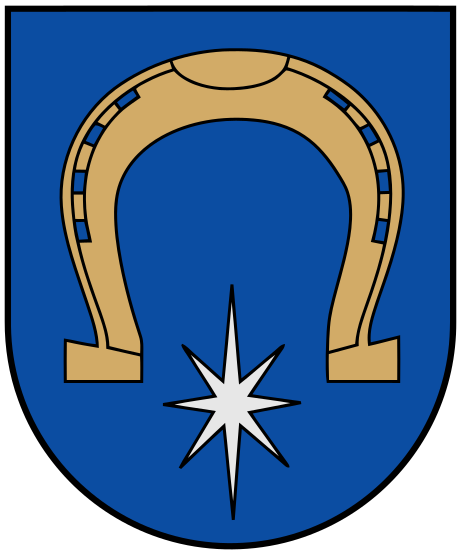
Arvydas Šaltenis and Aldona Jonuškaitė created Utena's arms in 1969. After their use was banned, Raimondas Miknevičius restored the earlier design. The current arms were approved on 26 September 1996.
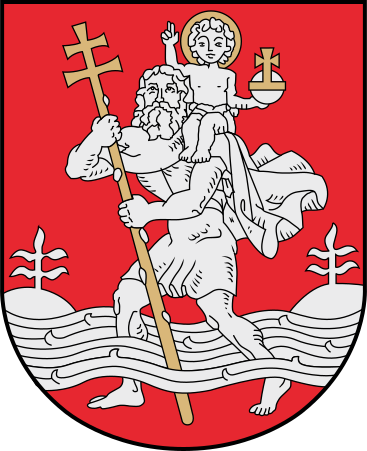
Vilnius's arms show its patron, Saint Christopher. The current arms were approved on 17 April 1991. His name is also used for the city's awards honouring people who have served Vilnius.
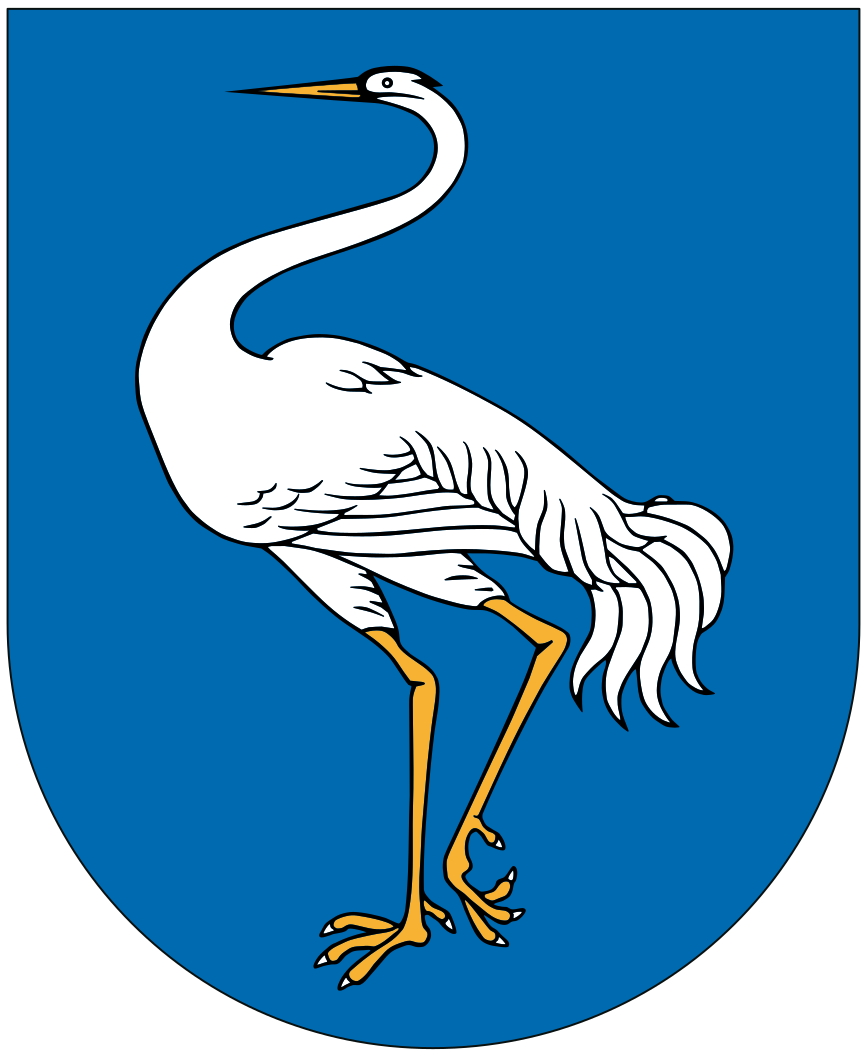
The crane is Visaginas’s symbol. The municipal tourism centre explains it as a sign of vigilance and caution, linking the choice to the history of a city that grew beside a nuclear power station.
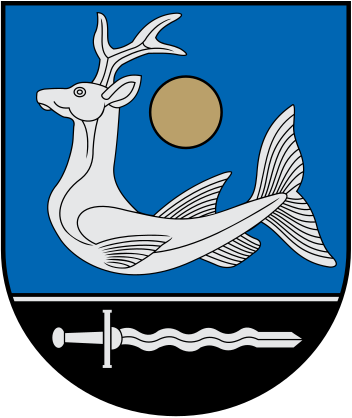
Antanas Raimondas Miknevičius designed Zarasai’s standard in 1969. A revised shield retaining the same story was approved on 7 March 1996.
GeoNames supplies locations and indicative dot sizes. Population records have different reference periods, so sizes do not represent the latest official population statistics. Distances run directly between city reference points, rather than along roads.
Landmarks are generalized. These are selected rivers, not the entire river network; this is a learning map, not a navigation map.
60 municipality boundaries: geoBoundaries / OpenStreetMap, source reference year 2017. The subdivision is indicative.
Download landmark data · ODbL 1.0
Data checked: 2026-11-03
No sign-up · No ads