Country catalogue 195 countries in one place: flags, capitals and currencies. Search by country, capital or currency and explore each continent.
193 UN member states and 2 observers: Palestine and the Holy See (Vatican City). Continents match our core flag collections.
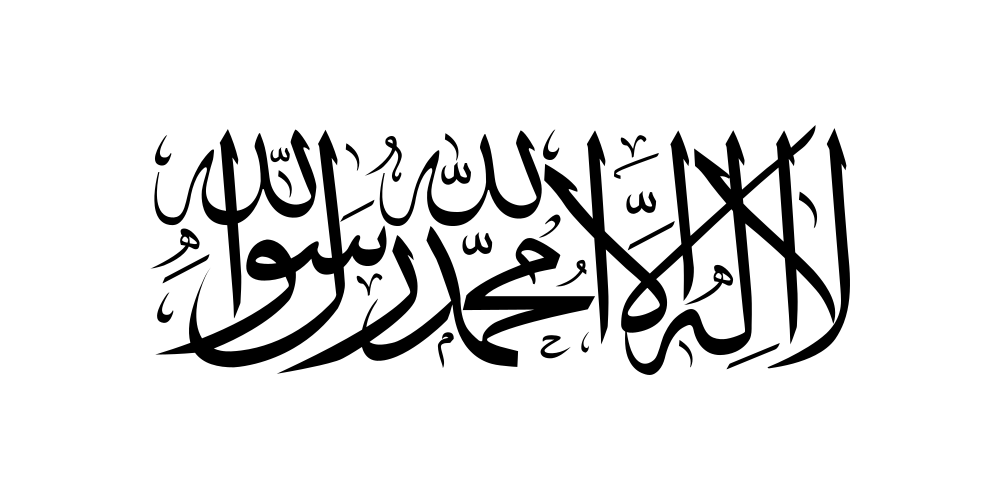
Capital Kabul Facts and notes This set shows Kabul alongside the white flag used by the de facto Taliban authorities in control since 2021. The former republic tricolour is explained in the flag story.
Kabul’s Bagh-e Babur garden follows a hillside in fifteen terraces. Sources
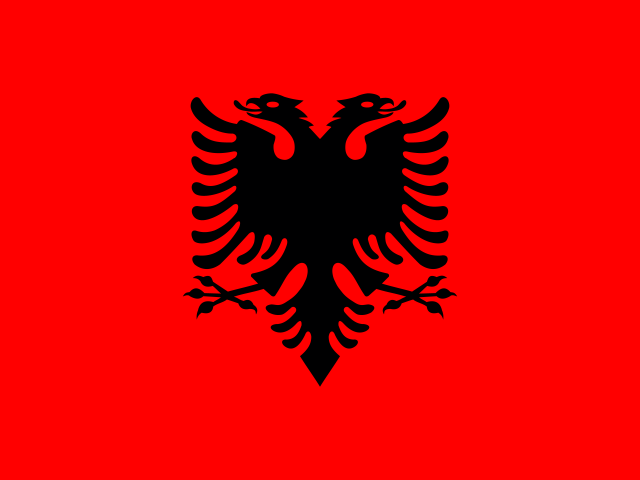
Capital Tirana Facts and notes Tirana became Albania’s capital in 1920, initially on a temporary basis. Its Clock Tower predates that capital status: it was built in the early 19th century. Sources
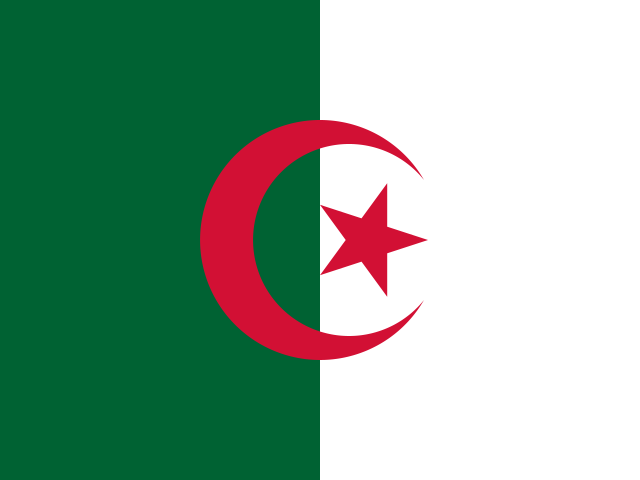
Capital Algiers Facts and notes The Casbah of Algiers is a hillside old town on the Mediterranean, with mosques, palaces and a closely woven street network. Sources
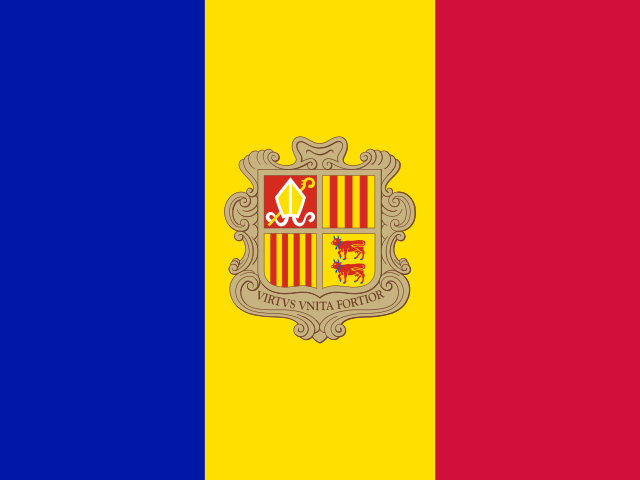
Capital Andorra la Vella Facts and notes The country uses the euro under a formal agreement, although it is not an EU member.
Casa de la Vall in the old town was built in 1580 and later became the home of Andorra’s parliament. Sources
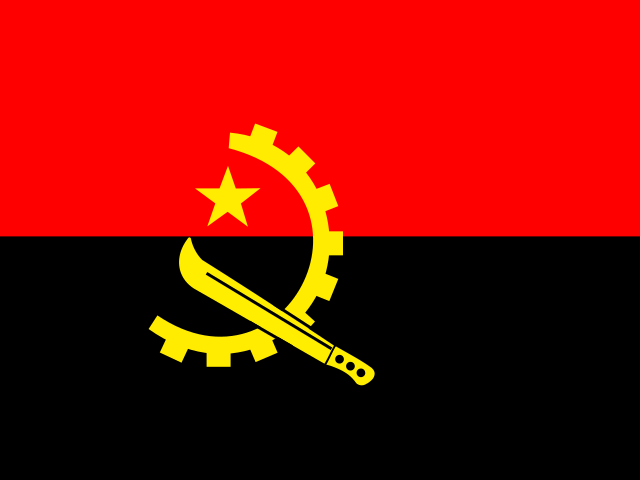
Capital Luanda Facts and notes Angola contains Mbanza Kongo, the former capital of the Kingdom of Kongo. It is a different city from today’s capital, Luanda. Sources
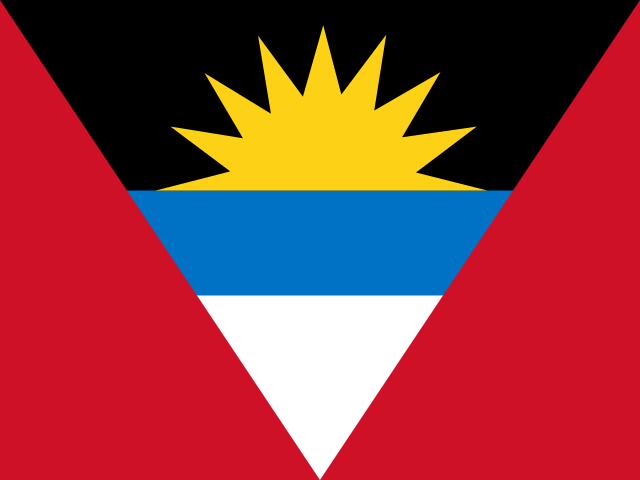
Capital St. John’s Currency East Caribbean Dollar XCD Facts and notes Nelson’s Dockyard on Antigua recalls the island’s maritime history. The surrounding high ground helped protect the harbour. This heritage site is in English Harbour, rather than in the capital St. John’s. Sources
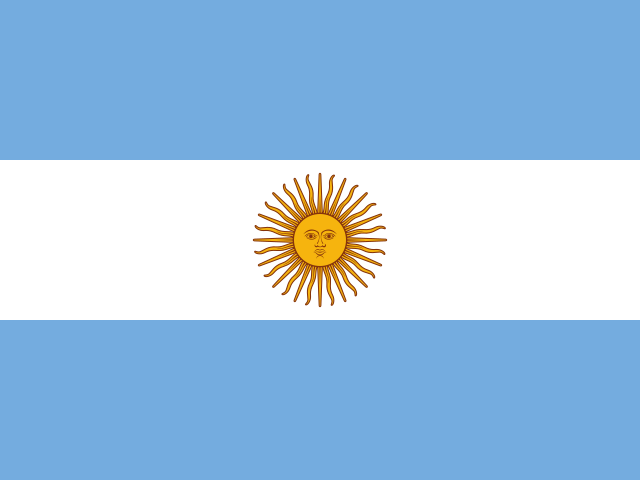
Capital Buenos Aires Facts and notes Buenos Aires joined the UNESCO Creative Cities Network as a City of Design in 2005. Its community of design professionals and centres for education, research and innovation helped the city earn this recognition. Sources
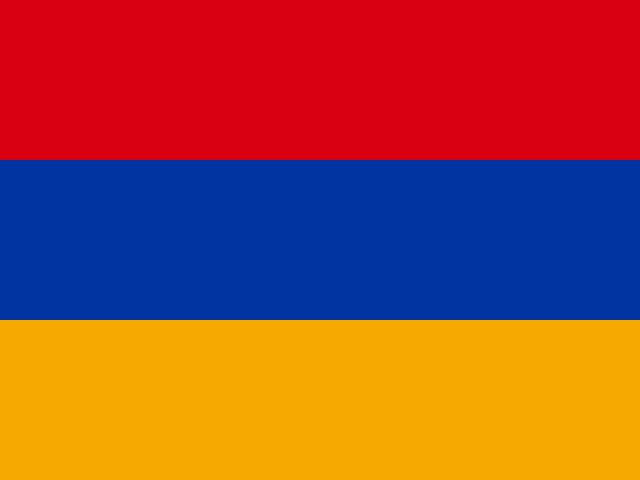
Capital Yerevan Facts and notes Yerevan’s history is linked to Erebuni Fortress, founded in 782 BC. A surviving cuneiform inscription by King Argishti I helped establish this date. Sources
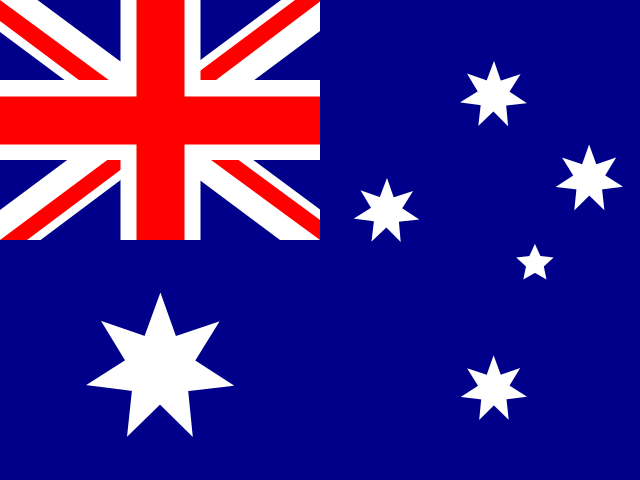
Capital Canberra Facts and notes Canberra was officially named on 12 March 1913. It was planned specifically as Australia’s national capital. The federal Parliament first met in Canberra in 1927; before that it sat in Melbourne. Sources
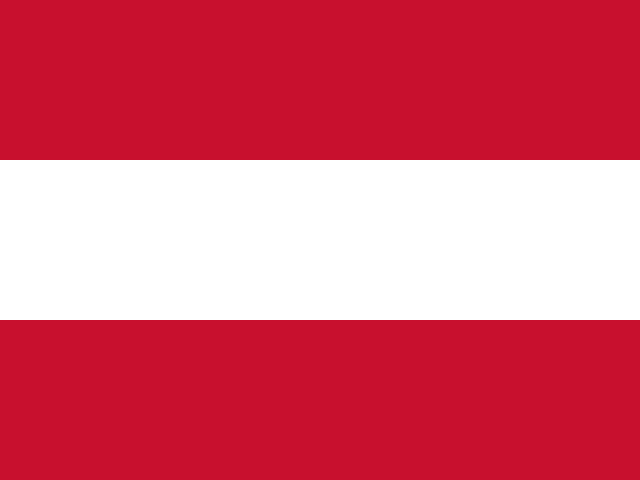
Capital Vienna Facts and notes This country adopted the euro in 1999. Euro notes and coins followed in 2002.
Mozart, Beethoven and Schubert lived and worked in Vienna, helping make it a major centre of European music. Sources
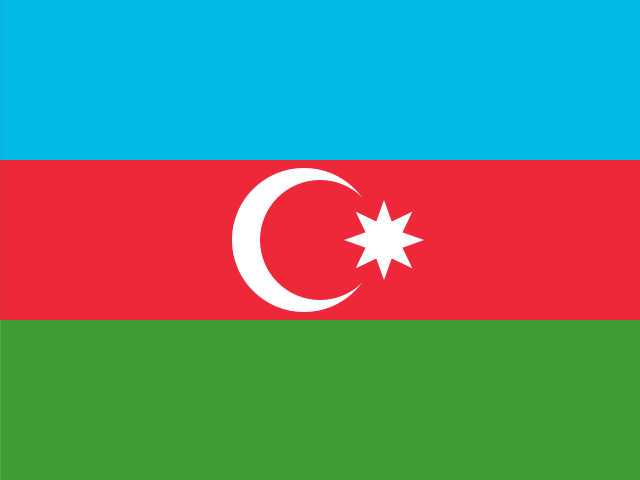
Capital Baku Facts and notes Baku’s old city, Icherisheher, preserves much of its 12th-century defensive walls. One of its symbols is the Maiden Tower, part of the UNESCO-listed old city ensemble. Sources
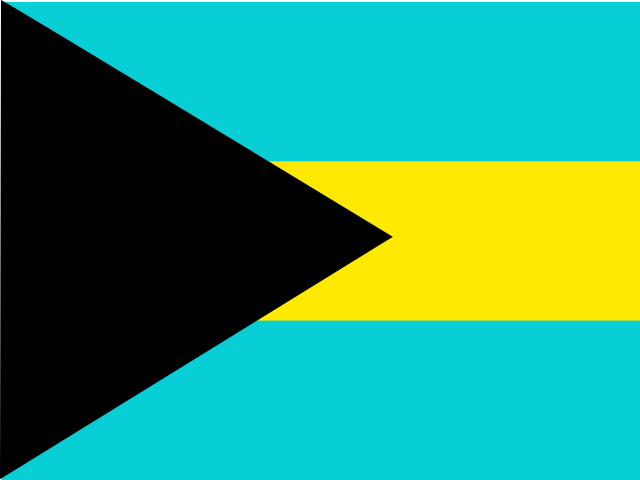
Capital Nassau Facts and notes Nassau became a UNESCO City of Crafts and Folk Art in 2014. Straw crafts and the colourful Junkanoo festival tradition are distinctive parts of its creative life. Sources
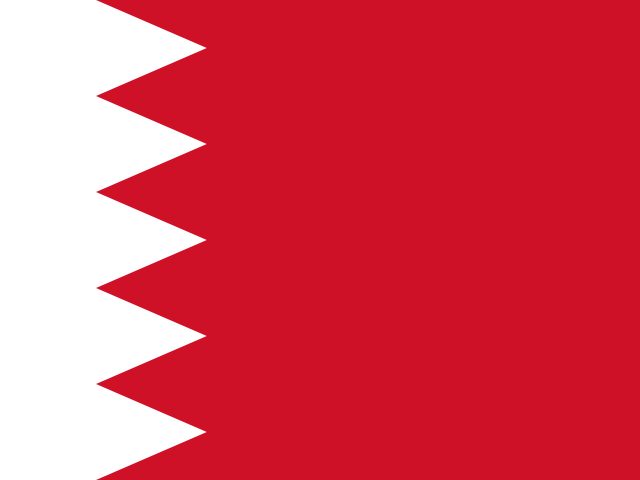
Capital Manama Facts and notes The Bahrain National Museum in Manama opened in 1988. Its exhibitions explore the Dilmun civilization, traditional crafts and other periods of the country’s history. Sources
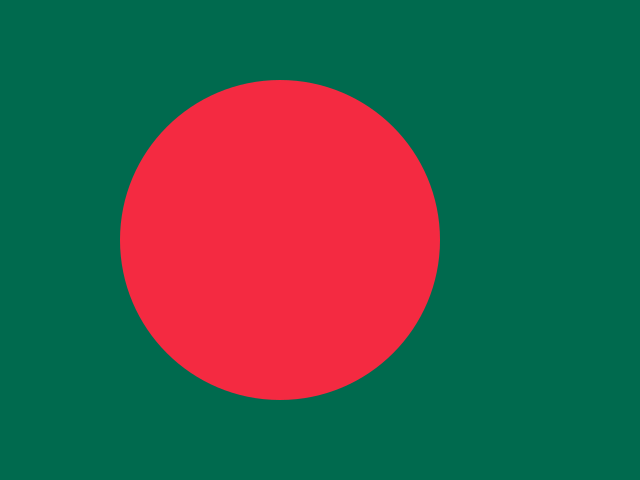
Capital Dhaka Facts and notes Dhaka’s Lalbagh Fort was begun in 1678 but remained unfinished. It preserves part of the city’s Mughal-period history. Sources
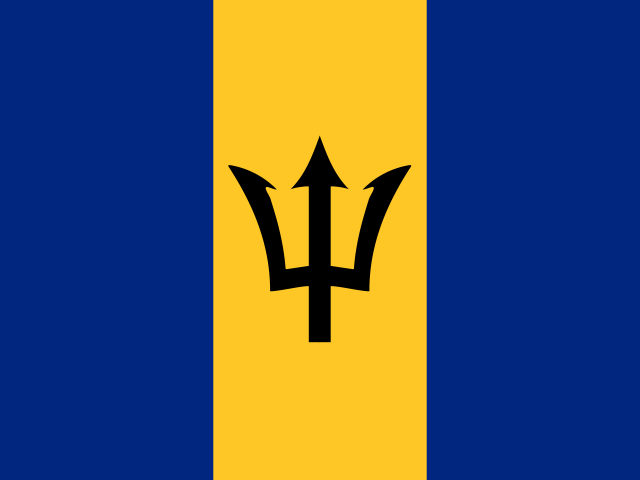
Capital Bridgetown Facts and notes Historic Bridgetown and its Garrison preserve the heritage of a British colonial port. Unlike many colonial towns with rigid street grids, Bridgetown developed a winding street pattern. Sources
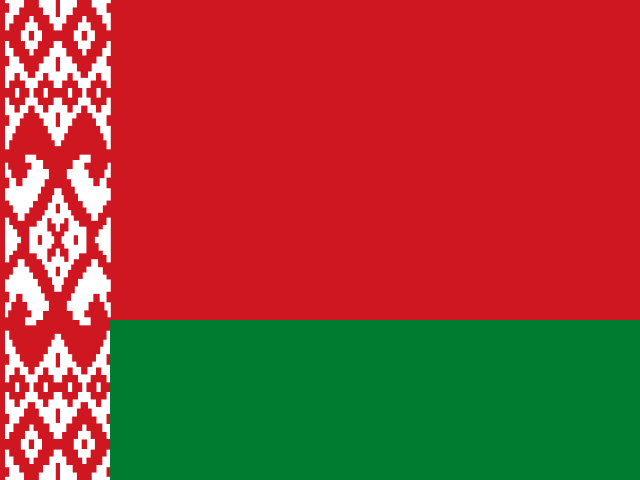
Capital Minsk Facts and notes The upper part of Minsk’s National Library building, completed in 2006, resembles an enormous cut diamond. This unusual structure houses the library’s book collections. Sources
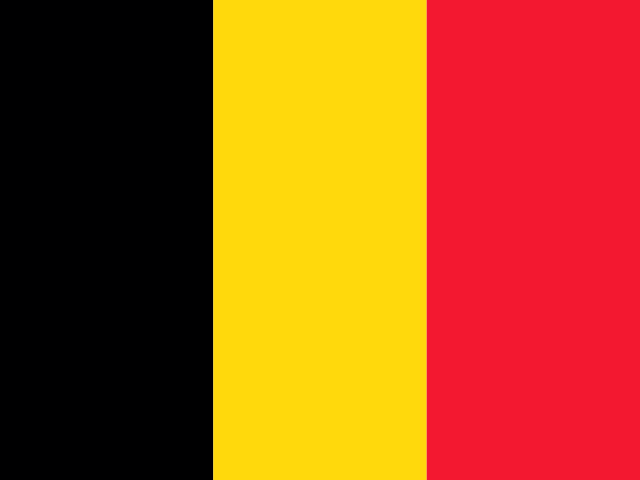
Capital Brussels Facts and notes This country adopted the euro in 1999. Euro notes and coins followed in 2002.
Most of the ornate guild houses around Brussels’ Grand-Place were rebuilt after the city was bombarded in 1695. Sources
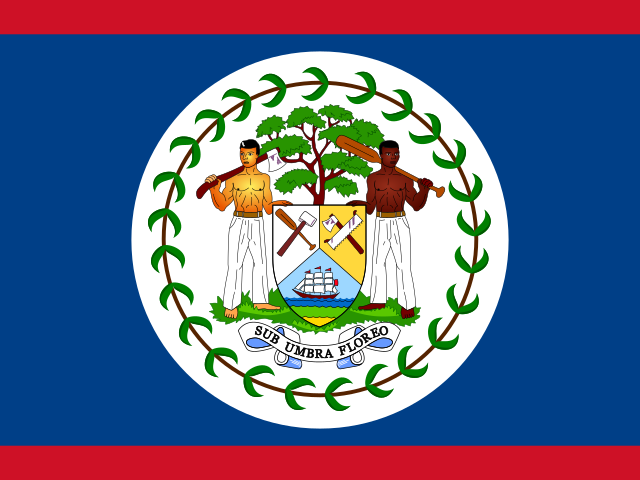
Capital Belmopan Facts and notes Hurricane Hattie devastated the former capital, Belize City, in 1961. A new capital was planned farther inland, and its first phase of construction was completed in 1970. Sources
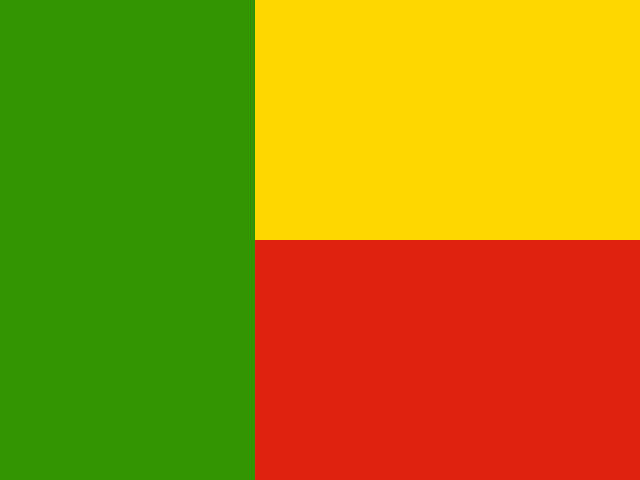
Capital Porto-Novo Currency West African CFA franc XOF Facts and notes Porto-Novo is the official capital; the government and many institutions are based in Cotonou.
Benin’s Royal Palaces of Abomey preserve the history of a kingdom ruled by successive kings between the 17th and 19th centuries. Sources
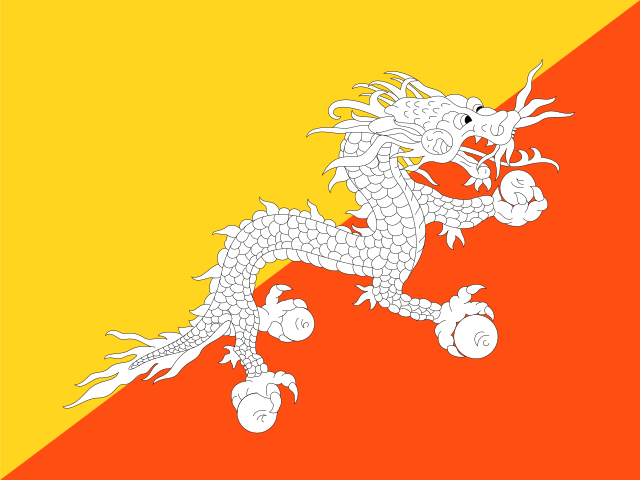
Capital Thimphu Currency Indian rupee INR Bhutanese Ngultrum BTN Facts and notes The national currency is the ngultrum. The ISO list also records the Indian rupee for Bhutan; it is used alongside the ngultrum.
Thimphu houses Bhutan’s principal national institutions. The flag’s white dragon recalls the country’s name Druk Yul, the Land of the Thunder Dragon. Sources
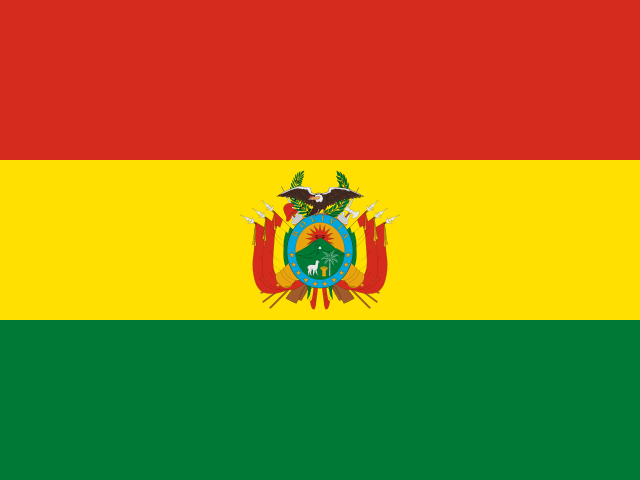
Capital Sucre Facts and notes Sucre is the capital named in Bolivia’s Constitution. La Paz is the seat of government and parliament, so sources often mention both cities. This quiz asks for the constitutional capital: Sucre.
Sucre’s historic centre brings together local building traditions and architecture introduced from Europe. The city’s Casa de la Libertad, or House of Freedom, is associated with Bolivia’s declaration of independence in 1825. Sources
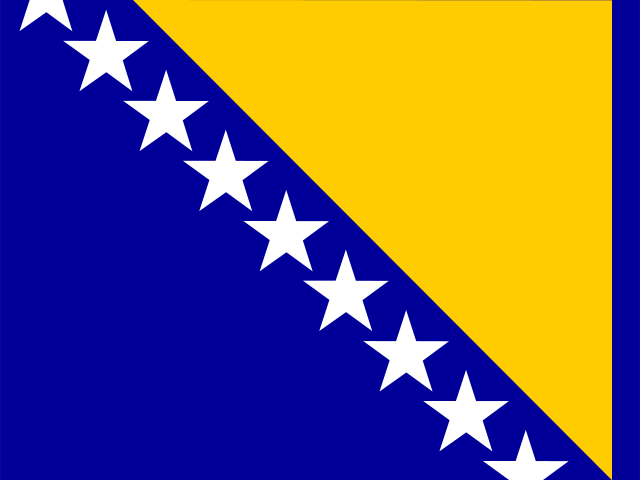
Capital Sarajevo Facts and notes Sarajevo’s old trading and craft quarter, Baščaršija, began developing in the 15th century. Its name comes from Turkish and means the main market. Sources
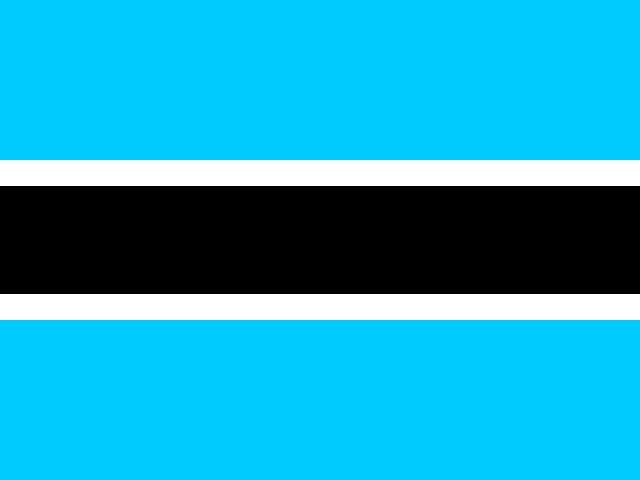
Capital Gaborone Facts and notes Botswana’s Okavango Delta never reaches the sea: its river spreads inland, and the annual flood arrives during the dry season. Sources
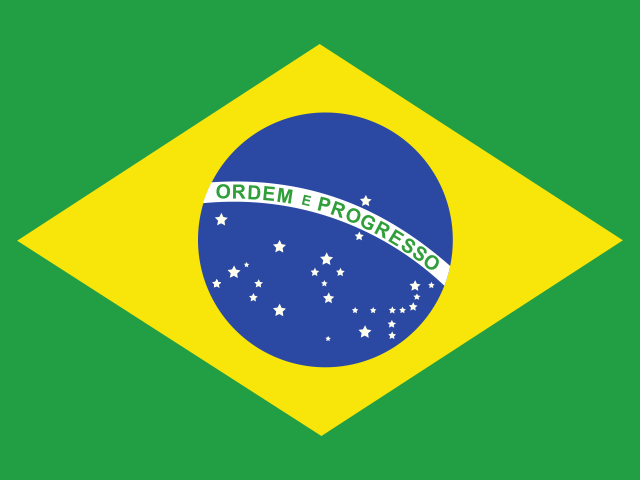
Capital Brasília Facts and notes Brasília was planned specifically as Brazil’s new capital and inaugurated in 1960. Lúcio Costa designed the city plan, while Oscar Niemeyer designed many of its striking public buildings. Sources
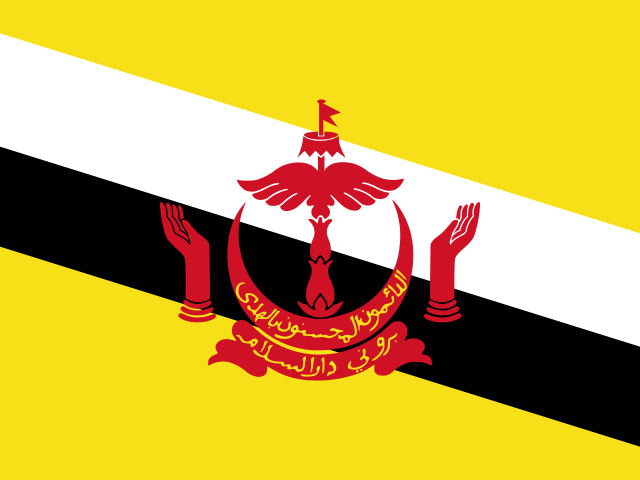
Capital Bandar Seri Begawan Facts and notes The Brunei and Singapore dollars are separate currencies. Under their agreement, the central and licensed banks exchange each other’s currency at par without charge.
The capital’s Kampong Ayer settlement stands on stilts over the Brunei River. Wooden walkways and bridges connect its neighbourhoods. Sources
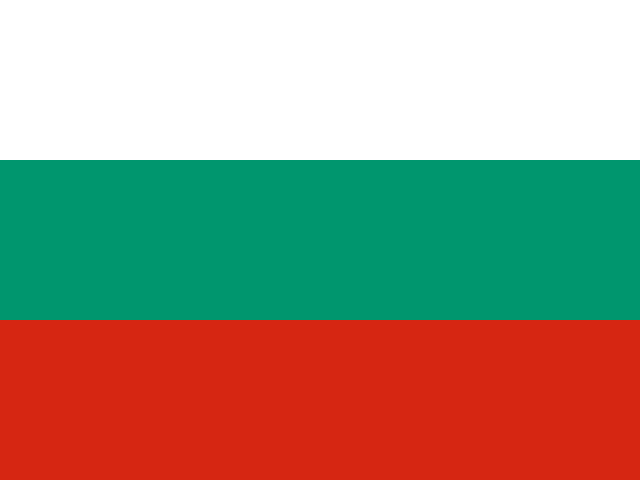
Capital Sofia Facts and notes This country adopted the euro in 2026.
The remains of ancient Serdica lie beneath the centre of modern Sofia. At the Western Gate, parts of an old street, the city wall and water channels are on display. Sources
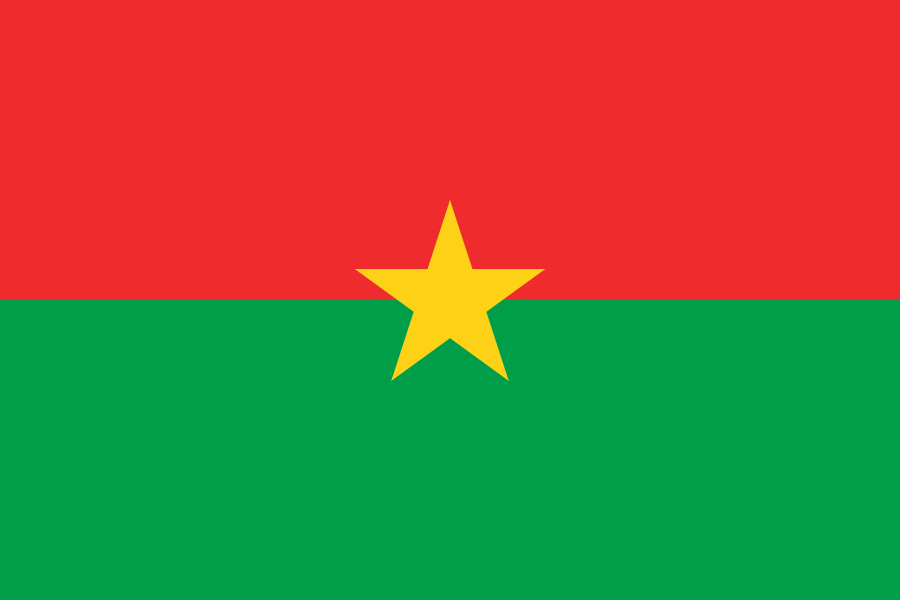
Capital Ouagadougou Currency West African CFA franc XOF Facts and notes Burkina Faso’s stone-walled ruins at Loropéni are linked to old gold-trading routes. They are at least a thousand years old. Sources
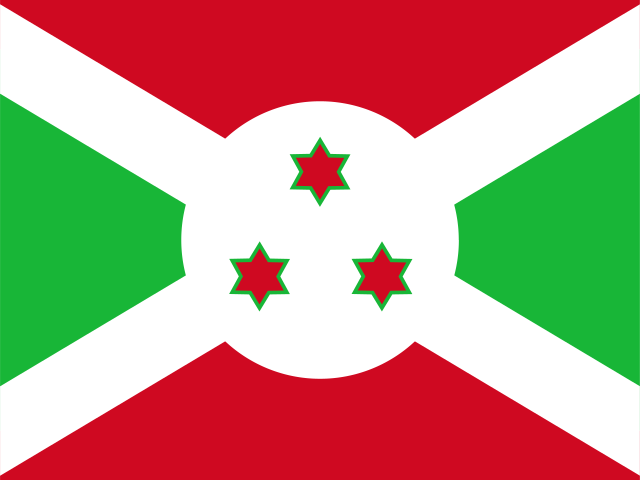
Capital Gitega Facts and notes Gitega is the political capital, while former capital Bujumbura remains the economic capital.
Burundi’s royal-drum tradition brings together drumming, dance, songs and heroic poetry. Sources
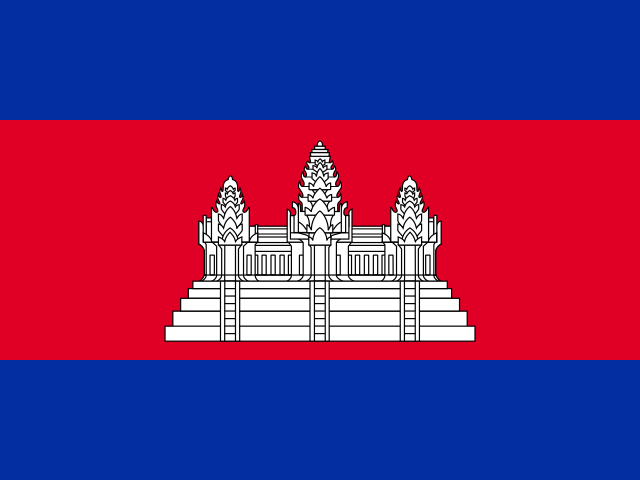
Capital Phnom Penh Currency Cambodian Riel KHR US dollar USD Facts and notes The national currency is the riel. The US dollar is also widely used in Cambodia’s economy.
Phnom Penh’s Silver Pagoda takes its name from its silver floor tiles. The neighbouring Royal Palace remains a working royal residence. Sources
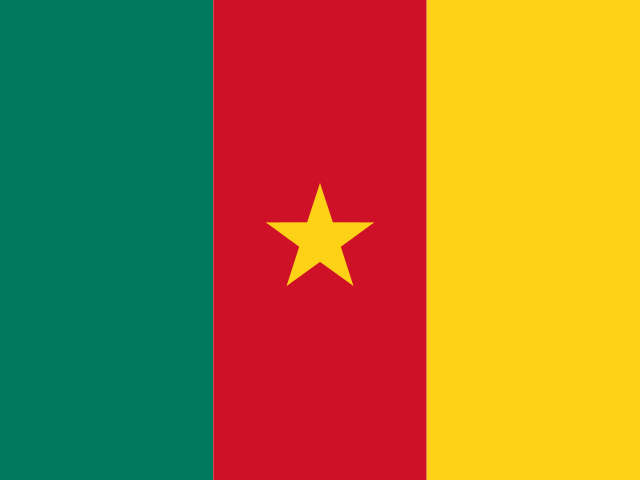
Capital Yaoundé Currency Central African CFA franc XAF Facts and notes Cameroon’s Dja Faunal Reserve is almost completely encircled by the Dja River, a natural boundary around its rainforest. Sources
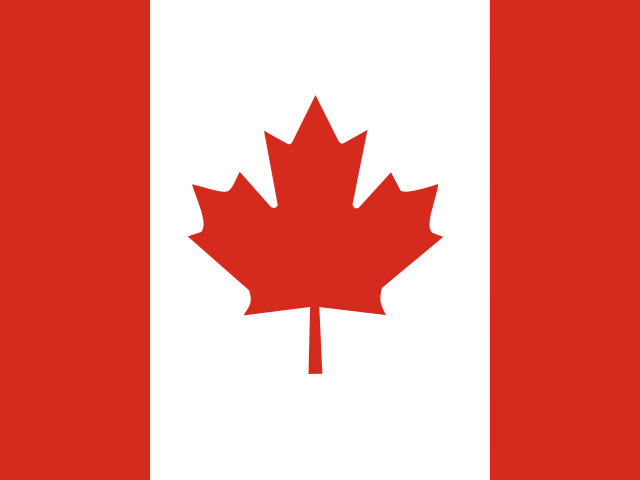
Capital Ottawa Facts and notes The 19th-century Rideau Canal links Ottawa and Kingston. This waterway was built for military purposes, and parts of its historic lock system survive today. Sources
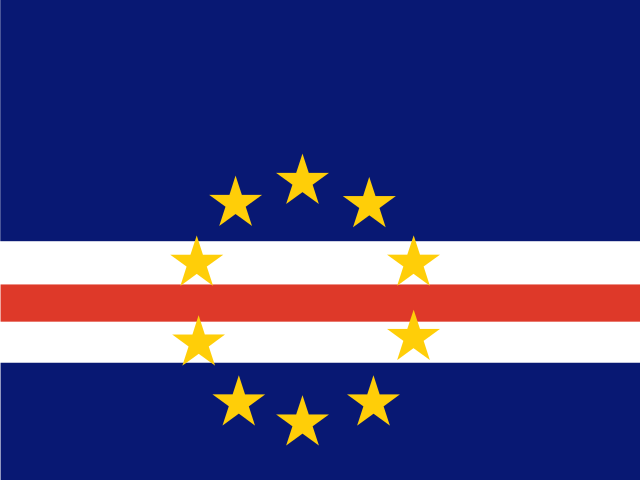
Capital Praia Facts and notes Cabo Verde’s historic Cidade Velha was formerly called Ribeira Grande. Parts of its original colonial street layout survive. Sources
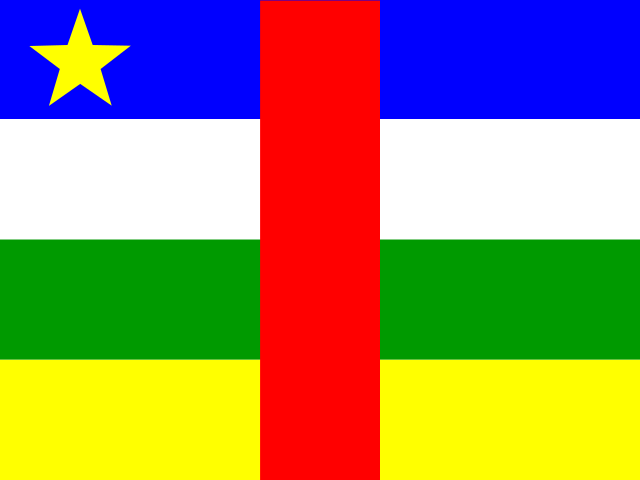
Capital Bangui Currency Central African CFA franc XAF Facts and notes The Central African Republic, Cameroon and the Republic of the Congo share the Sangha protected area, joining three national parks. Sources
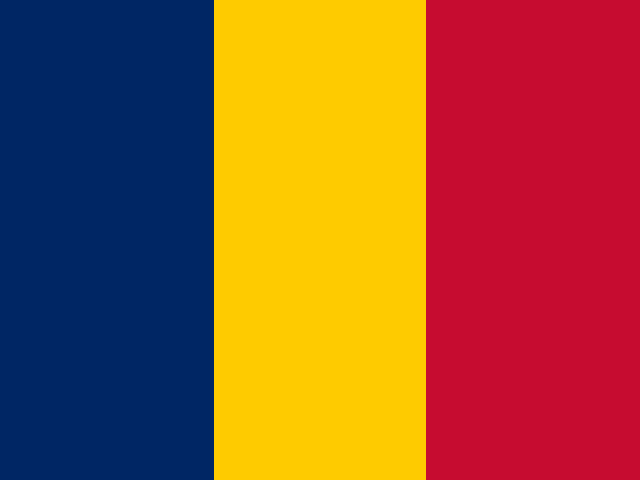
Capital N’Djamena Currency Central African CFA franc XAF Facts and notes In north-eastern Chad, 18 Ounianga lakes lie in the Sahara. Different water chemistry helps give them different colours. Sources
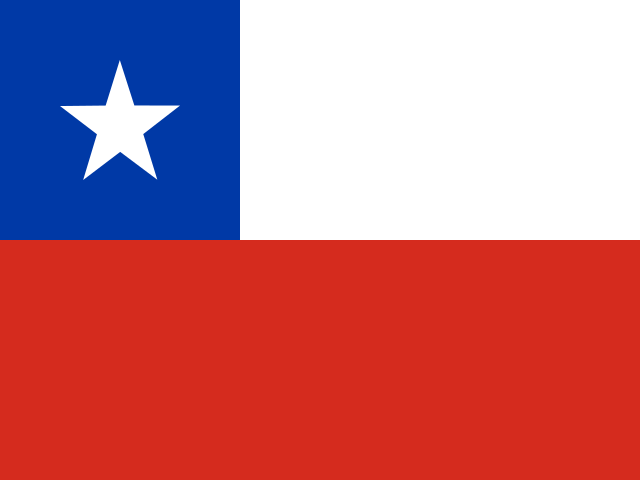
Capital Santiago Facts and notes Chile includes the Pacific island of Rapa Nui, also known as Easter Island. Its moai are large carved human figures. This heritage site is on the island, rather than in the capital Santiago. Sources
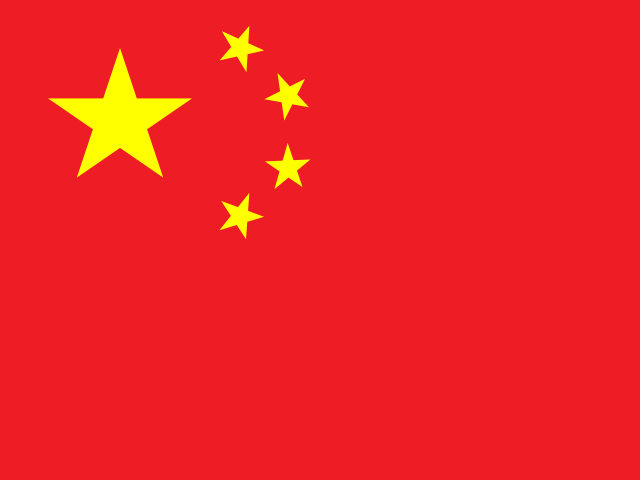
Capital Beijing Currency Chinese yuan (renminbi) CNY Facts and notes Beijing’s Forbidden City served as the centre of imperial power for more than five centuries. It is now a palace museum complex. Sources
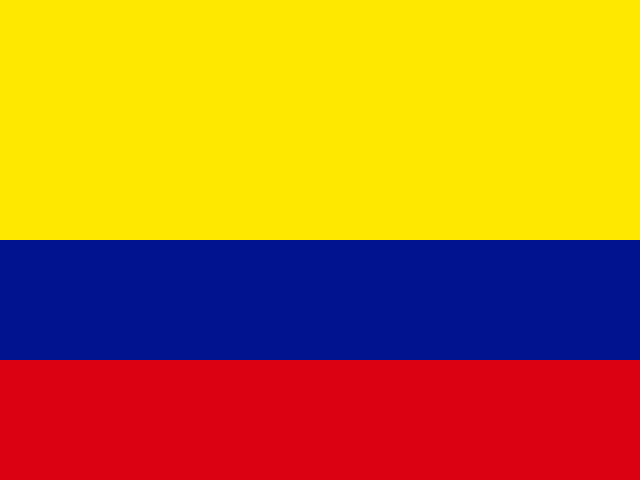
Capital Bogotá Facts and notes Bogotá became a UNESCO City of Music in 2012. Its festivals and music scene bring together traditional, popular, urban and contemporary classical styles. Sources
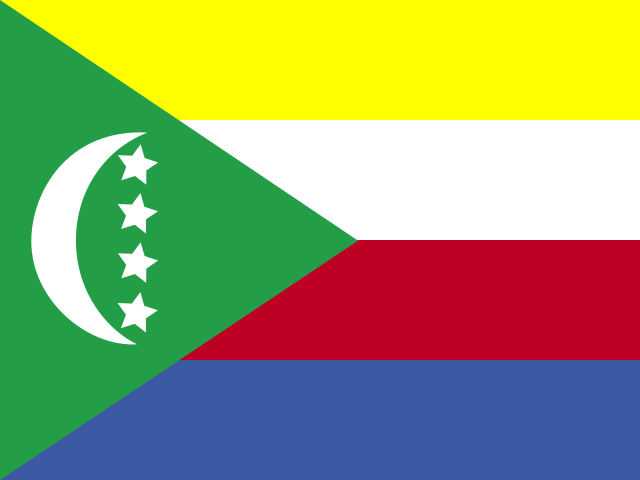
Capital Moroni Facts and notes The Comoros’ Mwali Biosphere Reserve covers the whole island of Mohéli and its surrounding marine area. Sources
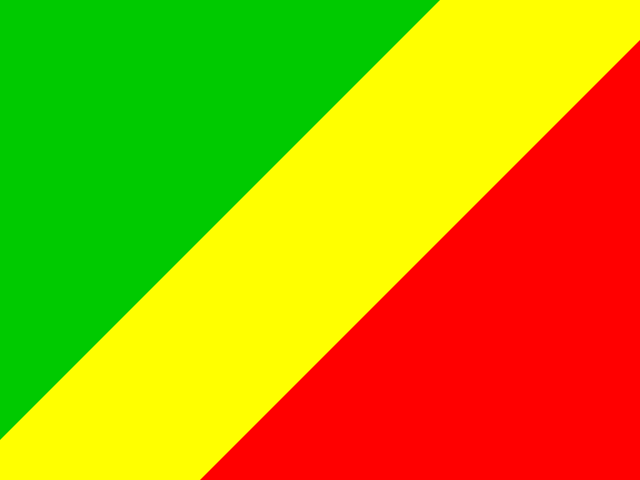
Capital Brazzaville Currency Central African CFA franc XAF Facts and notes The Sangha rainforest area crosses the borders of the Republic of the Congo, Cameroon and the Central African Republic. Sources
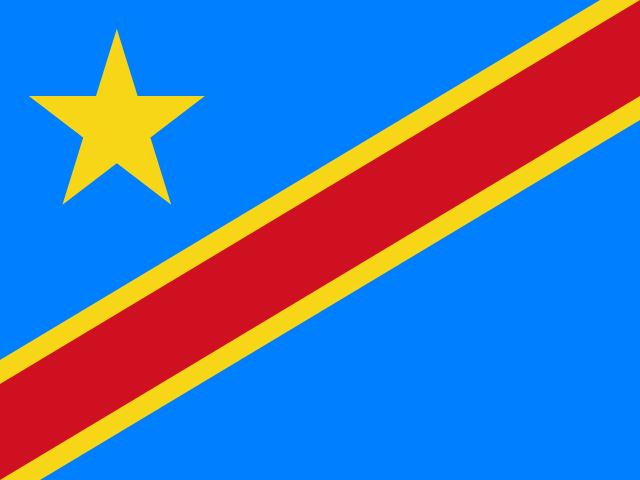
Capital Kinshasa Facts and notes Kinshasa became a UNESCO Creative City of Music in 2015. The city is closely associated with Congolese rumba. Sources
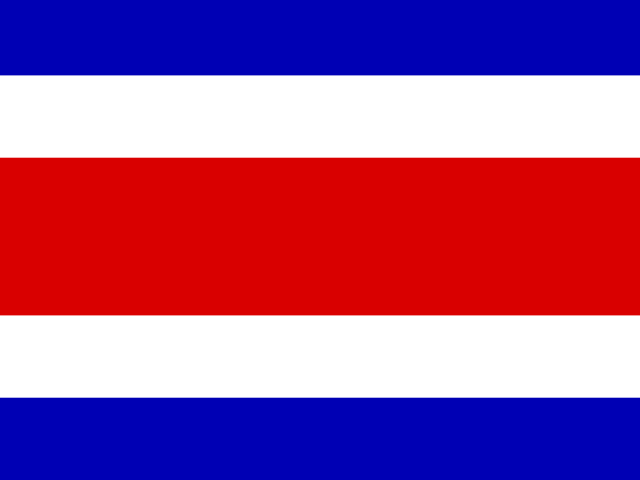
Capital San José Facts and notes The National Theatre in San José opened in 1897. The theatre hosts artistic performances and is protected as part of Costa Rica’s architectural heritage. Sources
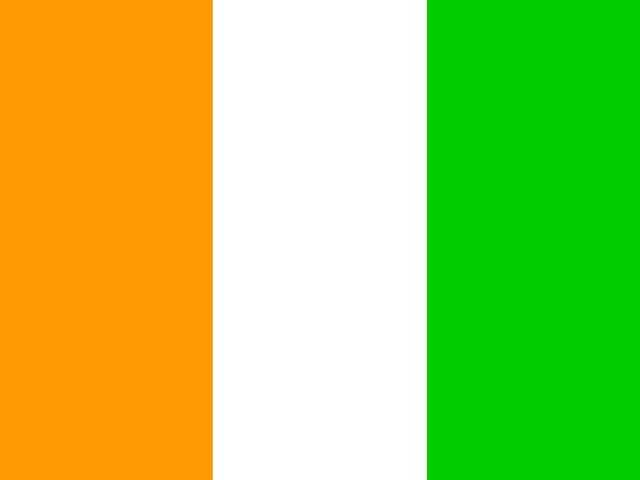
Capital Yamoussoukro Currency West African CFA franc XOF Facts and notes The quiz uses the official political capital, Yamoussoukro. Abidjan is the former capital and an important economic centre.
Yamoussoukro became Côte d’Ivoire’s political and administrative capital in 1983, taking over that role from Abidjan. Sources
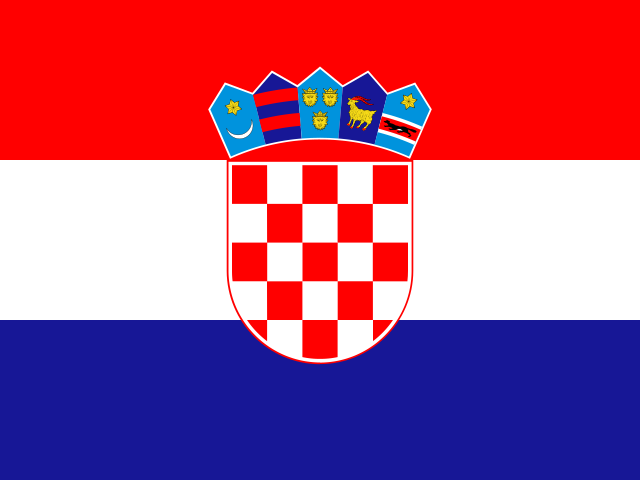
Capital Zagreb Facts and notes This country adopted the euro in 2023.
A funicular just 66 metres long links Zagreb’s Upper and Lower Towns. It began operating in 1890 and is the city’s oldest form of public transport. Sources
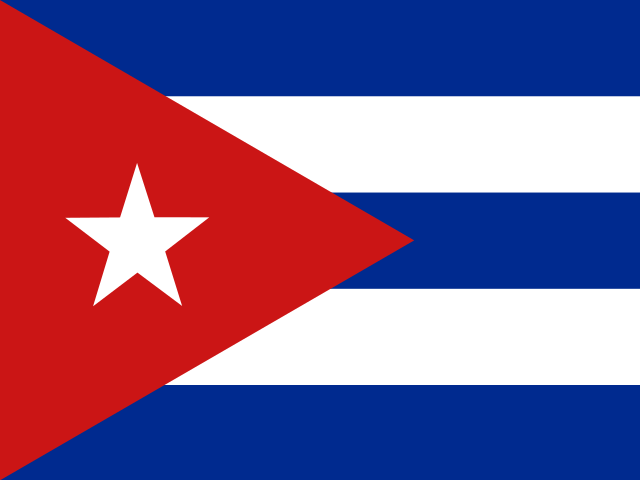
Capital Havana Facts and notes Old Havana preserves the history of a port protected by major fortifications. Its squares and streets bring together Baroque and Neoclassical buildings. Sources
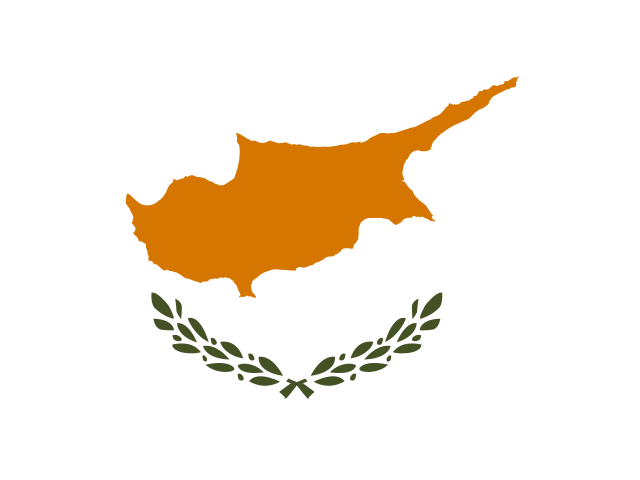
Capital Nicosia Facts and notes This country adopted the euro in 2008.
Nicosia’s old city is surrounded by defensive walls built by the Venetians in the 16th century. Eleven heart-shaped bastions strengthen this circular fortification. Sources
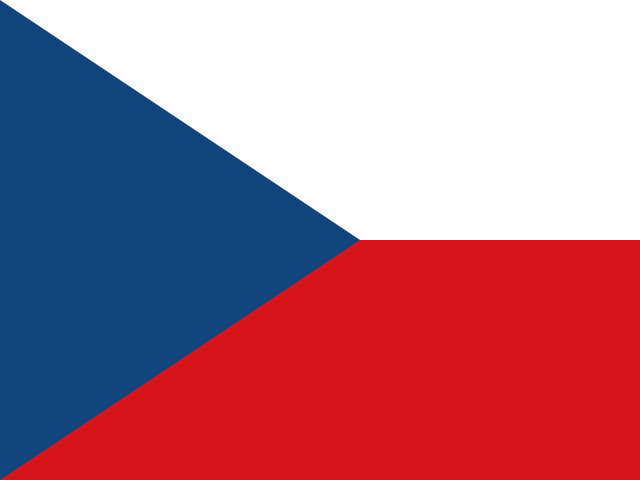
Capital Prague Facts and notes The astronomical clock at Prague’s Old Town Hall dates back to 1410. Figures of the twelve apostles appear in its mechanical display. Sources
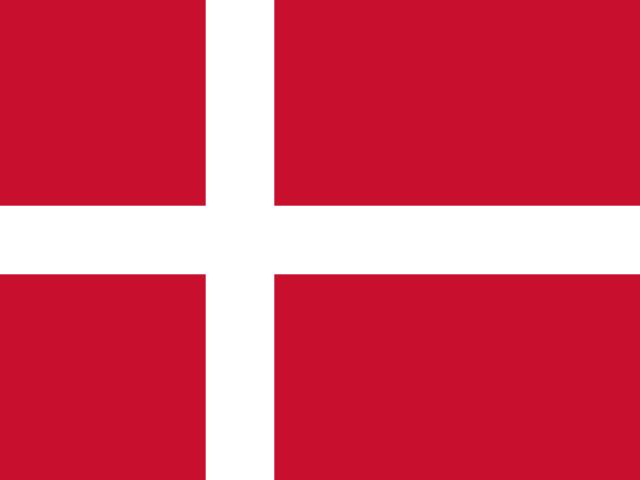
Capital Copenhagen Facts and notes Copenhagen’s Little Mermaid statue was unveiled in 1913, inspired by Hans Christian Andersen’s fairy tale. Sources
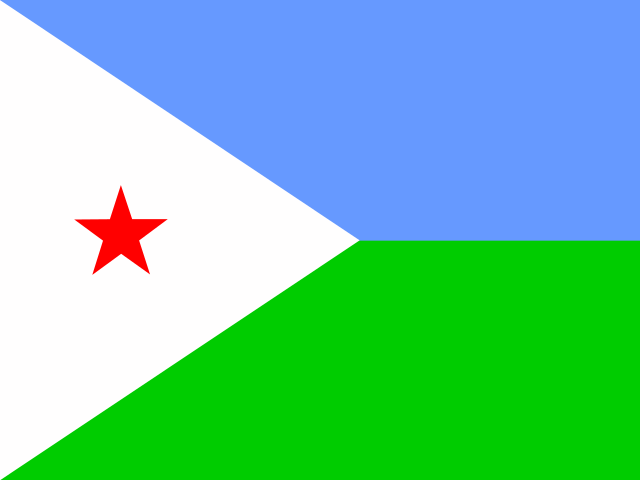
Capital Djibouti Facts and notes Djibouti’s salty Lake Assal lies around 153 metres below sea level, at Africa’s lowest point. Sources
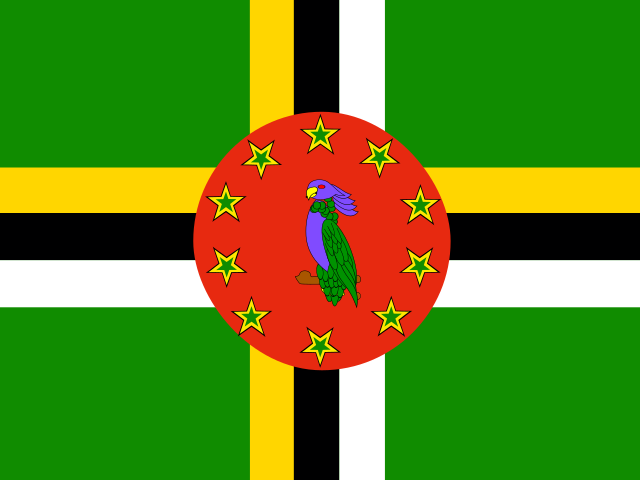
Capital Roseau Currency East Caribbean Dollar XCD Facts and notes Dominica’s Morne Trois Pitons National Park has a volcanic landscape. It includes Boiling Lake, a hot lake heated by volcanic activity. This is a country fact, rather than a site in the capital Roseau. Sources
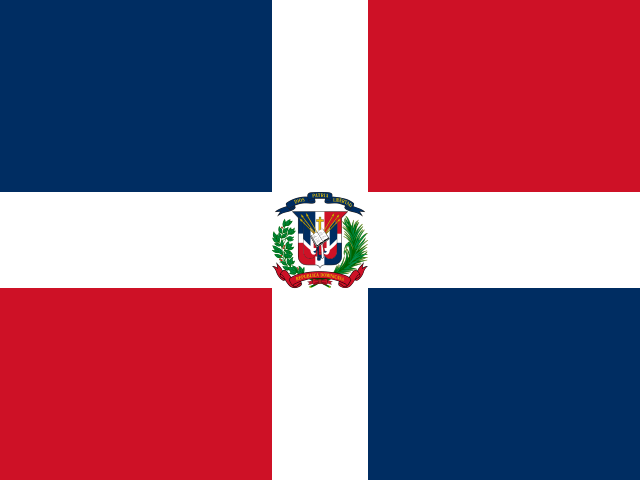
Capital Santo Domingo Facts and notes Santo Domingo’s Colonial City has a historic grid of streets and blocks. Its cathedral, hospital and other early colonial buildings reflect the city’s role in the history of Spanish colonisation. Sources
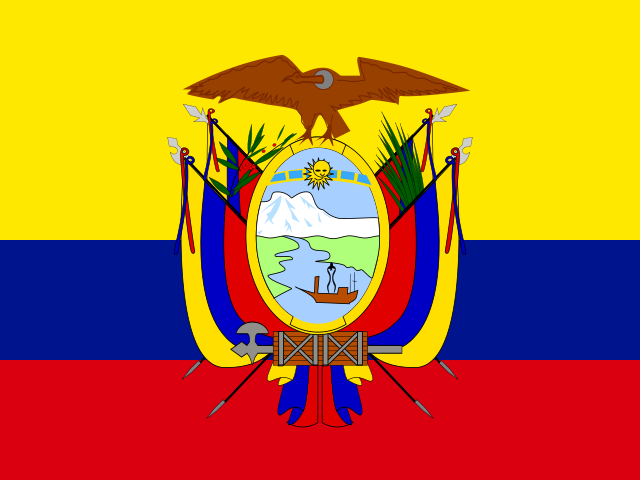
Capital Quito Facts and notes Ecuador’s capital Quito stands in the Andes at about 2,850 metres above sea level. Its historic centre combines local and European craftsmanship, with many surviving churches and monasteries. Sources
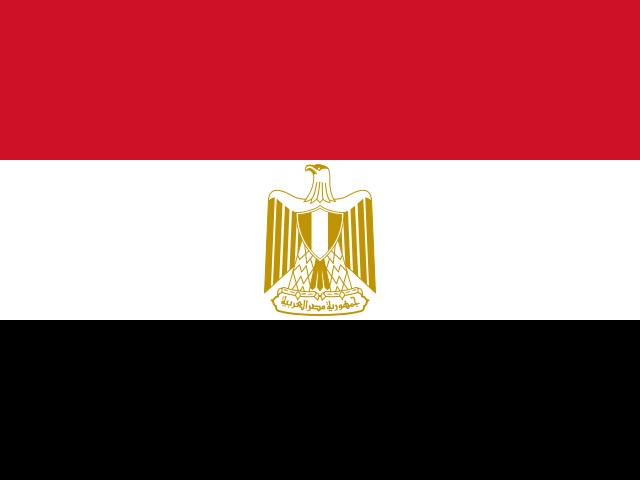
Capital Cairo Facts and notes The quiz uses Cairo as the official capital, as listed by Egypt’s State Information Service and UNESCO. The New Capital houses the government and ministries, a separate administrative role.
Historic Islamic Cairo developed from the 10th century. Its mosques, schools and old bathhouses survive within the modern metropolis. Sources
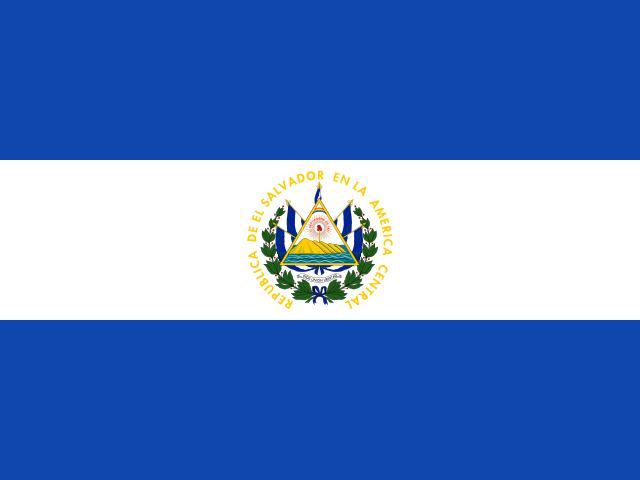
Capital San Salvador Facts and notes The US dollar is used for everyday payments. The colón (SVC) remains in the ISO list but is not shown here as an everyday cash currency. Under the 2025 amended law, bitcoin acceptance is voluntary; bitcoin has no ISO 4217 currency code.
El Salvador’s Joya de Cerén settlement was preserved beneath volcanic ash. Archaeologists study the everyday lives of its farming community. The site lies outside the capital San Salvador. Sources
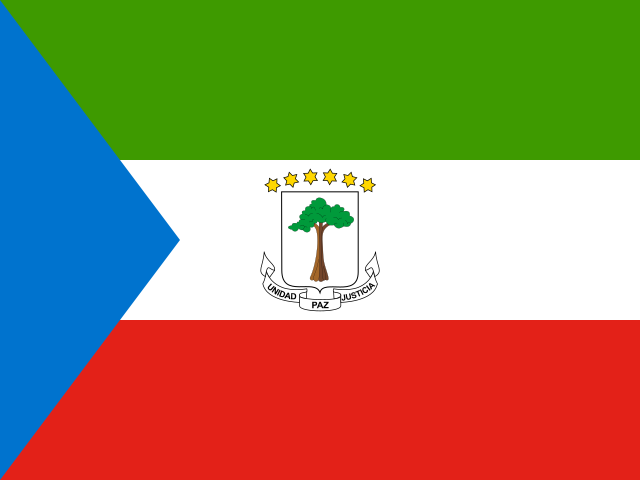
Capital Ciudad de la Paz Currency Central African CFA franc XAF Facts and notes We use the capital officially declared on 2026-01-02. Malabo, on Bioko island, is the former capital; the new capital is on the mainland.
On 2 January 2026, Ciudad de la Paz was declared Equatorial Guinea’s capital. Its Spanish name means City of Peace. Sources
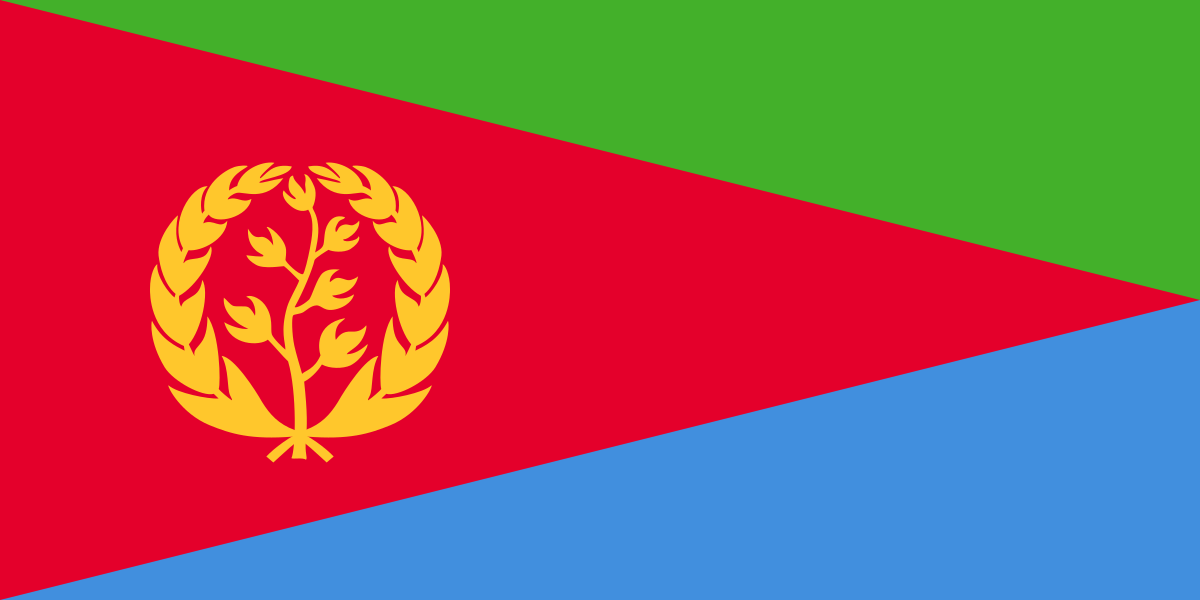
Capital Asmara Facts and notes Asmara stands more than 2,000 metres above sea level. Its early-20th-century modernist architecture is UNESCO World Heritage. Sources
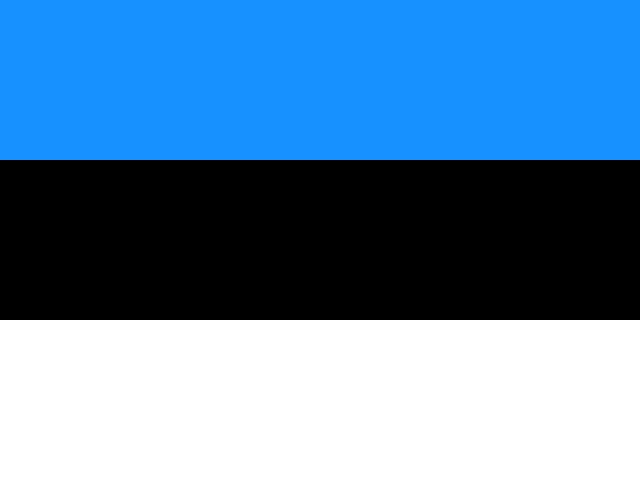
Capital Tallinn Facts and notes This country adopted the euro in 2011.
Tallinn’s old town combines the upper town on a hill with the lower merchants’ town at its foot. Sources
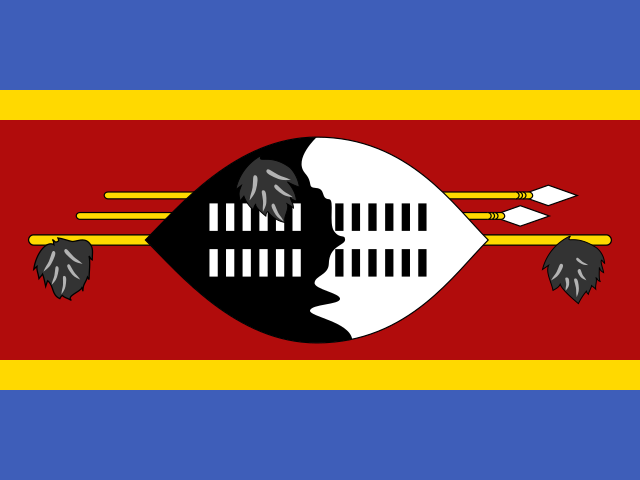
Capital Mbabane Currency Swazi Lilangeni SZL South African rand ZAR Facts and notes This game asks for the administrative capital, Mbabane. Lobamba is the royal and legislative capital and houses Parliament.
The national currency is the lilangeni. The South African rand is also legal tender.
Lobamba houses Eswatini’s Parliament and National Museum. It is a centre of royal traditions alongside the administrative capital, Mbabane. Sources
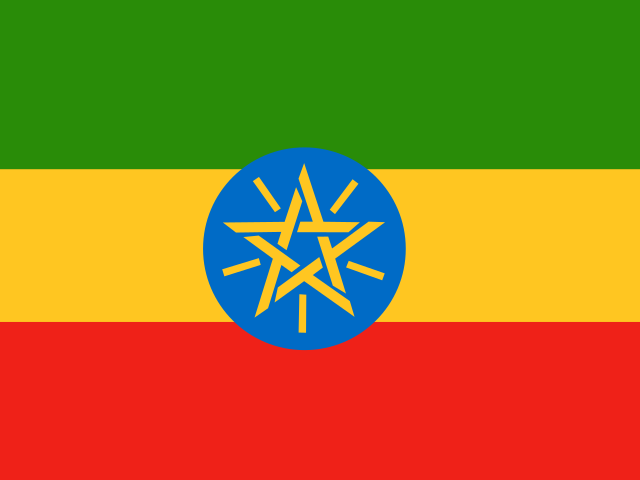
Capital Addis Ababa Facts and notes Addis Ababa hosts the African Union’s headquarters. Its predecessor, the Organisation of African Unity, was founded here in 1963. Sources
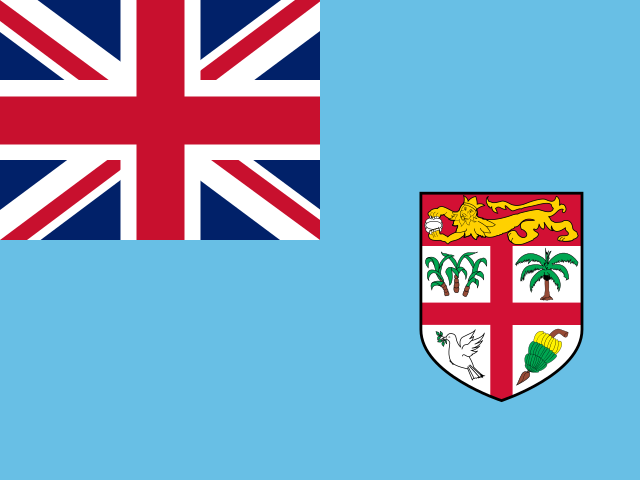
Capital Suva Facts and notes Fiji’s capital moved from Levuka to Suva in 1882. The former capital and port town of Levuka is now a UNESCO World Heritage site. Sources
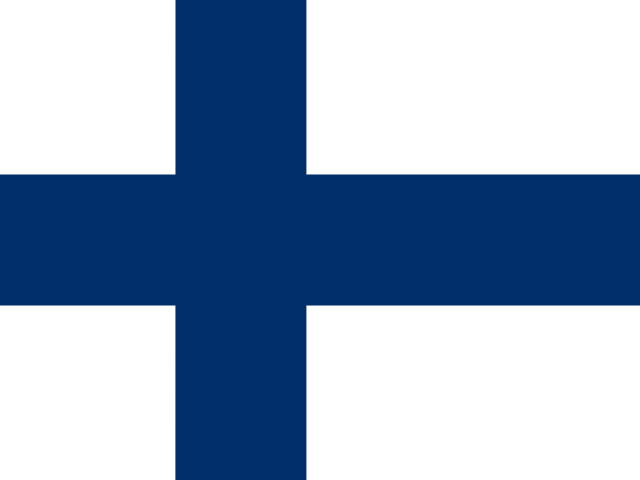
Capital Helsinki Facts and notes This country adopted the euro in 1999. Euro notes and coins followed in 2002.
The cathedral, Government Palace, main university building and National Library around Helsinki’s Senate Square were designed by the same architect, Carl Ludvig Engel. Sources
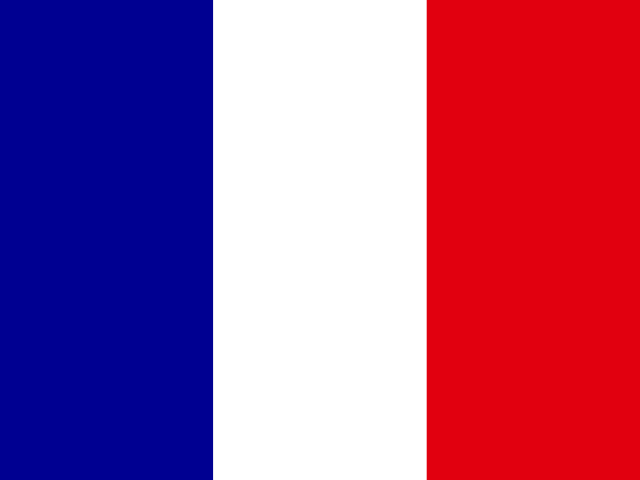
Capital Paris Facts and notes This country adopted the euro in 1999. Euro notes and coins followed in 2002.
Pont Neuf means “New Bridge”, even though it is the oldest surviving bridge in Paris. Sources
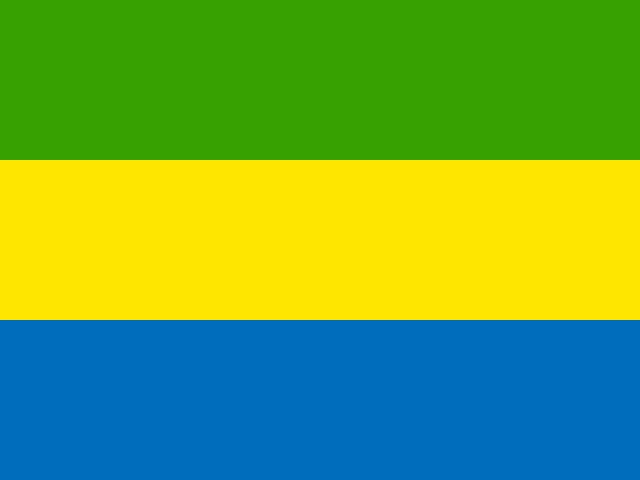
Capital Libreville Currency Central African CFA franc XAF Facts and notes Gabon’s Lopé-Okanda landscape brings tropical forest together with ancient savannah, alongside surviving rock engravings. Sources
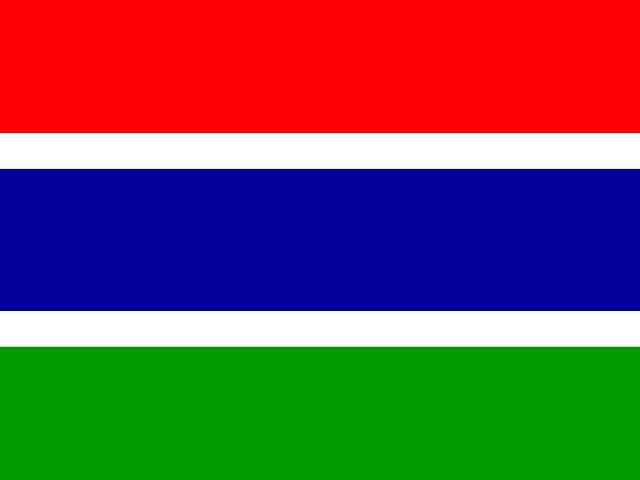
Capital Banjul Facts and notes Kunta Kinteh Island on the River Gambia preserves evidence of the history of the slave trade and its abolition. Sources
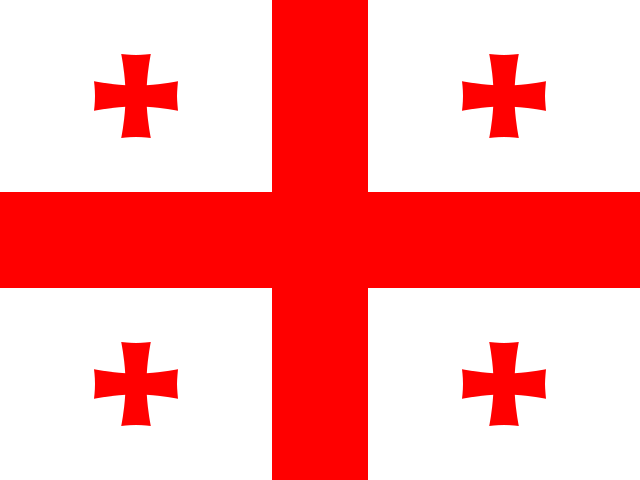
Capital Tbilisi Facts and notes Tbilisi’s name is linked to the Georgian word “tbili”, meaning “warm”. The city’s Abanotubani district is known for bathhouses supplied by natural hot sulphur springs. Sources
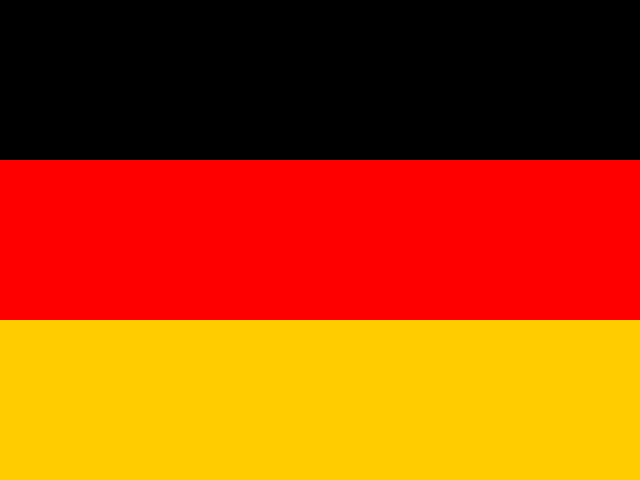
Capital Berlin Facts and notes This country adopted the euro in 1999. Euro notes and coins followed in 2002.
Napoleon took the four-horse sculpture from the Brandenburg Gate to Paris; it returned to Berlin in 1814. Sources
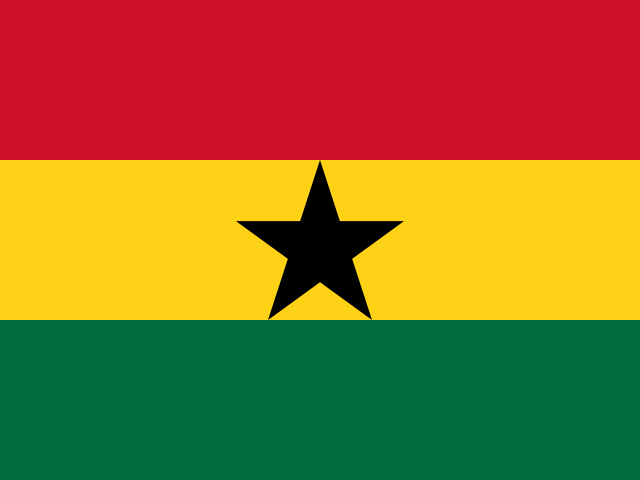
Capital Accra Facts and notes Ghana’s coastal forts and castles, including buildings in Accra, preserve several centuries of trading and colonial history. Sources
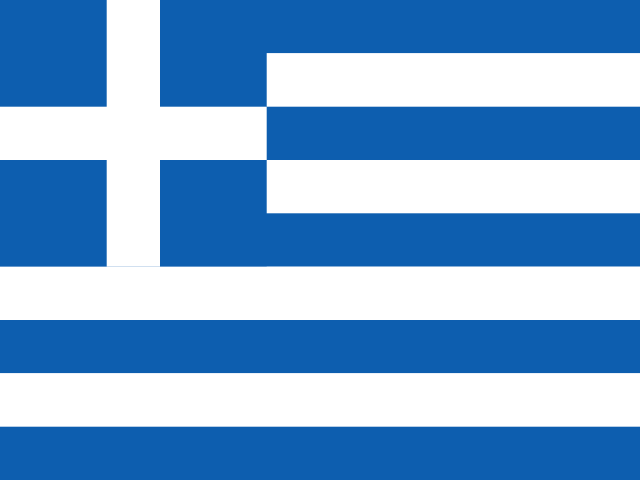
Capital Athens Facts and notes This country adopted the euro in 2001. Euro notes and coins followed in 2002.
The Parthenon stands on Athens’ rocky Acropolis hill and was built in the 5th century BC. The temple was dedicated to Athena, the city’s patron goddess. Sources
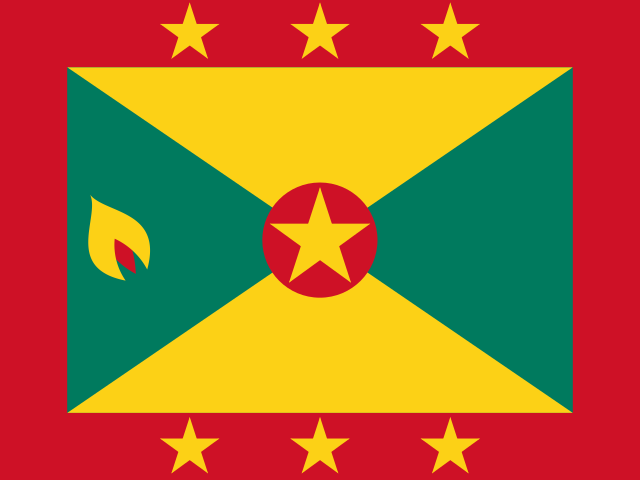
Capital St. George’s Currency East Caribbean Dollar XCD Facts and notes Historic buildings line the Carenage harbour in St. George’s. Fort George stands on the high ground between the harbour and the open sea, overlooking the town and coast. Sources
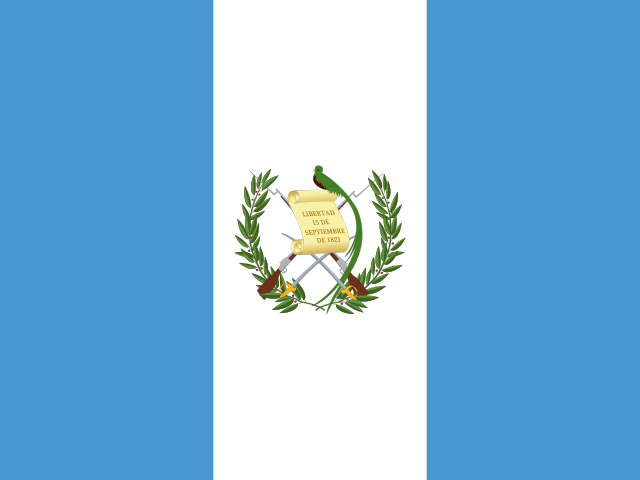
Capital Guatemala City Facts and notes Before the present capital, Antigua Guatemala was the country’s major colonial city. Earthquakes badly damaged it in 1773. The old city and its Baroque buildings are a separate place from today’s capital. Sources
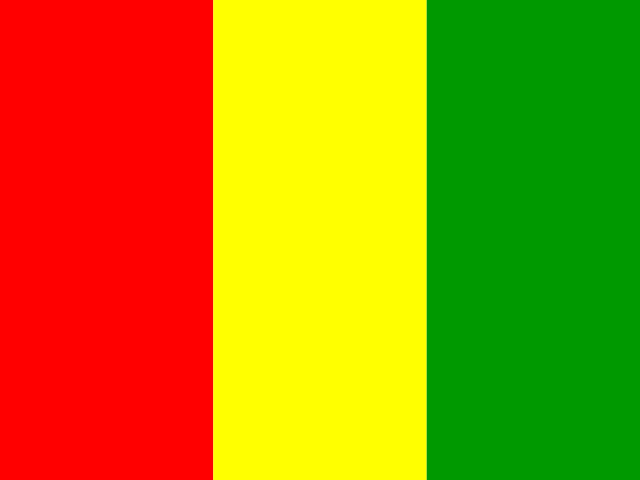
Capital Conakry Facts and notes The protected Mount Nimba area in Guinea and Côte d’Ivoire rises above the savannah and shelters many locally endemic species. Sources
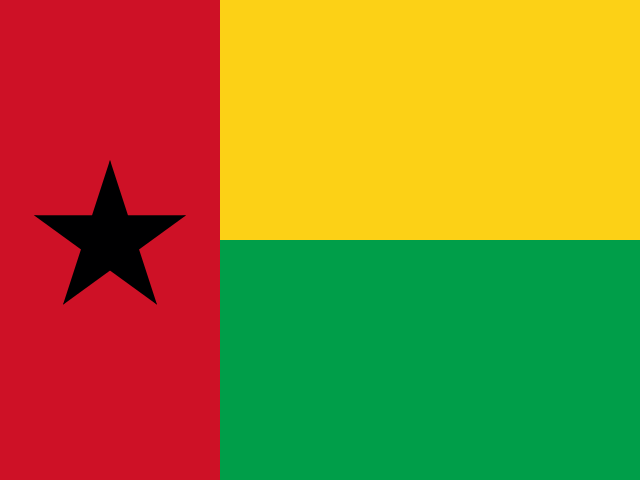
Capital Bissau Currency West African CFA franc XOF Facts and notes Guinea-Bissau’s Bolama-Bijagós Biosphere Reserve encompasses an archipelago of 88 islands off the Atlantic coast. Sources
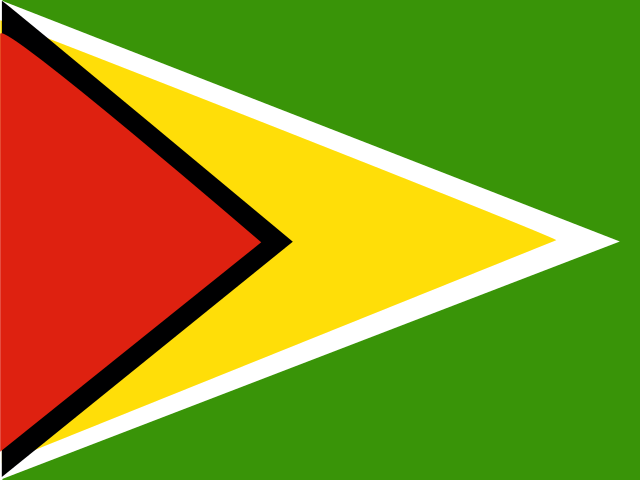
Capital Georgetown Facts and notes St George’s Cathedral in Georgetown is a Gothic Revival building more than 40 metres tall. The present cathedral was consecrated in 1894 and designated a National Monument in 2001. Sources
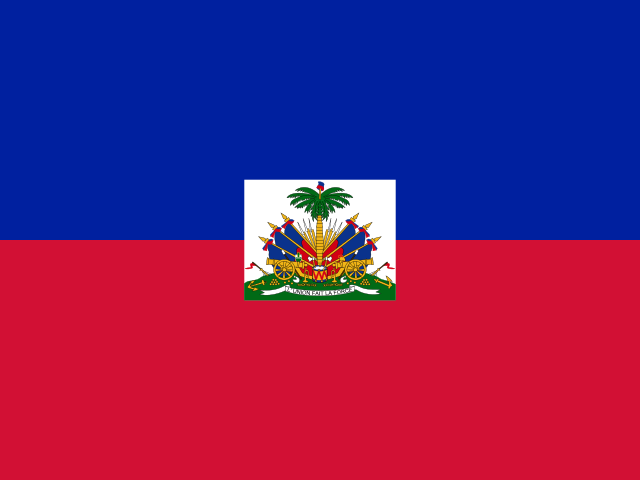
Capital Port-au-Prince Currency Haitian Gourde HTG US dollar USD Facts and notes The ISO list records both the gourde and US dollar for Haiti. The national currency is the gourde.
Northern Haiti preserves the Citadelle, Sans-Souci and Ramiers complexes, built in the early 19th century after independence. They recall the early Haitian state and are not located in the capital Port-au-Prince. Sources
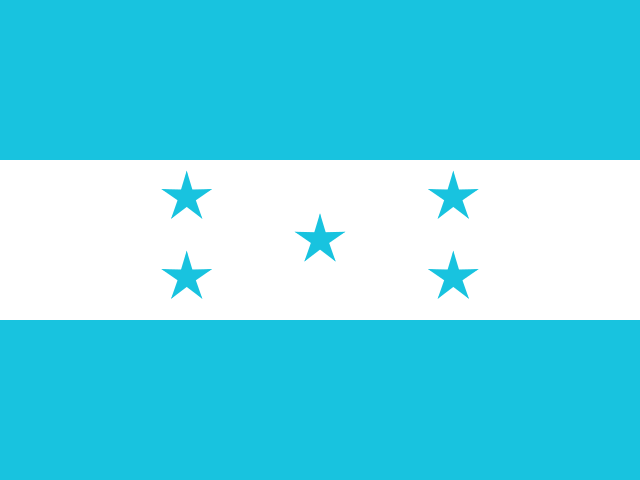
Capital Tegucigalpa Facts and notes Tegucigalpa is the usual short form in capital lists. Article 8 of Honduras’s Constitution states that Tegucigalpa and Comayagüela jointly constitute the capital. This quiz uses the conventional short form: Tegucigalpa.
Honduras’s archaeological site of Copán preserves buildings and sculptures from a Maya city. Its Hieroglyphic Stairway is especially well known. Copán lies outside the capital Tegucigalpa. Sources
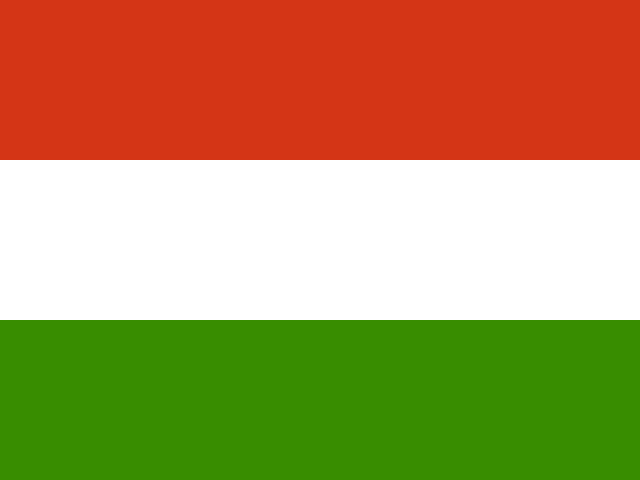
Capital Budapest Facts and notes Budapest was formed in 1873 by joining three towns: Buda, Óbuda and Pest. Buda and Pest grew on opposite banks of the Danube. Sources
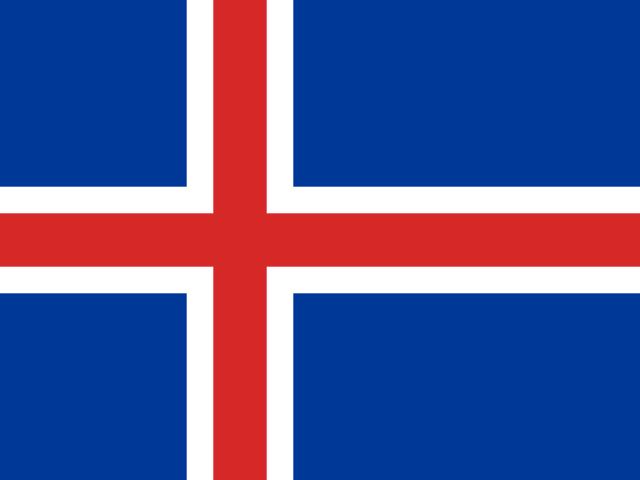
Capital Reykjavík Facts and notes Reykjavík means “smoky bay”, a name linked to the steam rising from local hot springs. Sources
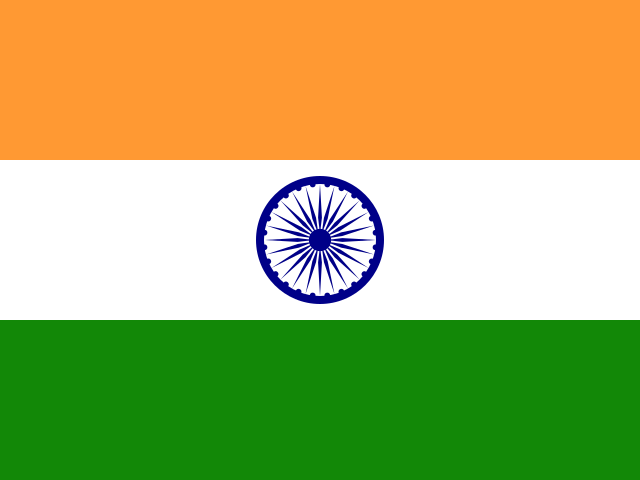
Capital New Delhi Facts and notes New Delhi is part of the wider city of Delhi. Delhi’s red-sandstone Qutb Minar rises 72.5 metres and dates from the early thirteenth century. Sources
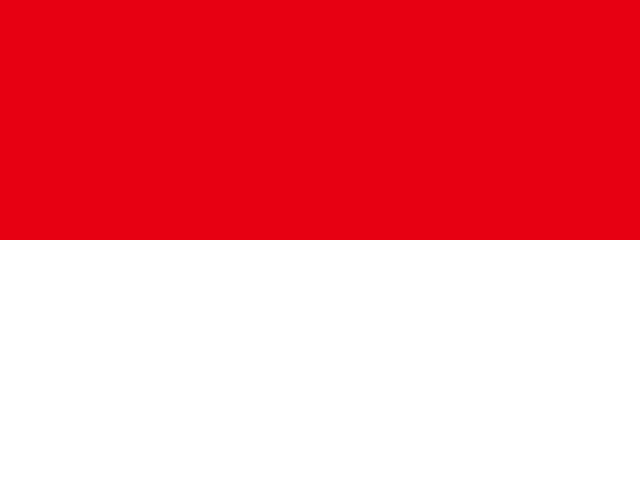
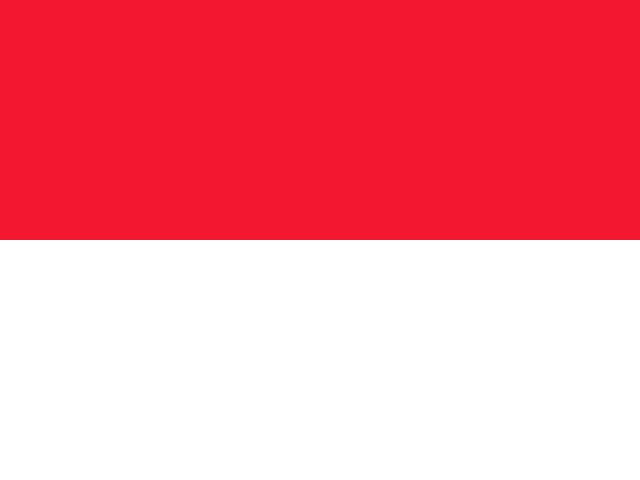
Capital pending formal transfer Jakarta Facts and notes The May 2026 Constitutional Court ruling makes the formal move to Nusantara dependent on a presidential decree. This reviewed set uses Jakarta and does not treat construction as a completed legal transfer.
Indonesia is developing Nusantara as a new capital. The legal transfer from Jakarta depends on a separate presidential decree; construction and a formal capital transfer are different steps. Sources
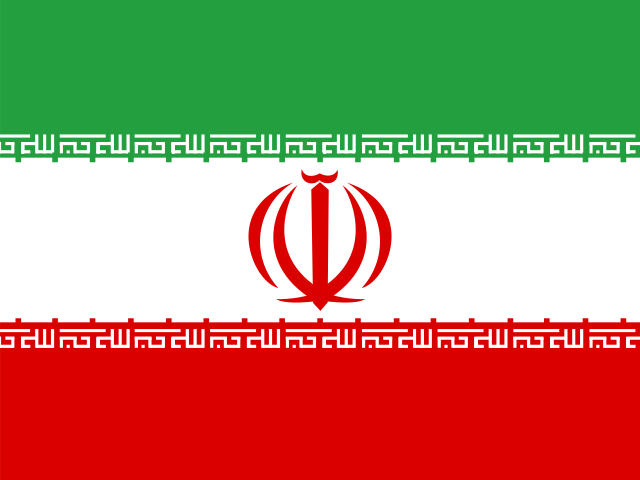
Capital Tehran Facts and notes Tehran’s Golestan Palace was a seat of Qajar rule. Its architecture combines Persian craftsmanship with European influences. Sources
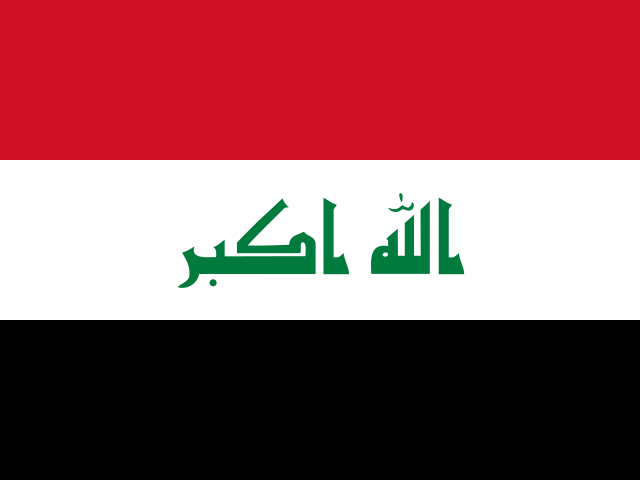
Capital Baghdad Facts and notes Baghdad joined UNESCO’s Creative Cities Network for literature in 2015, recognizing the city’s connections with writing, poetry and publishing. Sources
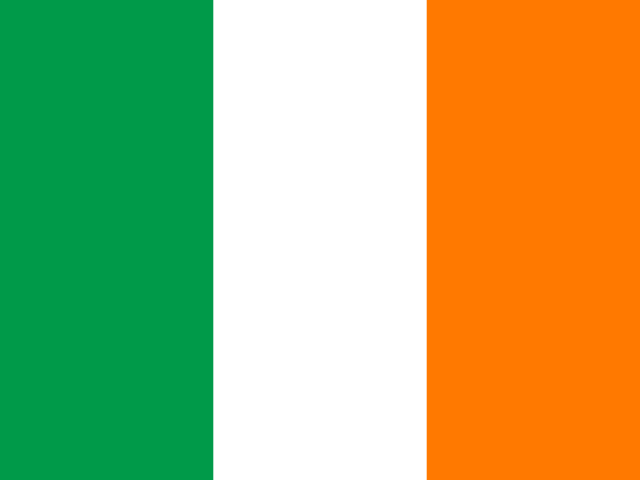
Capital Dublin Facts and notes This country adopted the euro in 1999. Euro notes and coins followed in 2002.
Dublin became a UNESCO City of Literature in 2010; even its bridges and streets carry writers’ names. Sources
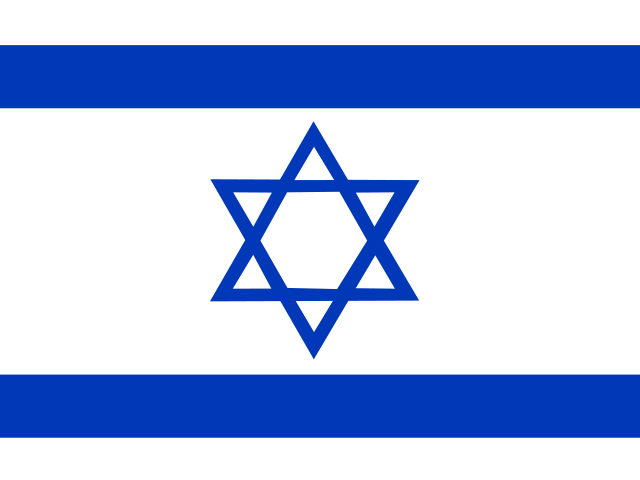
Declared capital Jerusalem Facts and notes Israel declares Jerusalem its capital. The city’s status is disputed; this answer does not assert international recognition of sovereignty. The UN treats East Jerusalem’s status separately.
Jerusalem’s Old City contains important Jewish, Christian and Islamic heritage. The city’s disputed political status is explained separately. Sources
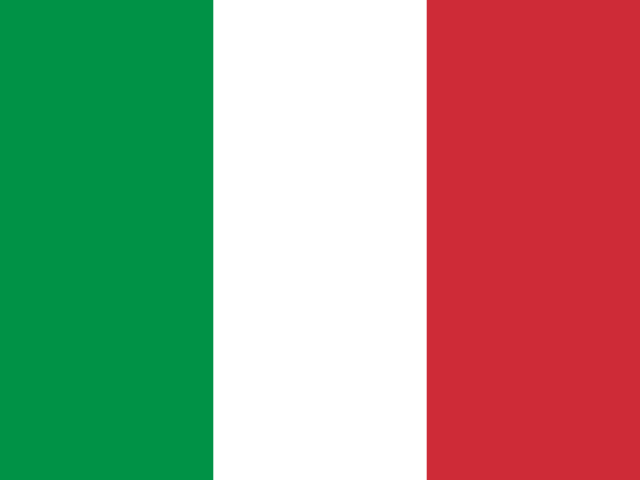
Capital Rome Facts and notes This country adopted the euro in 1999. Euro notes and coins followed in 2002.
Rome’s Pantheon has an opening almost 9 metres wide in its dome, letting daylight and rain into the building. Sources
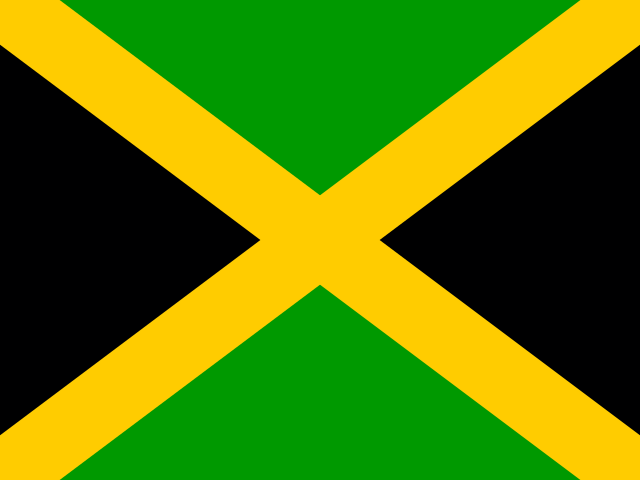
Capital Kingston Facts and notes Kingston became a UNESCO City of Music in 2015. The city is closely associated with reggae and Jamaica’s recording-studio culture. Sources
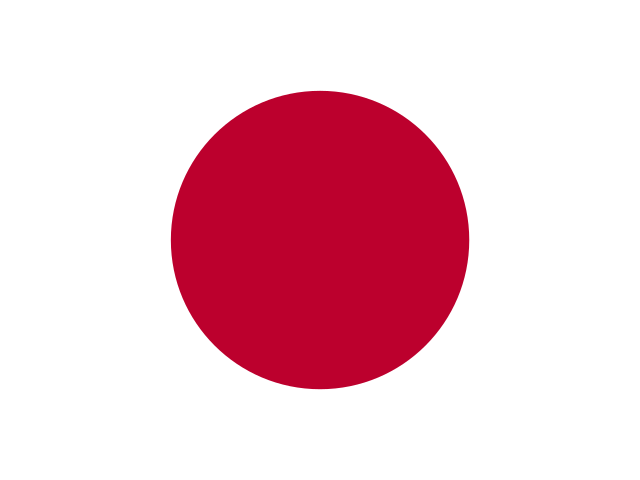
Capital Tokyo Facts and notes Tokyo was previously called Edo. The city received its present name in 1868 as Japan’s centre of government changed. Sources
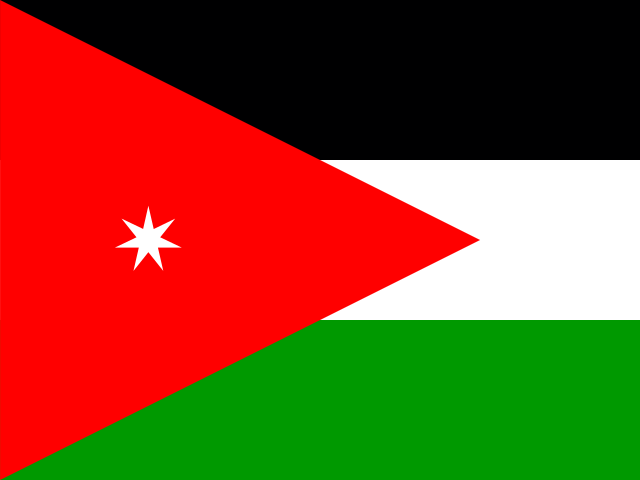
Capital Amman Facts and notes Jordan’s flag carries a seven-pointed star in its red triangle. Official descriptions connect it with the seven verses of the opening chapter of the Quran. Sources
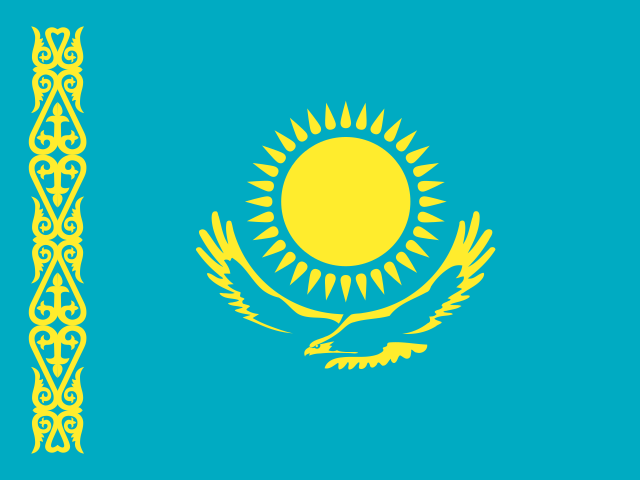
Capital Astana Facts and notes The capital’s name was restored to Astana in 2022; it had previously been called Nur-Sultan.
Astana’s Bayterek monument takes its symbolism from the Tree of Life. Its observation deck offers a view over the city from above. Sources
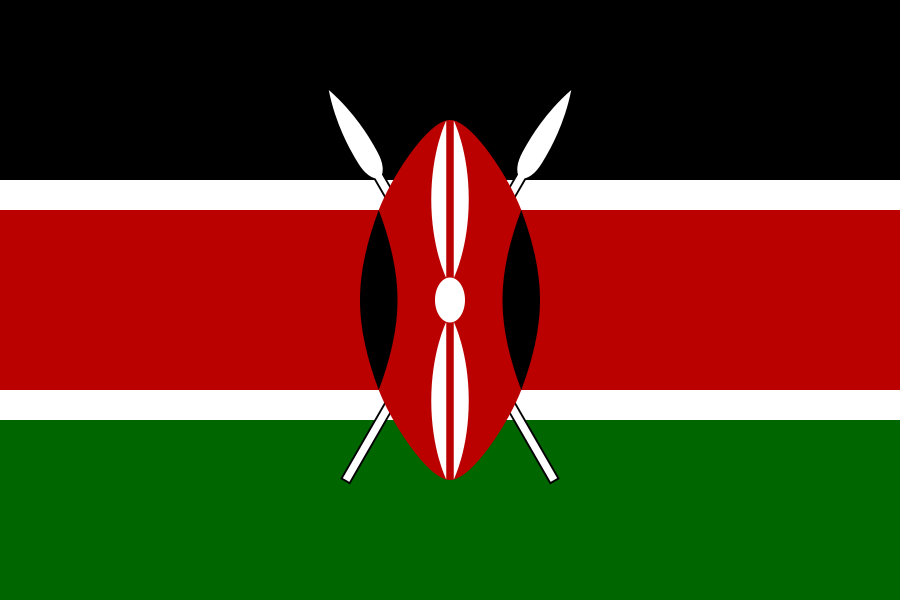
Capital Nairobi Facts and notes Nairobi is one of the UN’s four major duty stations and hosts the headquarters of UNEP and UN-Habitat. Sources
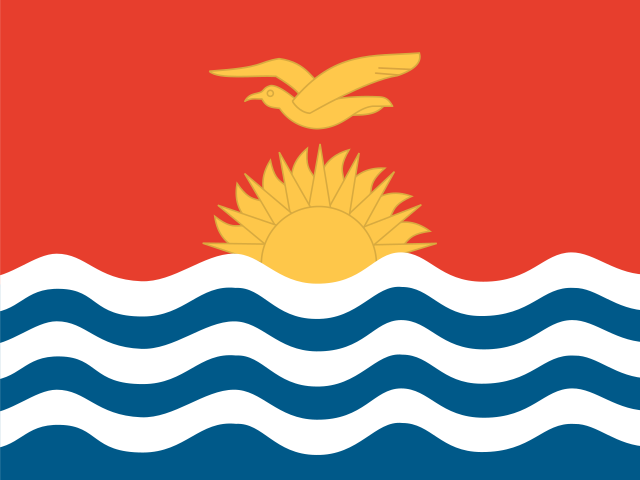
Capital South Tarawa Facts and notes Tarawa is an atoll; South Tarawa is its southern urban and administrative area. Shorter capital lists often use simply Tarawa.
Kiribati’s administration is spread across South Tarawa: ministries are in Betio, Bairiki and Bikenibeu, while Parliament is in Ambo. Sources
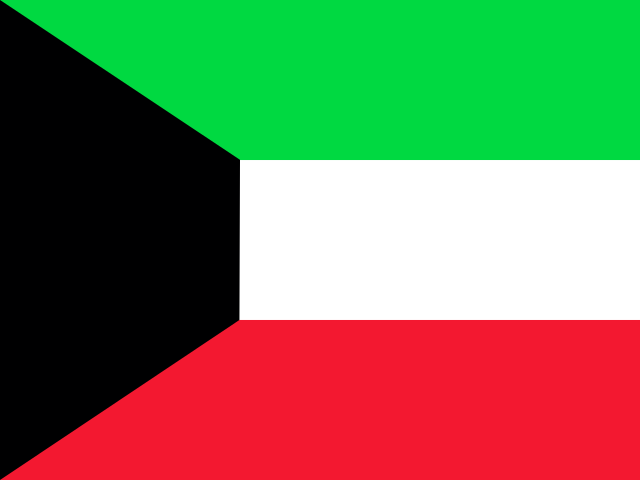
Capital Kuwait City Facts and notes Kuwait City shares its name with the country. The present national flag was adopted in 1961, the year the British protectorate ended. Sources
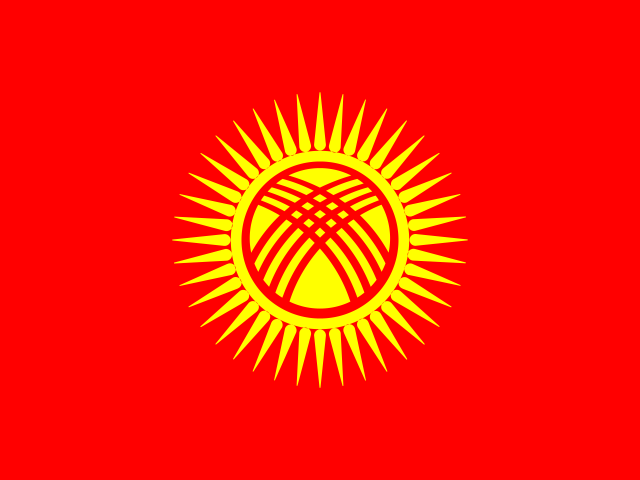
Capital Bishkek Facts and notes The sun on Kyrgyzstan’s flag contains a tunduk, the circular crown of a yurt roof. The symbol recalls a traditional nomadic home. Sources
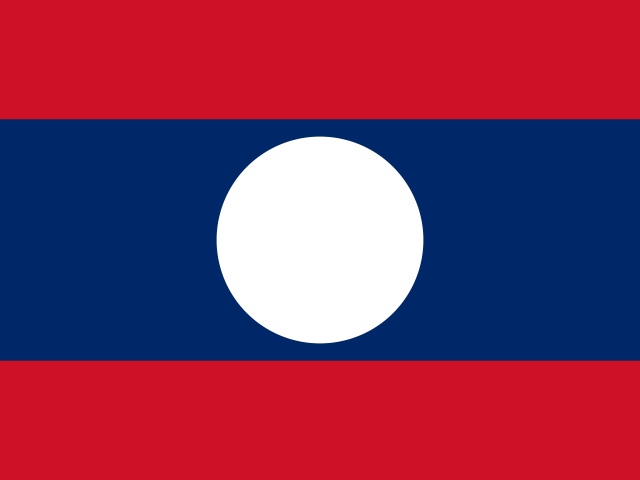
Capital Vientiane Facts and notes Laos’s flag has a white disc on a blue stripe between two red stripes. This is a useful contrast with Japan’s red disc on white. Sources
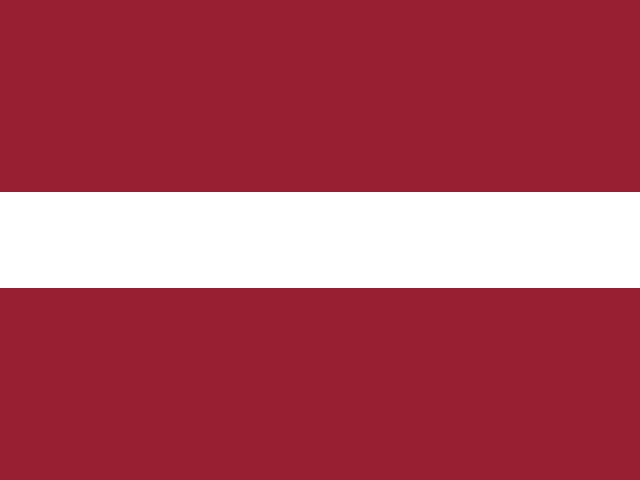
Capital Riga Facts and notes This country adopted the euro in 2014.
Riga’s historic centre is famous for its richly decorated Art Nouveau buildings. Sources
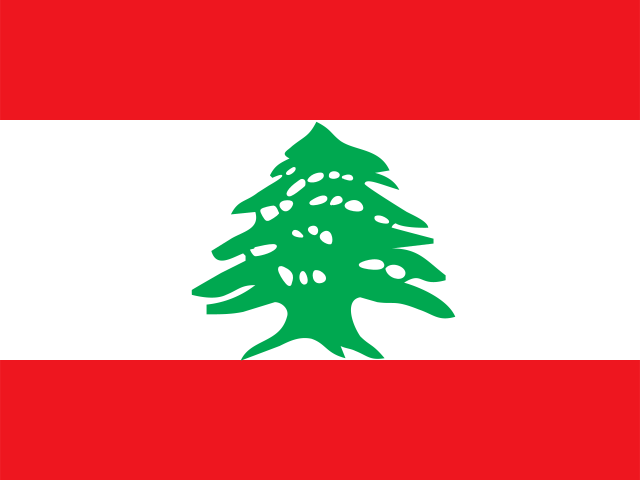
Capital Beirut Facts and notes Beirut was UNESCO World Book Capital in 2009. The city has a long tradition of writing, printing and distributing books. Sources
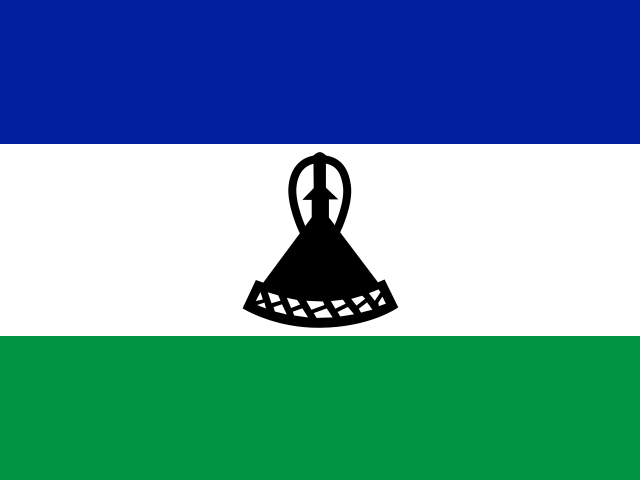
Capital Maseru Currency Lesotho Loti LSL South African rand ZAR Facts and notes The Lesotho loti and South African rand are used alongside one another; both appear in the country’s ISO currency entry.
Lesotho and South Africa share the Maloti-Drakensberg Park, whose caves preserve rock paintings by the San people. Sources
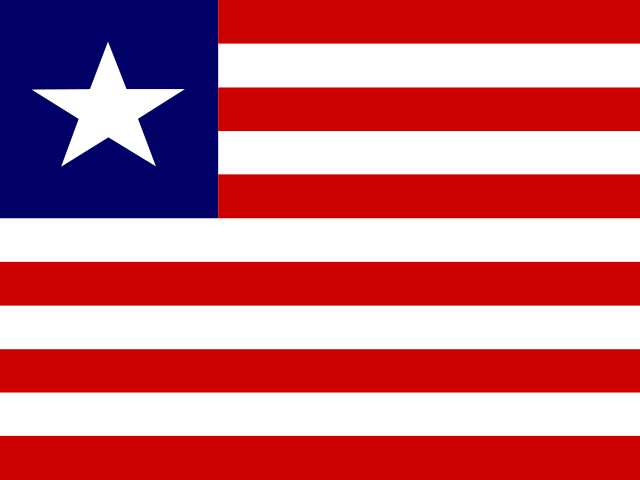
Capital Monrovia Currency Liberian Dollar LRD US dollar USD Facts and notes Both the Liberian dollar and the US dollar are legal tender in Liberia; they are two different currencies.
Liberia is a founding member of the United Nations, having signed the UN Charter in 1945 alongside the organisation’s original members. Sources
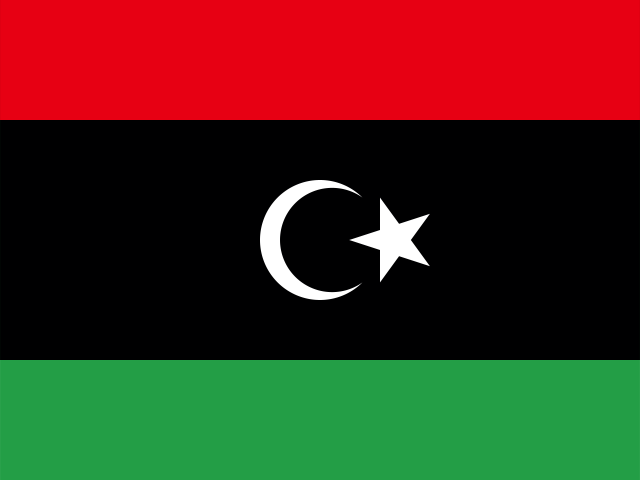
Capital Tripoli Facts and notes Libya’s Leptis Magna was a Roman city enlarged by Septimius Severus, who was born there and later became emperor. Sources
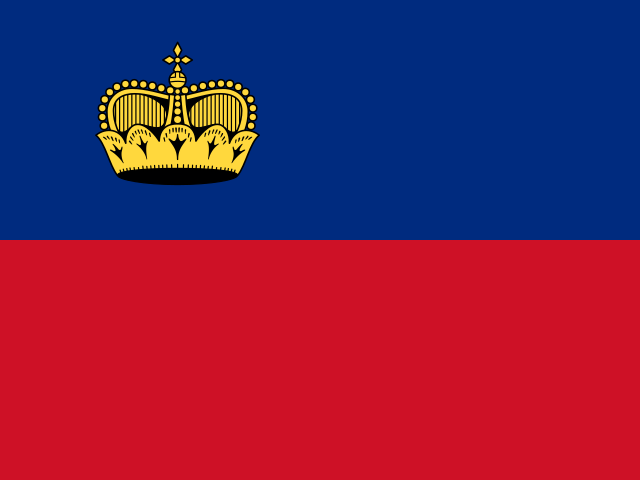
Capital Vaduz Facts and notes The castle above Vaduz is both a symbol of the town and the permanent residence of Liechtenstein’s princely family. Sources
Capital Vilnius Facts and notes This country adopted the euro in 2015.
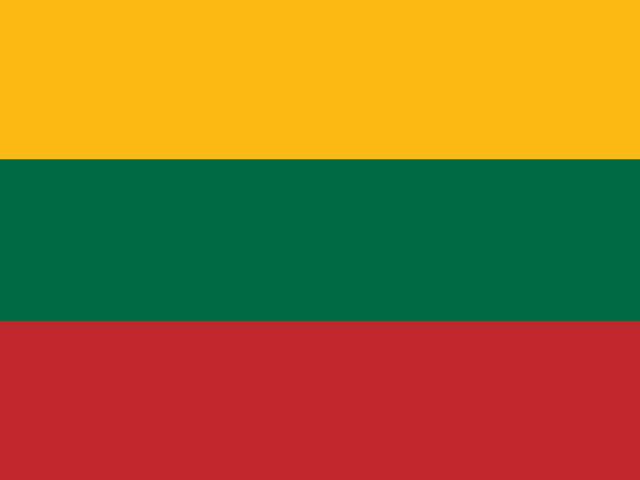
Vilnius appears in written records in 1323, when it was already the capital of the Grand Duchy of Lithuania. Sources
Capital Luxembourg Facts and notes This country adopted the euro in 1999. Euro notes and coins followed in 2002.
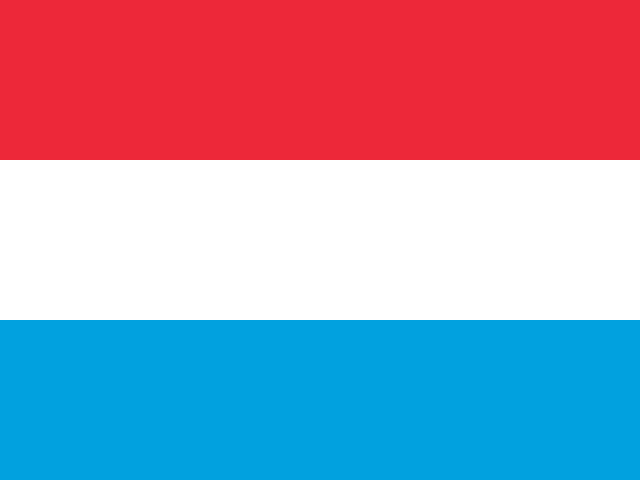
Luxembourg’s old town grew on a steep rocky outcrop by the meeting of the Alzette and Pétrusse rivers, giving it natural defences. Sources
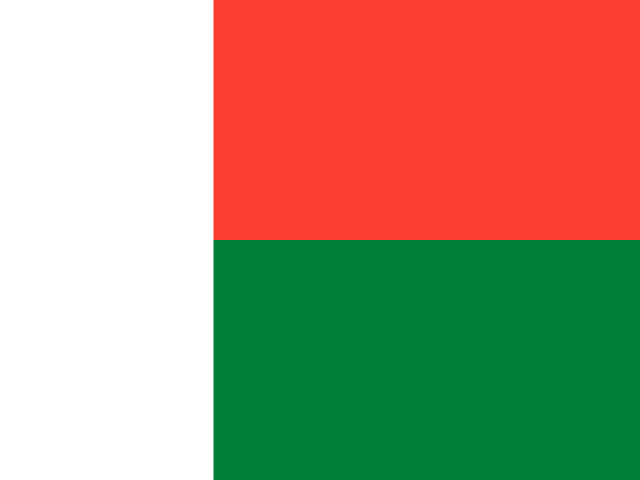
Capital Antananarivo Facts and notes Madagascar’s Royal Hill of Ambohimanga preserves a former royal city, burial places and sacred sites. Sources
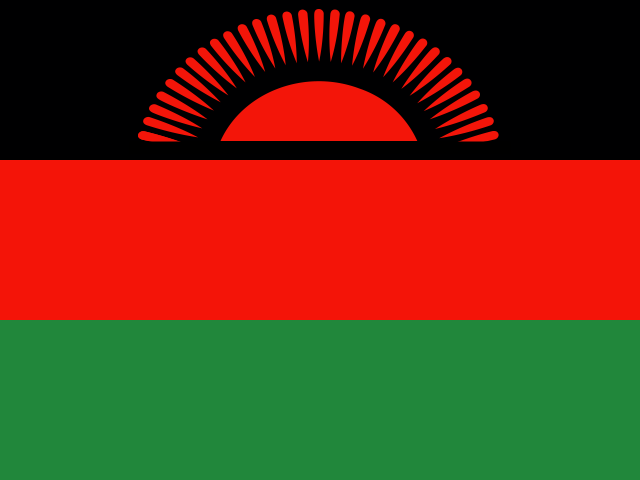
Capital Lilongwe Facts and notes Lake Malawi National Park shelters hundreds of fish species, many of which are found nowhere else. Sources
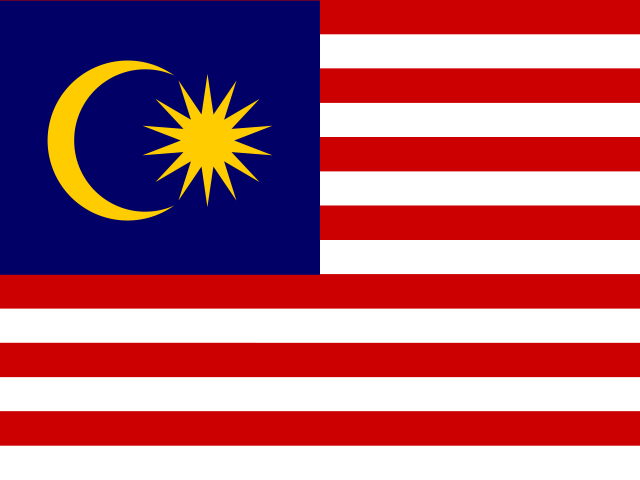
Capital Kuala Lumpur Facts and notes Kuala Lumpur was UNESCO World Book Capital in 2020. The year-long title promotes books and reading. Sources
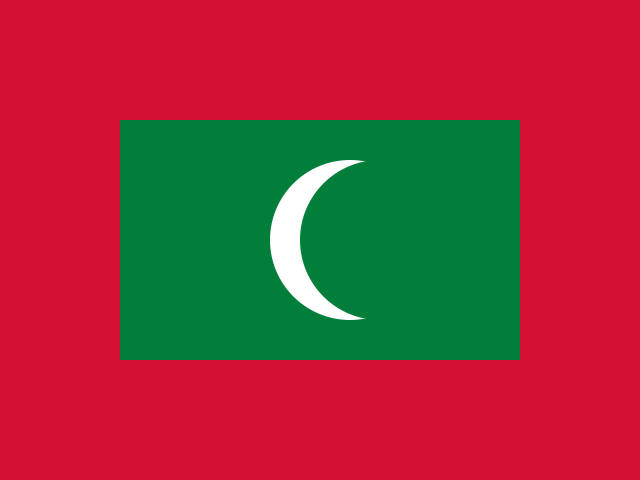
Capital Malé Facts and notes The Maldives’ flag places a white crescent in a green rectangle enclosed by a red border. This arrangement is defined in the country’s constitution. Sources
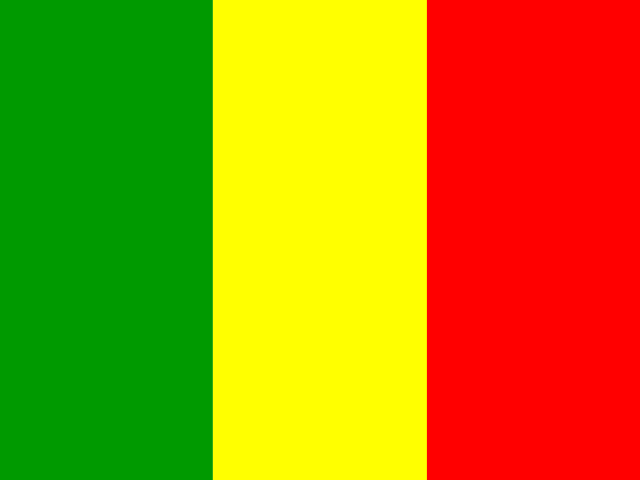
Capital Bamako Currency West African CFA franc XOF Facts and notes Mali’s Timbuktu was an important centre of learning and religion in the 15th and 16th centuries. Today’s national capital is Bamako. Sources
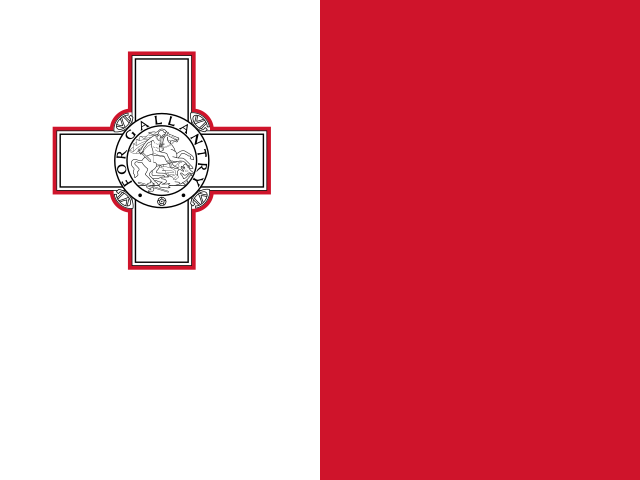
Capital Valletta Facts and notes This country adopted the euro in 2008.
The Knights of St John founded Valletta in 1566, planning a fortified city on a peninsula between two harbours. Sources
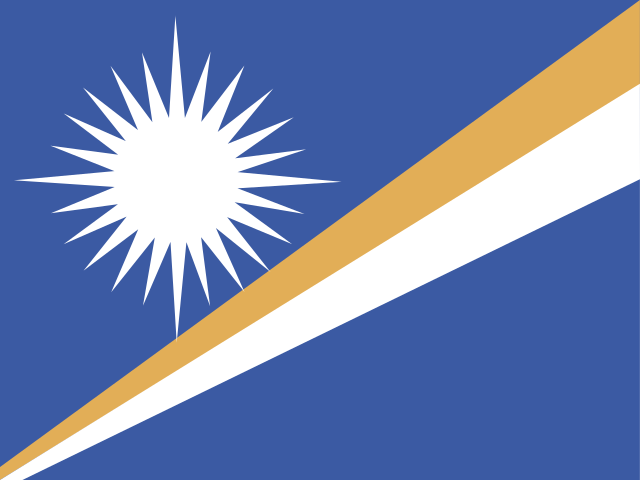
Capital Majuro Facts and notes The Marshall Islands’ atolls form two main chains: Ratak is the sunrise chain and Ralik the sunset chain. Both names also appear in the flag’s symbolism. Sources
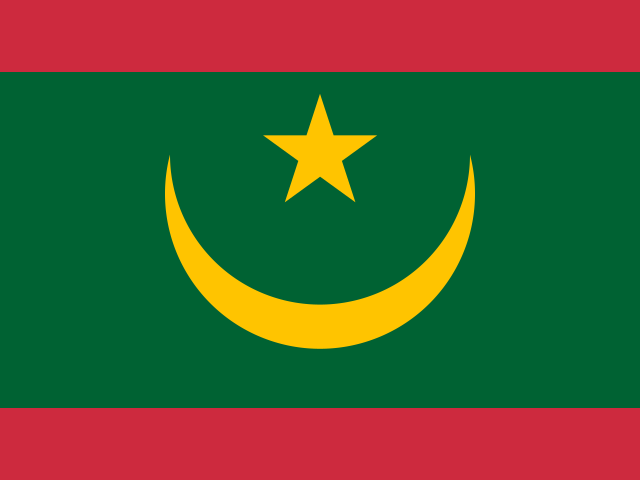
Capital Nouakchott Facts and notes At Mauritania’s Banc d’Arguin National Park, the Sahara meets the Atlantic, creating wintering grounds for many migratory birds. Sources
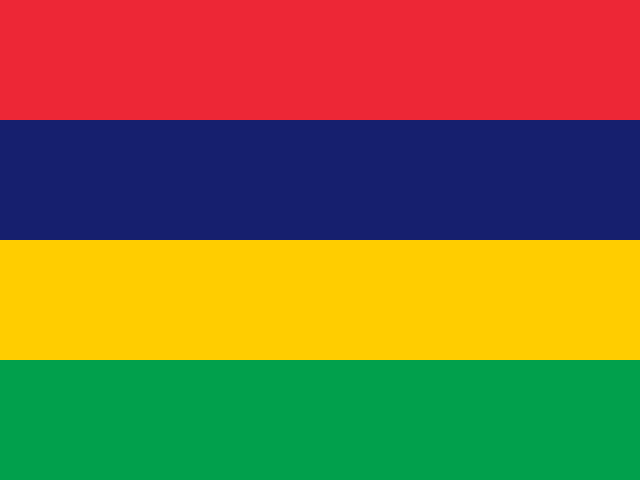
Capital Port Louis Facts and notes Aapravasi Ghat in Port Louis preserves the history of indentured workers arriving from India, whose 19th-century migration shaped Mauritius. Sources
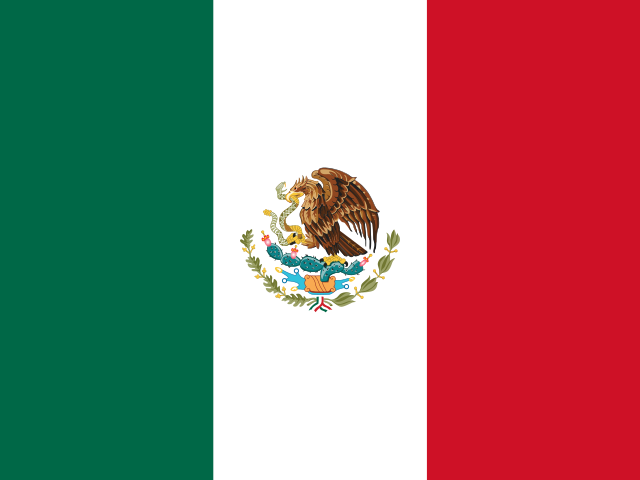
Capital Mexico City Facts and notes Mexico City’s historic centre grew on the site of the Aztec capital Tenochtitlan. Xochimilco’s canals and artificial farming islands, called chinampas, recall the valley’s earlier lake landscape. Sources
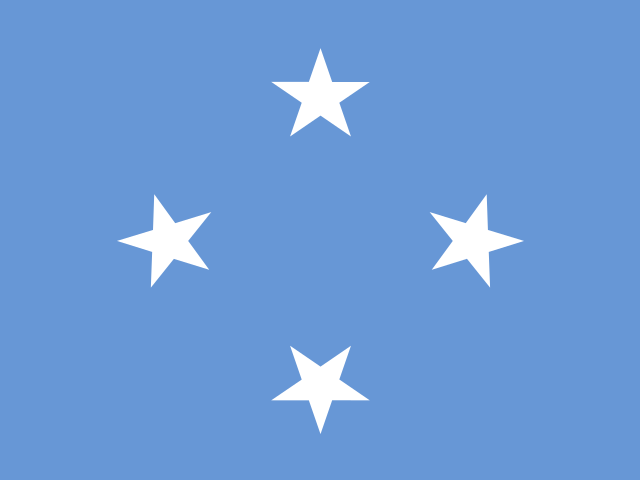
Capital Palikir Facts and notes Palikir lies on Pohnpei Island. The country has four states: Yap, Chuuk, Pohnpei and Kosrae. Sources
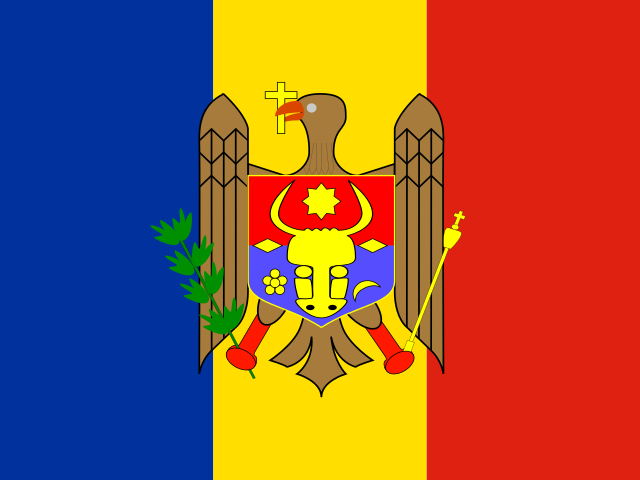
Capital Chișinău Facts and notes A white-stone Triumphal Arch, 13 metres tall, stands in central Chișinău. Above its four openings is an upper level with a clock. Sources
Capital Monaco Facts and notes Monaco is a city-state: this entry refers to Monaco as a whole, not a separate capital or the Monte Carlo district.
The country uses the euro under a formal agreement, although it is not an EU member.
Monaco’s Oceanographic Museum preserves scientific instruments used on Prince Albert I’s ocean expeditions. Sources
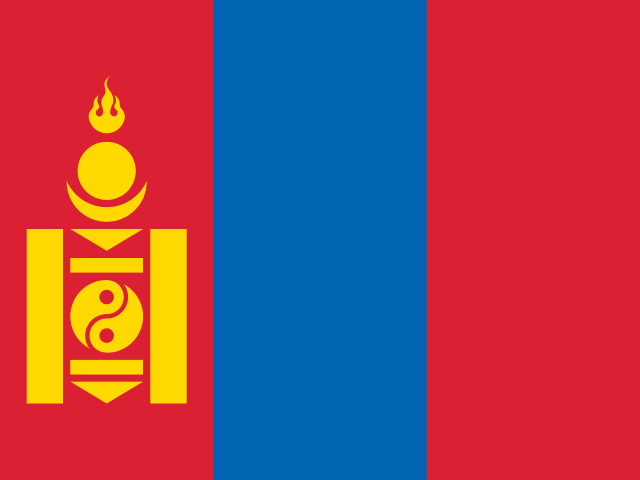
Capital Ulaanbaatar Facts and notes Mongolia’s Soyombo emblem combines several symbols, including fire, the sun and the moon. It appears on the red stripe next to the flagpole. Sources
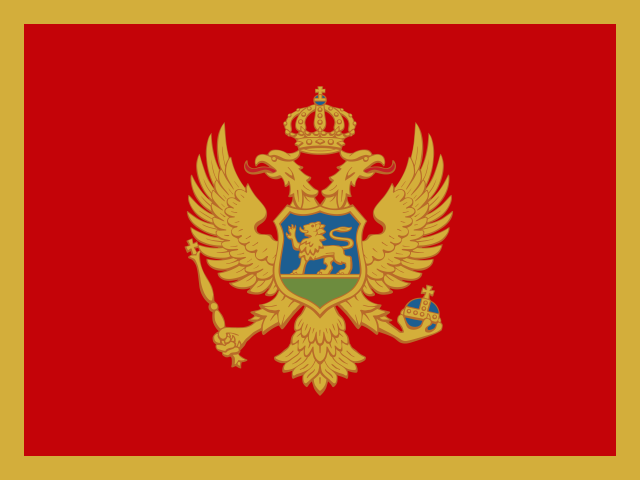
Capital Podgorica Facts and notes Montenegro uses the euro without a formal monetary agreement with the EU and is not a euro-area member.
Podgorica lies on five rivers: the Morača, Zeta, Ribnica, Cijevna and Sitnica. The Morača, the largest river through the city, later flows into Lake Skadar. Sources
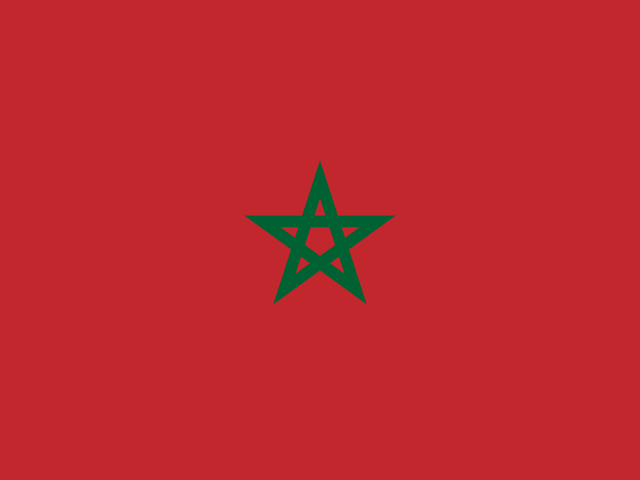
Capital Rabat Facts and notes Rabat combines remains of a 12th-century city with a new town planned in the early 20th century, together recognised as UNESCO World Heritage. Sources
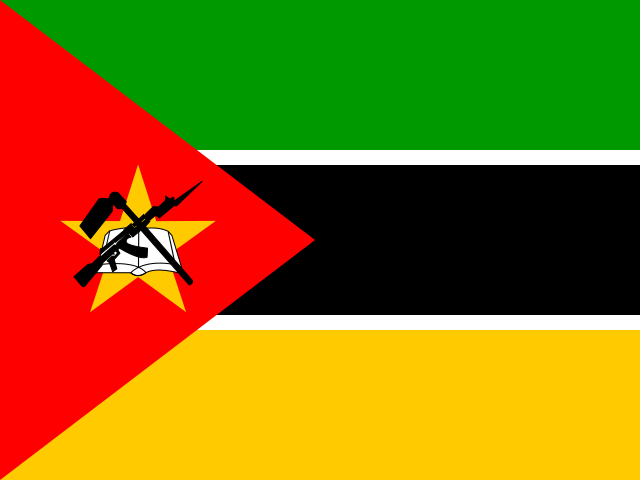
Capital Maputo Facts and notes The historic town on Mozambique Island owes its architectural unity to building materials and techniques used consistently over centuries. Sources
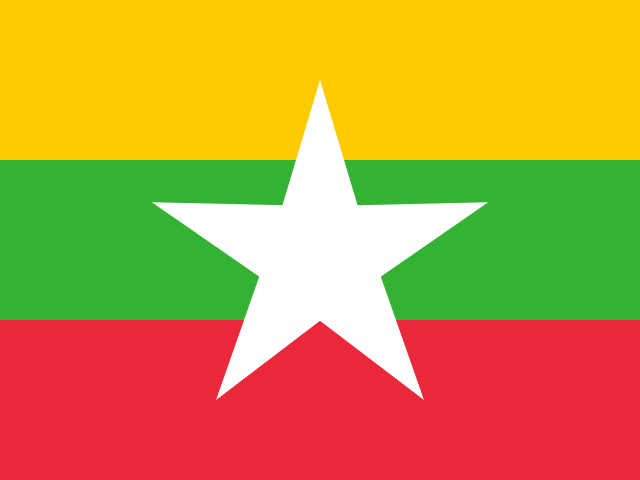
Capital Nay Pyi Taw Facts and notes Myanmar’s flag combines yellow, green and red stripes with a large white star. The star crosses all three stripes rather than occupying only the middle one. Sources
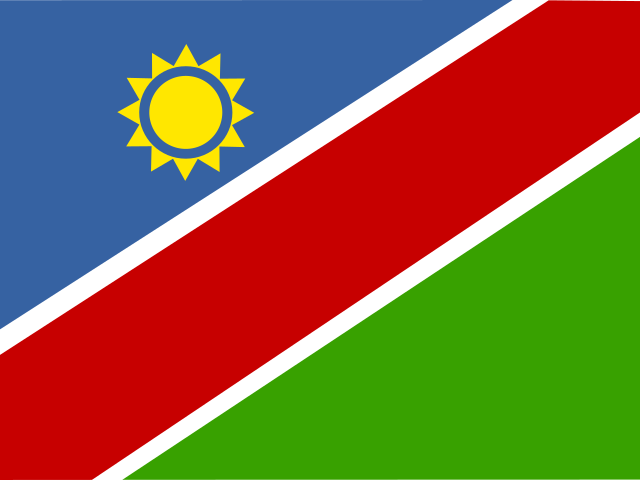
Capital Windhoek Currency Namibian Dollar NAD South African rand ZAR Facts and notes The Namibian dollar is the national currency; the South African rand is also legal tender.
Fog is crucial to life in Namibia’s Namib Sand Sea: it is the main water source in this coastal desert. Sources
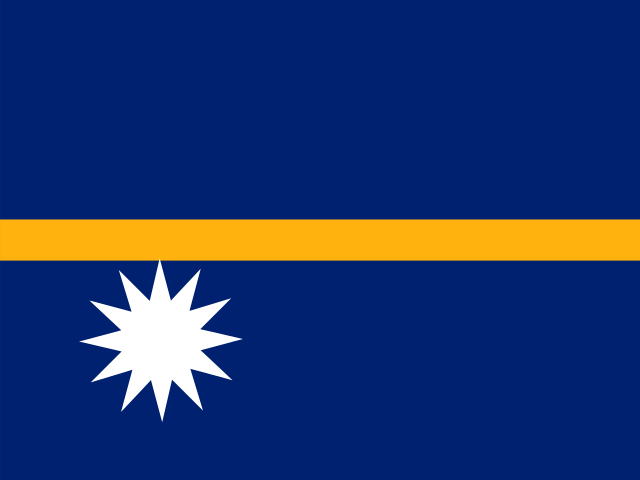
Seat of government Yaren District Facts and notes Yaren is not an official capital or a separate capital city: it is an administrative district. This collection asks where Nauru’s government is based.
Nauru has no official capital. Parliament meets in Yaren District, which also houses government offices. Sources
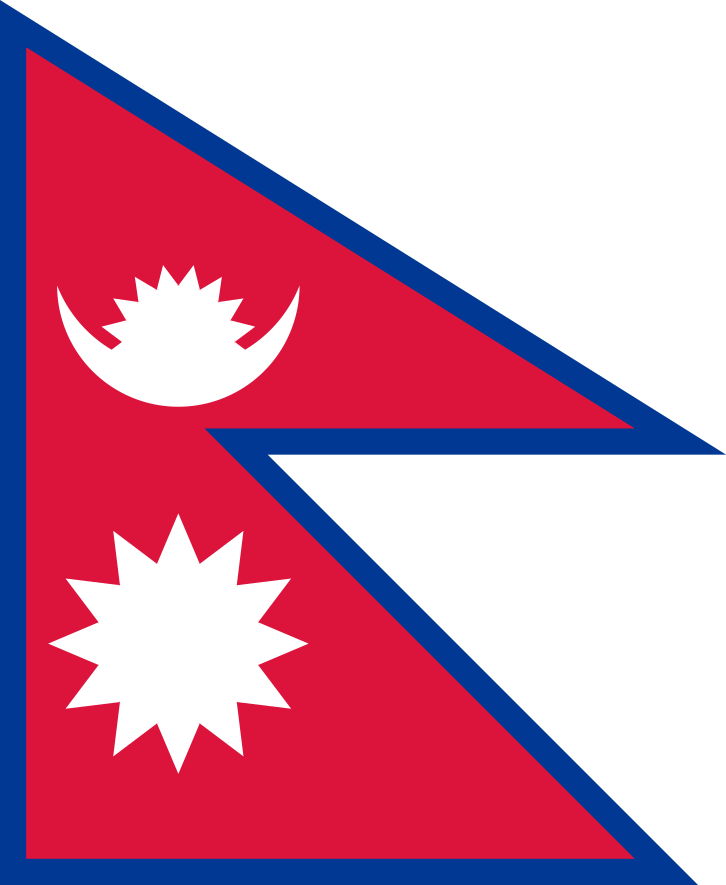
Capital Kathmandu Facts and notes The Kathmandu Valley World Heritage property comprises seven monument zones. These include historic squares in Kathmandu, Patan and Bhaktapur. Sources
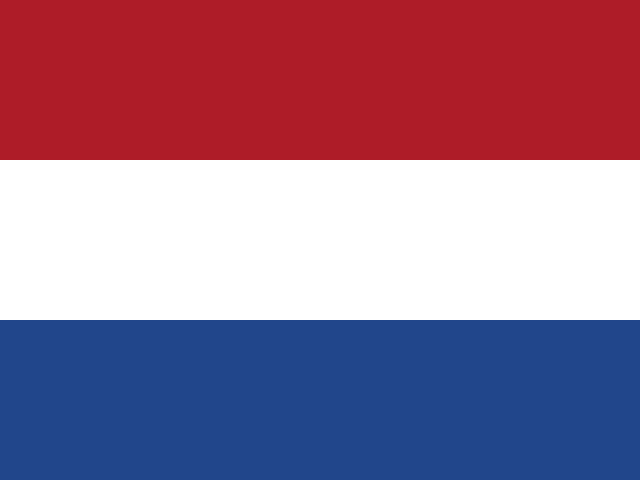
Capital Amsterdam Facts and notes Amsterdam is the capital of the Netherlands, while the government and parliament are based in The Hague.
This country adopted the euro in 1999. Euro notes and coins followed in 2002.
Amsterdam’s 17th-century canal ring was planned in concentric arcs around the old town as the city expanded onto drained land. Sources
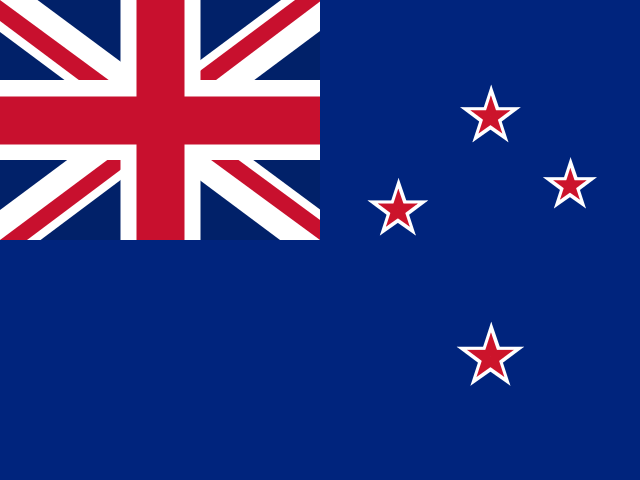
Capital Wellington Facts and notes Wellington became the permanent seat of government in 1865, providing a more central location for representatives from both main islands. Parliament first met in Wellington on 26 July 1865, after moving from Auckland. Sources
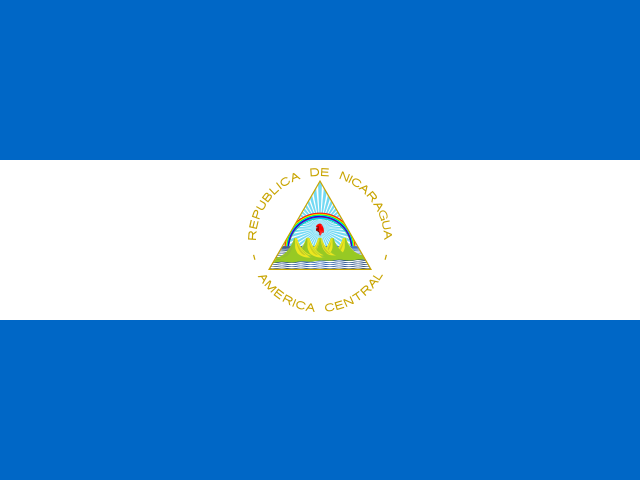
Capital Managua Facts and notes Nicaragua preserves the ruins of the old city of León, known as León Viejo. Its inhabitants moved away after earthquakes in the early 17th century. The ruins are outside the capital Managua. Sources
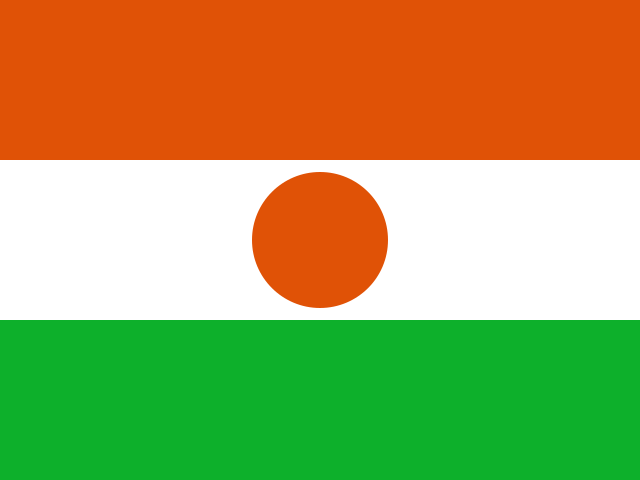
Capital Niamey Currency West African CFA franc XOF Facts and notes In Niger’s historic Agadez stands a minaret around 27 metres high, built from sun-dried mud bricks. Sources
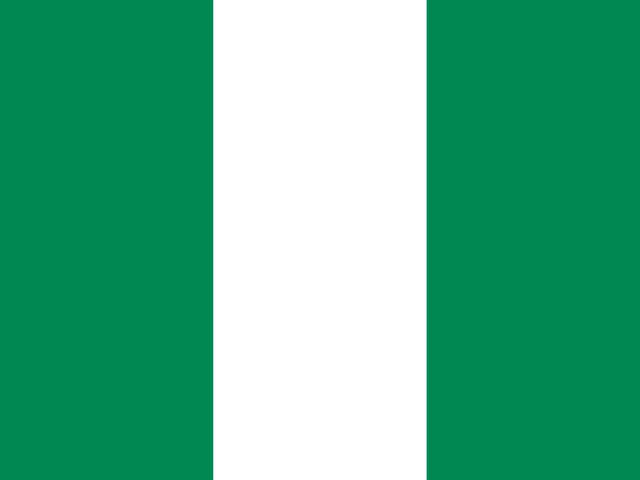
Capital Abuja Facts and notes Nigeria’s Osun-Osogbo Sacred Grove preserves Yoruba shrines and sculptures, at a site outside the present capital, Abuja. Sources
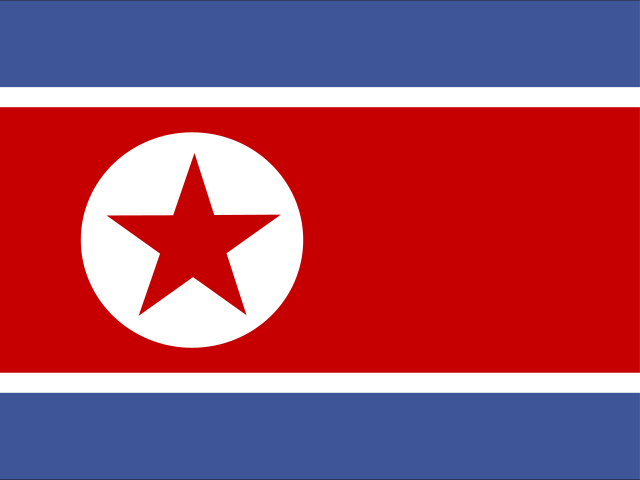
Capital Pyongyang Facts and notes Part of the UNESCO-listed Complex of Koguryo Tombs lies around Pyongyang. Tomb murals preserve scenes from the ancient kingdom’s life. Sources
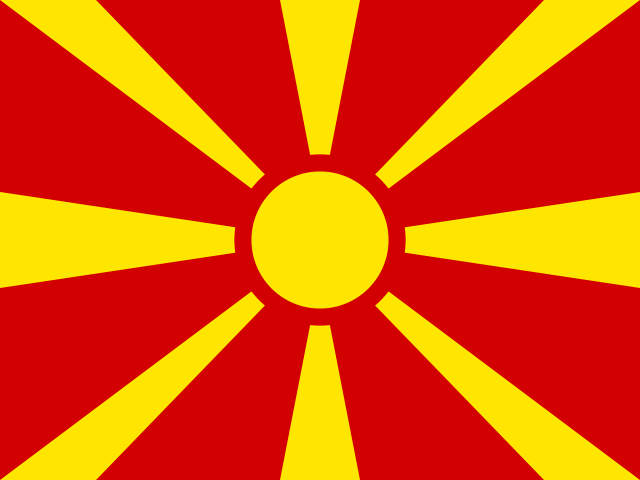
Capital Skopje Facts and notes The Vardar flows through Skopje, and the Stone Bridge is one of the city’s symbols. The bridge, river and Kale Fortress even appear on the city’s coat of arms. Sources
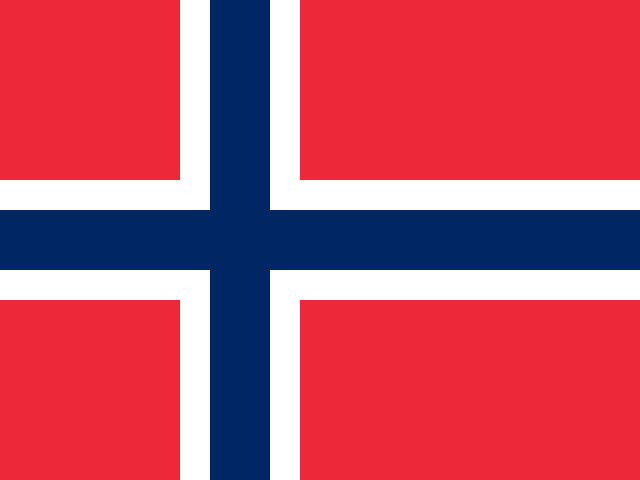
Capital Oslo Facts and notes The Nobel Peace Prize is presented in Oslo, with its ceremony traditionally held at City Hall on 10 December. Sources
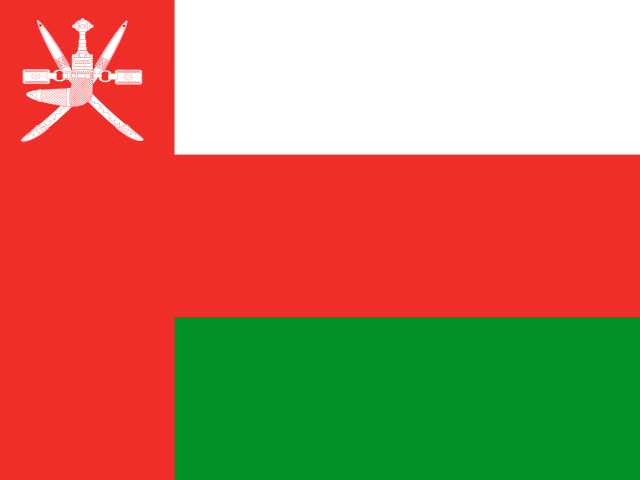
Capital Muscat Facts and notes Oman’s emblem combines crossed swords with a traditional curved dagger, the khanjar. The same emblem appears at the flag’s upper hoist corner. Sources
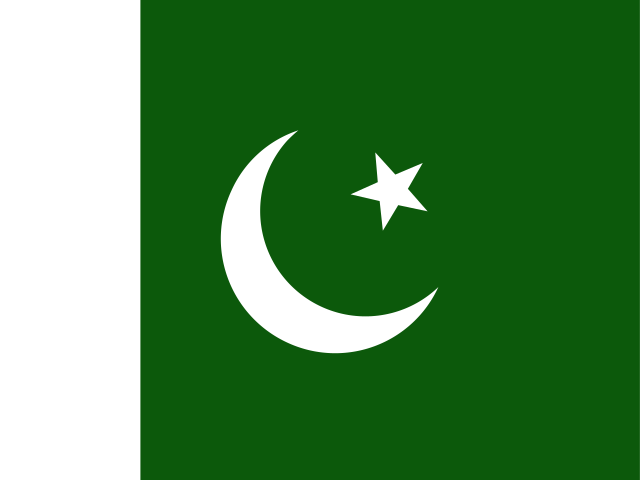
Capital Islamabad Facts and notes Islamabad was purpose-built as a new capital beside the Margalla Hills. Its master plan uses a clearly organized grid of sectors. Sources
Capital Ngerulmud Facts and notes Ngerulmud is in Melekeok State, so some lists use the broader name Melekeok for the capital. Here we distinguish the capital site, Ngerulmud, from the state.
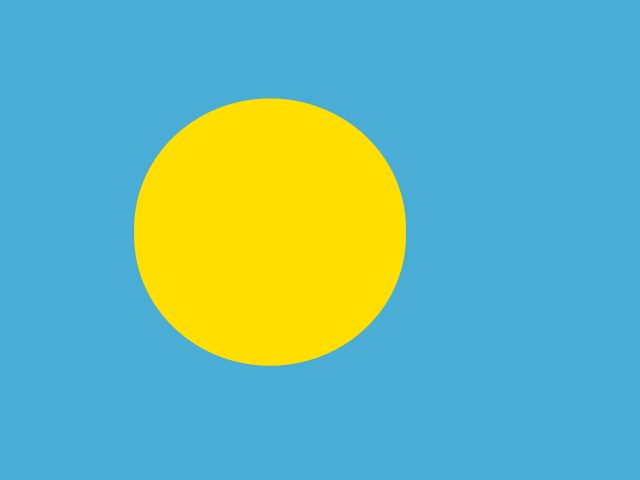
Palau’s new capital complex was built at Ngerulmud on Babeldaob Island in 2006. The previous seat of government was Koror. Sources
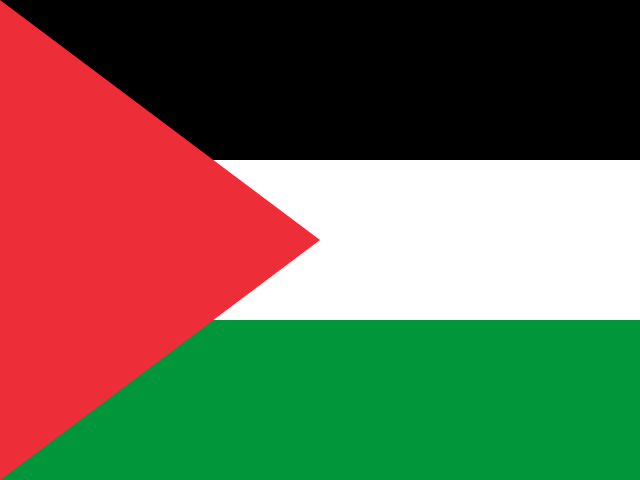
Claimed capital East Jerusalem Currency Israeli new shekel ILS Jordanian Dinar JOD US dollar USD Euro EUR Facts and notes Palestine claims East Jerusalem as its capital; administrative institutions operate in Ramallah. East Jerusalem’s final status remains unresolved. The quiz asks about the claimed capital, not the current administrative seat.
Palestine has no national currency. The Israeli shekel predominates in daily payments; the Palestine Monetary Authority also lists the Jordanian dinar, US dollar and euro as currencies permitted in circulation.
East Jerusalem and Ramallah are different places: the former is claimed as Palestine’s capital, while Ramallah houses Palestinian administrative institutions. Sources
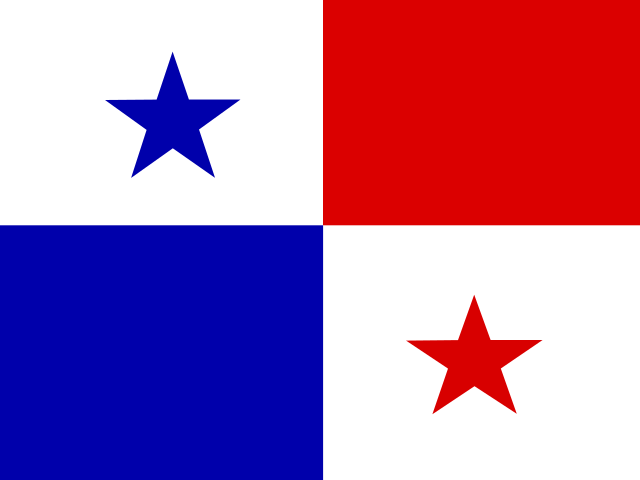
Capital Panama City Currency Panamanian Balboa PAB US dollar USD Facts and notes The balboa is the national monetary unit. Panama does not issue its own banknotes: US dollar notes are used for payments, while balboa coins circulate alongside the dollar.
The first site of Panama City is now known as Panamá Viejo, or Old Panama. After its destruction in 1671, the city was moved in 1673 to the site of today’s historic Casco Antiguo district. Sources
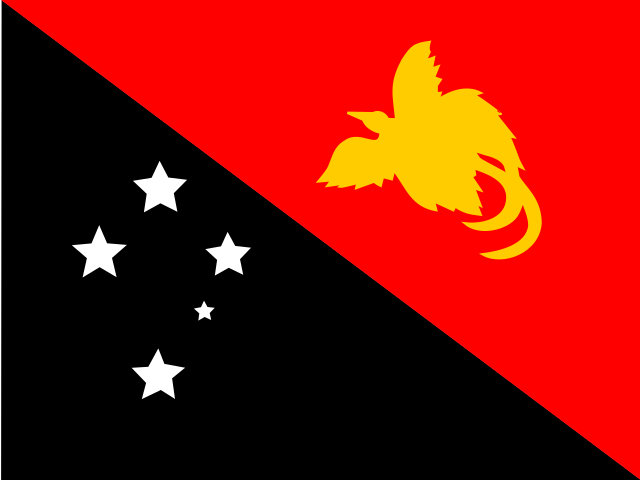
Capital Port Moresby Currency Papua New Guinean kina PGK Facts and notes The Kuk archaeological site in Papua New Guinea’s highlands preserves evidence of very early agriculture. It shows a change from planting mounds to draining wetlands with ditches. The site lies in the highlands, rather than in the capital Port Moresby. Sources
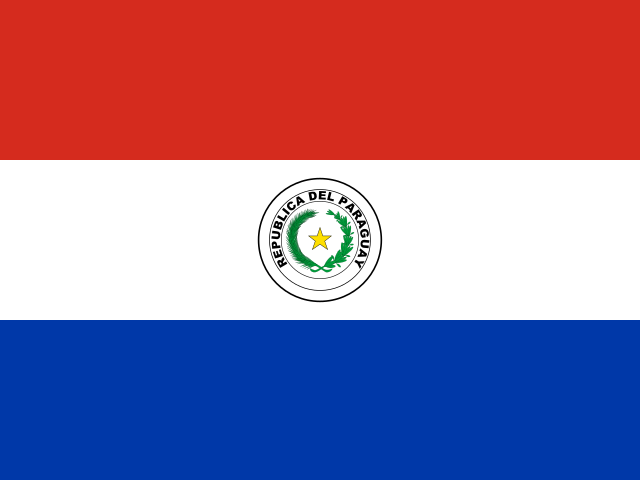
Capital Asunción Facts and notes Paraguay preserves the Jesuit mission ruins of La Santísima Trinidad de Paraná and Jesús de Tavarangue. They recall settlements of the 17th and 18th centuries. These sites lie outside the capital Asunción. Sources
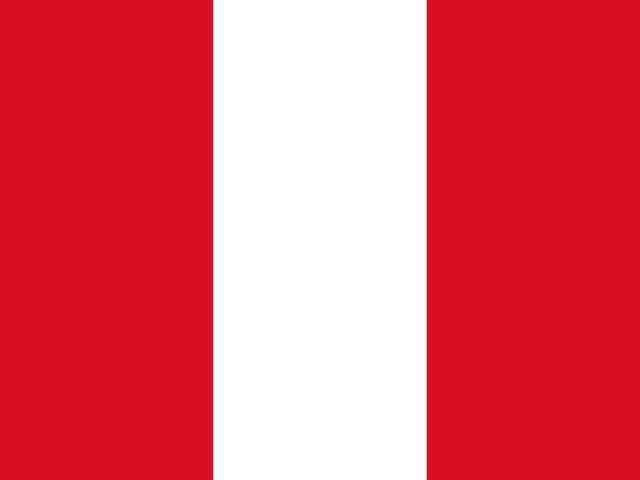
Capital Lima Facts and notes Lima was founded as a Spanish colonial city in 1535 and became an important South American centre. Its historic centre preserves monasteries and other buildings despite repeated destructive earthquakes. Sources
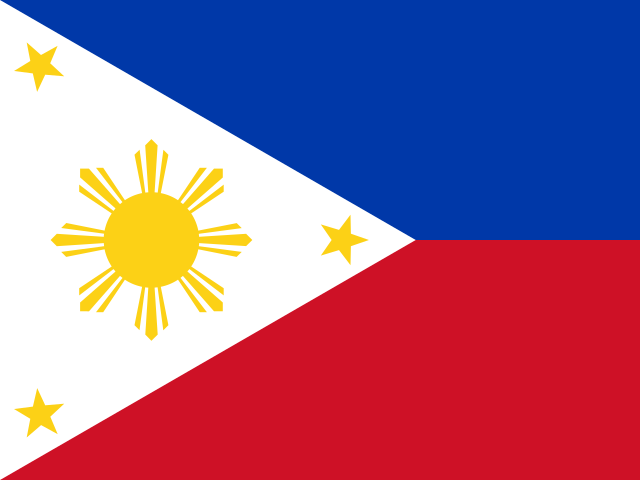
Capital Manila Facts and notes Casa Manila in Intramuros recreates the home life of an affluent family in the late Spanish colonial period, offering a glimpse of nineteenth-century Manila. Sources
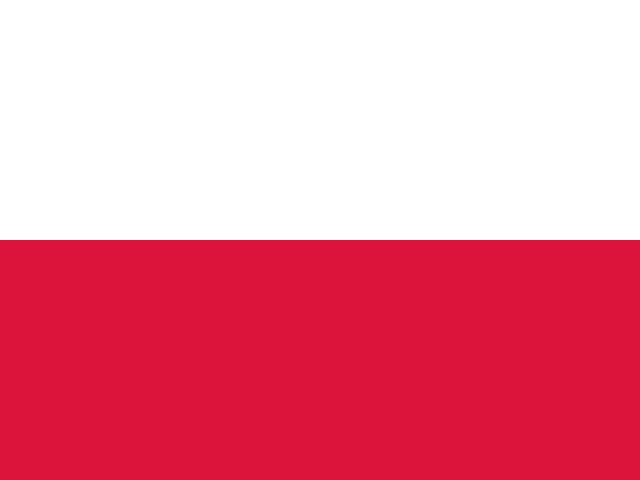
Capital Warsaw Facts and notes Warsaw’s Old Town was carefully reconstructed after World War II because most of it had been destroyed in 1944. Old documents, images and surviving building fragments helped guide the rebuilding. Sources
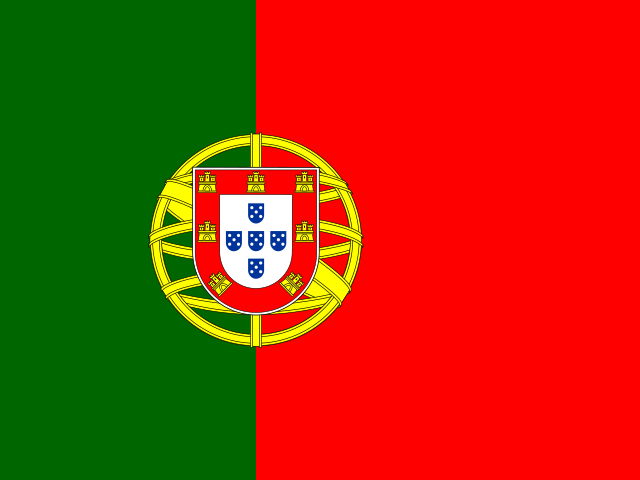
Capital Lisbon Facts and notes This country adopted the euro in 1999. Euro notes and coins followed in 2002.
After the earthquake of 1755, central Lisbon was replanned and rebuilt as the district now called Baixa Pombalina. Sources
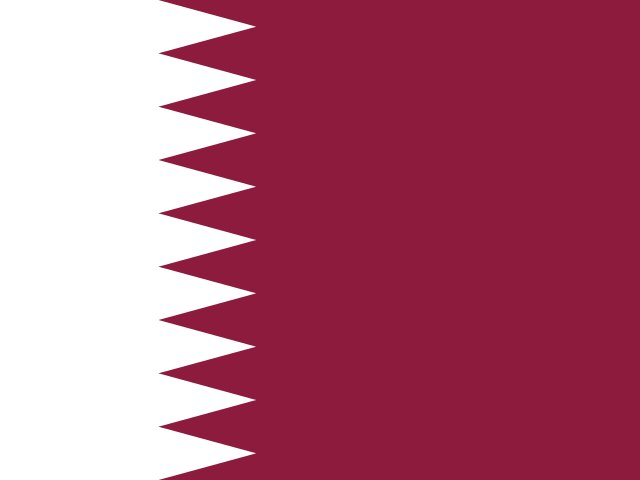
Capital Doha Facts and notes Qatar’s flag is recognizable by its maroon field and nine white points. Bahrain’s red-and-white flag has only five points. Sources
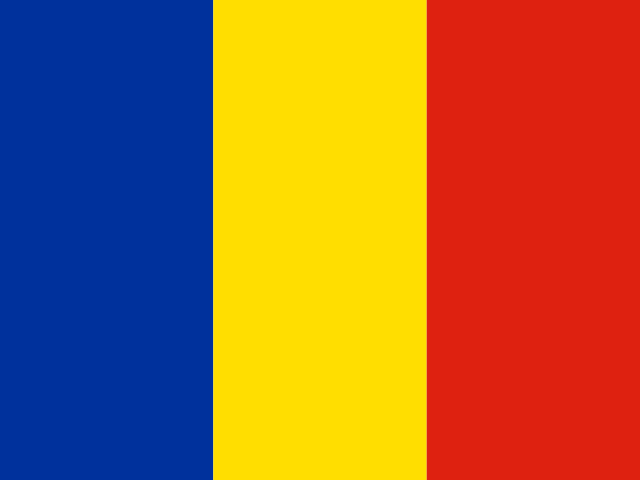
Capital Bucharest Facts and notes A large area of old Bucharest was demolished to make room for the Palace of Parliament. Around 2,800 chandeliers were used in the interior of this enormous building. Sources
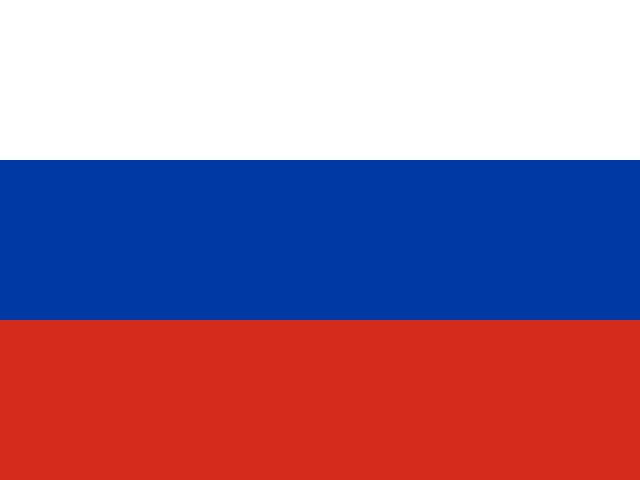
Capital Moscow Facts and notes Moscow’s Kremlin is a walled citadel whose defences include 20 towers. Red Square runs alongside its eastern wall. Sources
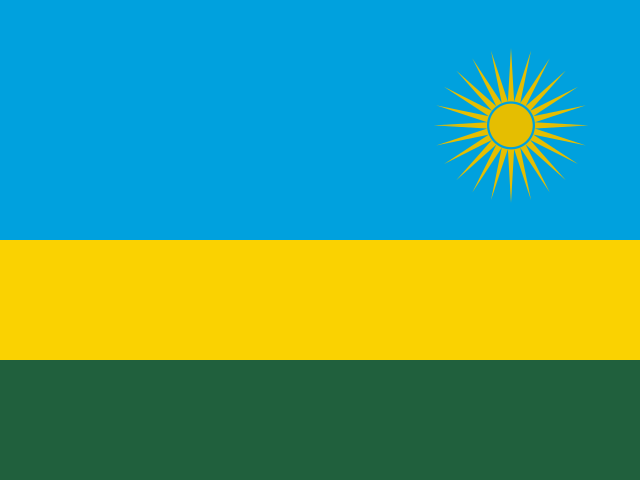
Capital Kigali Facts and notes Kigali spreads across several hills and valleys. It became Rwanda’s capital at independence in 1962. Sources
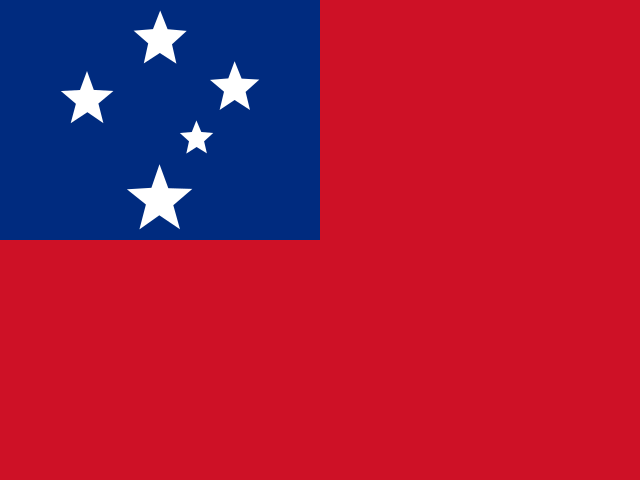
Capital Apia Facts and notes Apia is on Upolu Island. Upolu and Savai‘i are Samoa’s two main islands, and the country is part of Polynesia. Sources
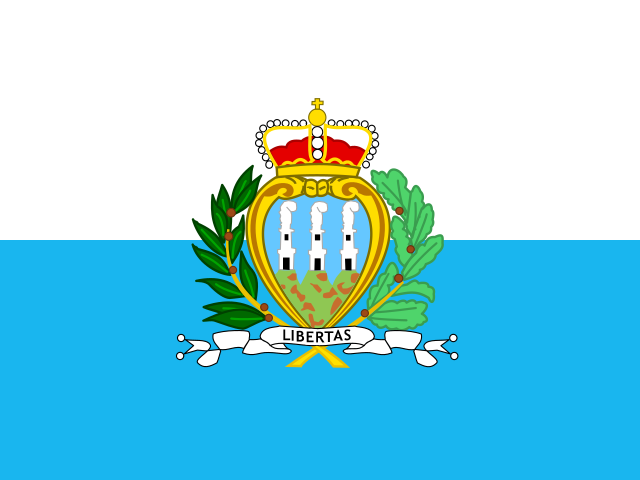
Capital San Marino Facts and notes The country uses the euro under a formal agreement, although it is not an EU member.
Three towers symbolise the city of San Marino: Guaita, Cesta and Montale. The historic centre and Mount Titano joined the UNESCO World Heritage List in 2008. Sources
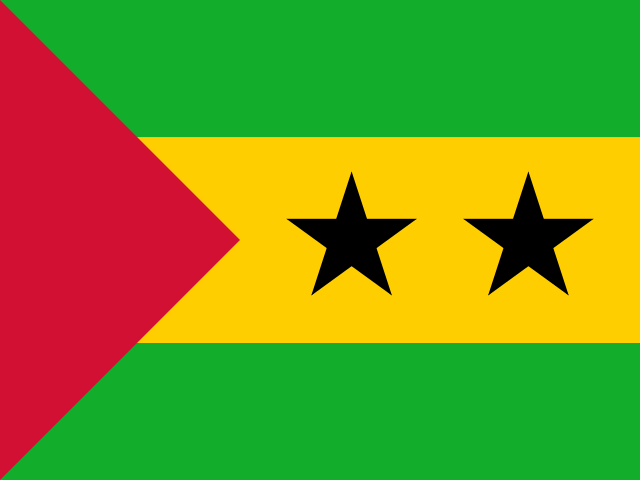
Capital São Tomé Currency São Tomé & Príncipe Dobra STN Facts and notes São Tomé and Príncipe’s island of Príncipe has been a biosphere reserve since 2012. It is a volcanic island in the Gulf of Guinea. Sources
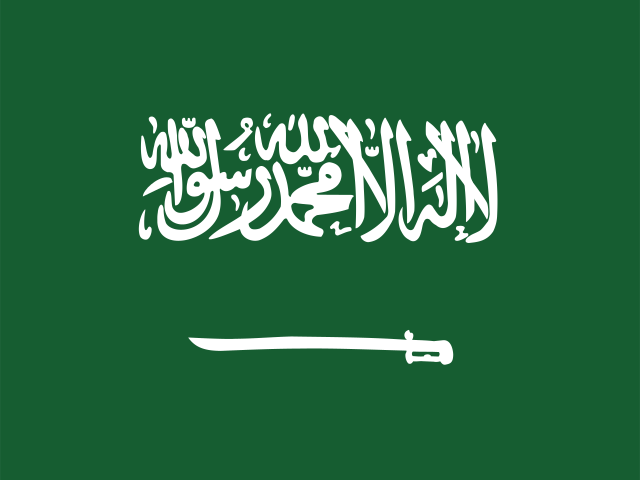
Capital Riyadh Facts and notes At-Turaif in Diriyah, near Riyadh, was a centre of the first Saudi state. Its buildings illustrate the earthen architecture of the Najd region. Sources
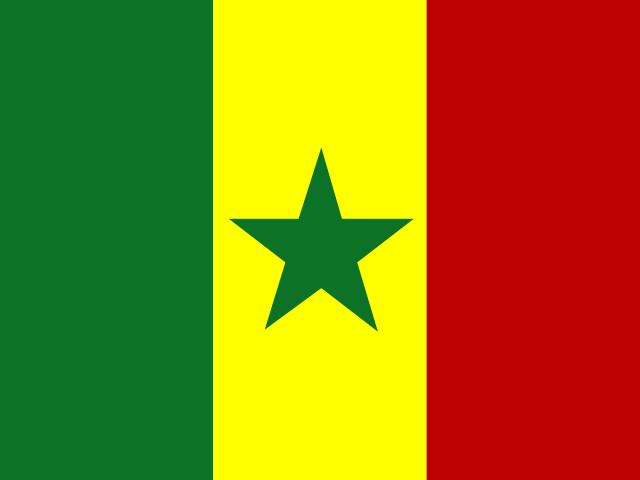
Capital Dakar Currency West African CFA franc XOF Facts and notes Gorée Island, opposite Dakar, is a place of remembrance of the slave trade and a symbol of reconciliation. Sources
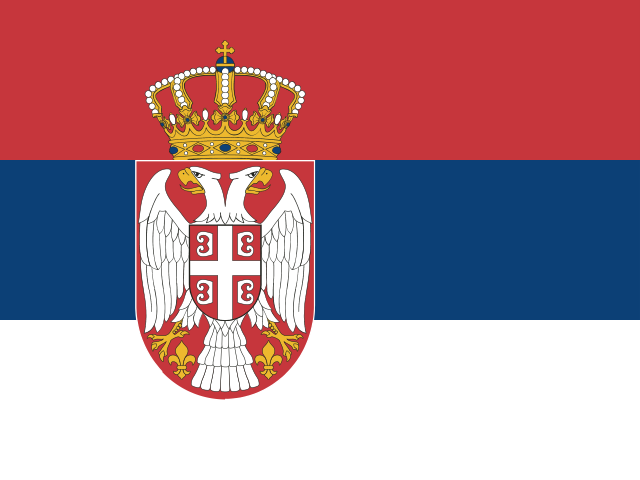
Capital Belgrade Facts and notes Belgrade stands where two major rivers meet: the Sava and the Danube. Sources
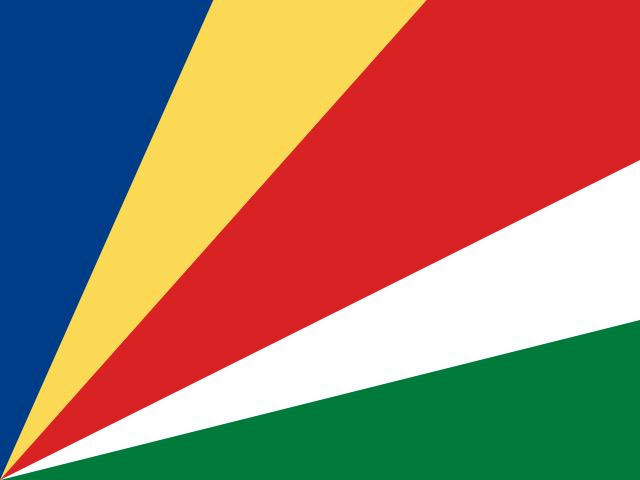
Capital Victoria Facts and notes The Seychelles’ Aldabra Atoll is known for giant tortoises. Its coral islands surround a shallow lagoon. Sources
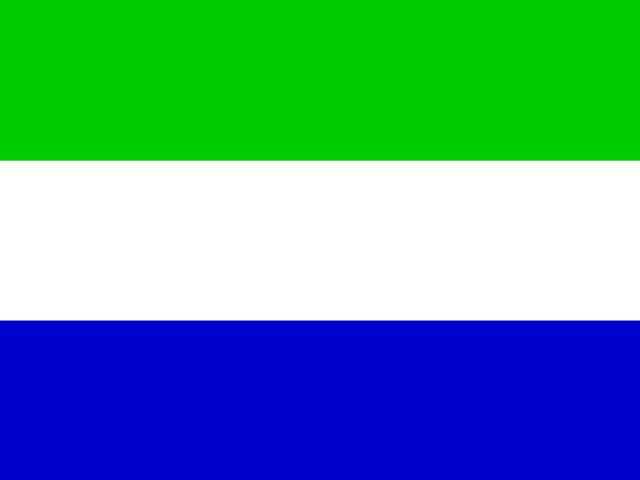
Capital Freetown Facts and notes Sierra Leone’s Bunce Island preserves the remains of a fortified slave-trading settlement and is an important place of historical remembrance. Sources
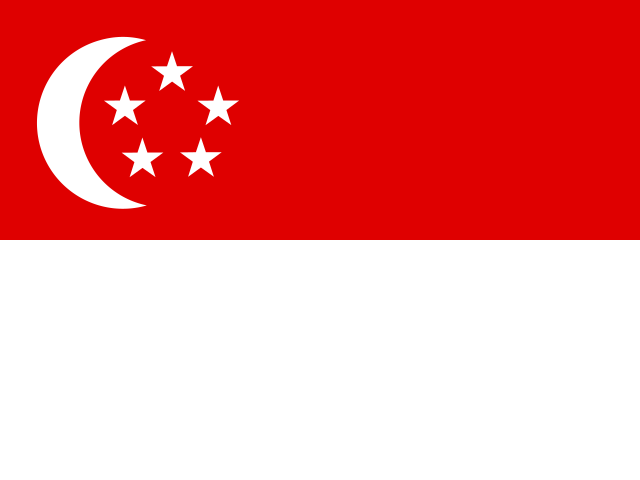
Capital Singapore Facts and notes Singapore names both a country and a city. Its Botanic Gardens were founded in 1859 and became an important centre for tropical plant research. Sources
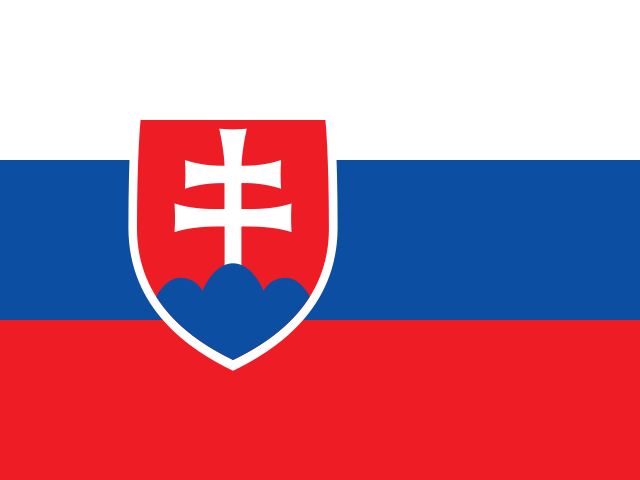
Capital Bratislava Facts and notes This country adopted the euro in 2009.
Bratislava Castle stands on a hill above the Danube. Its oldest surviving tower once safeguarded the Hungarian coronation jewels. Sources
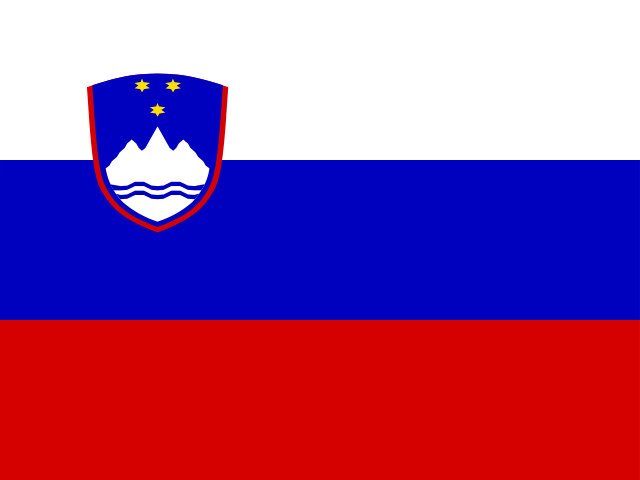
Capital Ljubljana Facts and notes This country adopted the euro in 2007.
Ljubljana’s Triple Bridge started as a single stone bridge built in 1842. Between 1929 and 1932, architect Jože Plečnik added two pedestrian bridges beside it. Sources
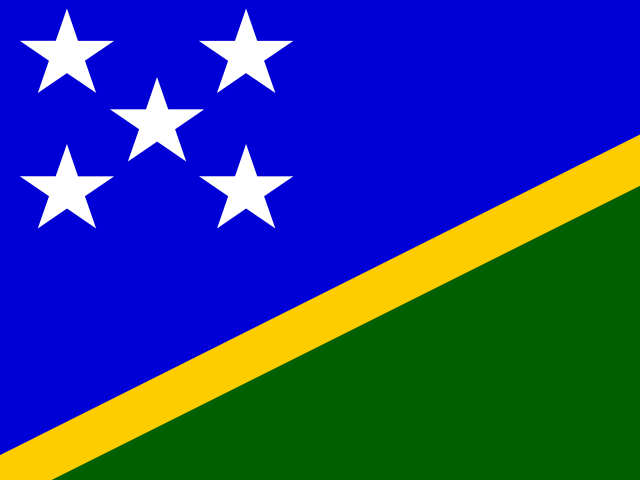
Capital Honiara Currency Solomon Islands Dollar SBD Facts and notes Honiara stands on Guadalcanal, the largest island in Solomon Islands. The country extends across hundreds of islands and atolls. Sources
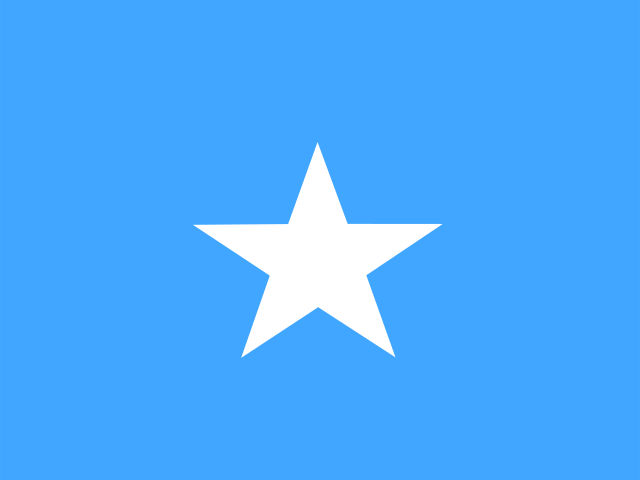
Capital Mogadishu Facts and notes The Somali Republic formed on 1 July 1960 through the union of the former British- and Italian-administered territories. Sources
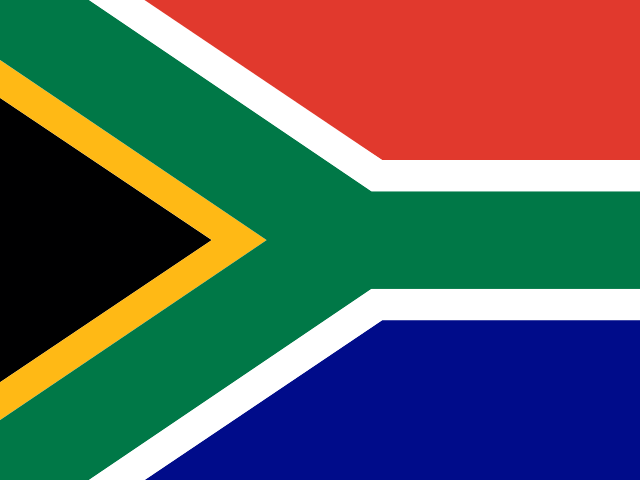
Capital Pretoria Facts and notes The quiz asks for the administrative capital, Pretoria. Cape Town is the legislative capital and Bloemfontein the judicial capital. Johannesburg is not a capital.
South Africa has three capitals for different functions of government: Pretoria, Cape Town and Bloemfontein. Sources
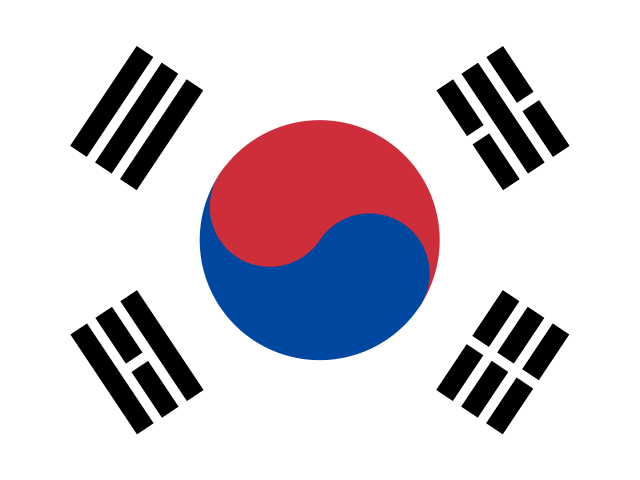
Capital Seoul Facts and notes Seoul’s Jongmyo Shrine honours the ancestors of the Joseon dynasty. Its associated rituals combine music, song and dance. Sources
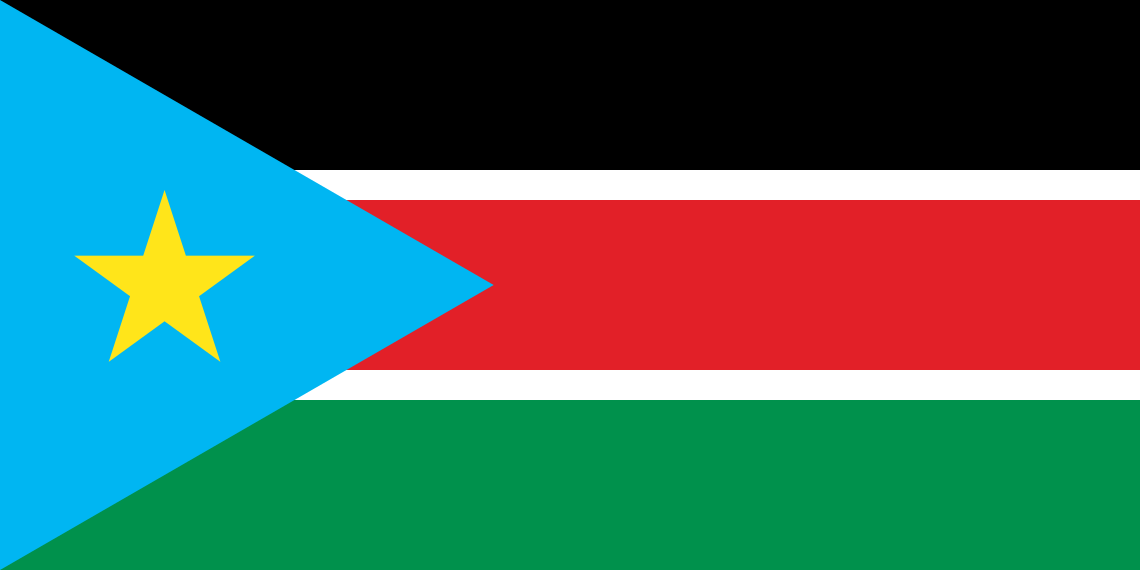
Capital Juba Facts and notes South Sudan became independent on 9 July 2011 and joined the United Nations five days later. Sources
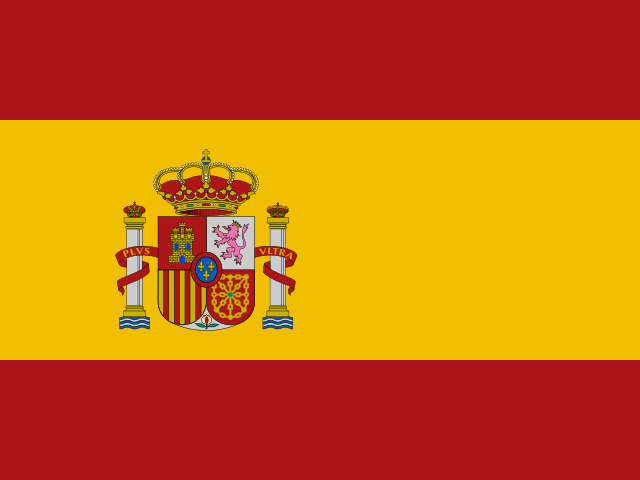
Capital Madrid Facts and notes This country adopted the euro in 1999. Euro notes and coins followed in 2002.
Madrid’s Prado Museum opened in 1819, although its building was originally designed to house natural history collections. Sources
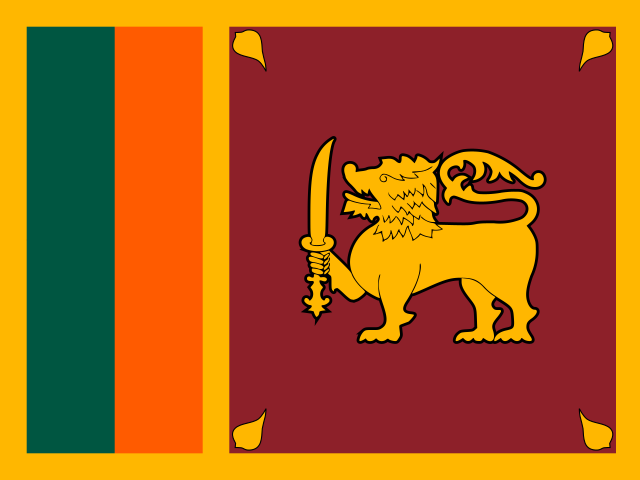
Administrative and parliamentary capital Sri Jayewardenepura Kotte Facts and notes Kotte is the administrative and parliamentary capital. Colombo is the commercial centre and also hosts government institutions. The quiz asks for the capital housing Parliament.
Sri Lanka’s Parliament building in Kotte opened in 1982. It stands on a small island in Diyawanna Oya, near Colombo. Sources
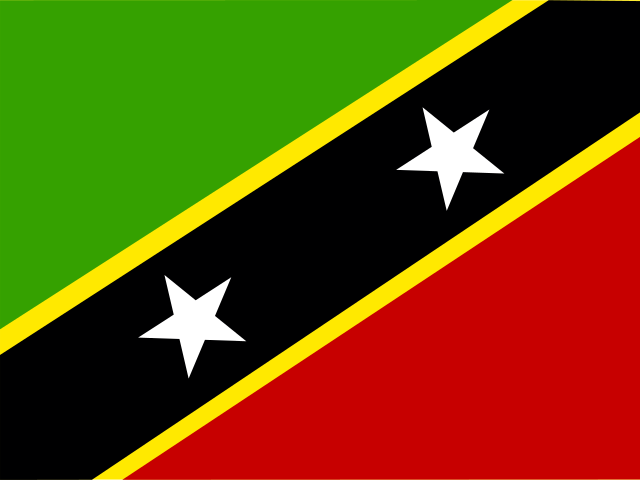
Capital Basseterre Currency East Caribbean Dollar XCD Facts and notes The island of St Kitts is home to the Brimstone Hill fortress complex. The fortress stands on a steep volcanic hill about 230 metres high, outside the capital Basseterre. Sources
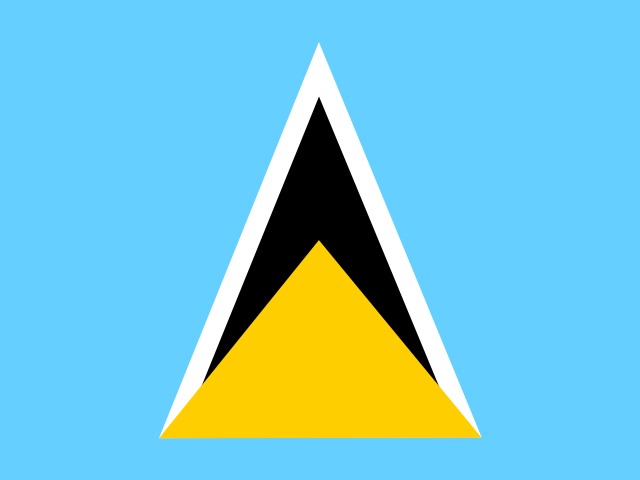
Capital Castries Currency East Caribbean Dollar XCD Facts and notes Saint Lucia’s Pitons area has two famous volcanic peaks above the sea: Gros Piton and Petit Piton. These peaks stand in the island’s southwest, rather than in the capital Castries. Sources
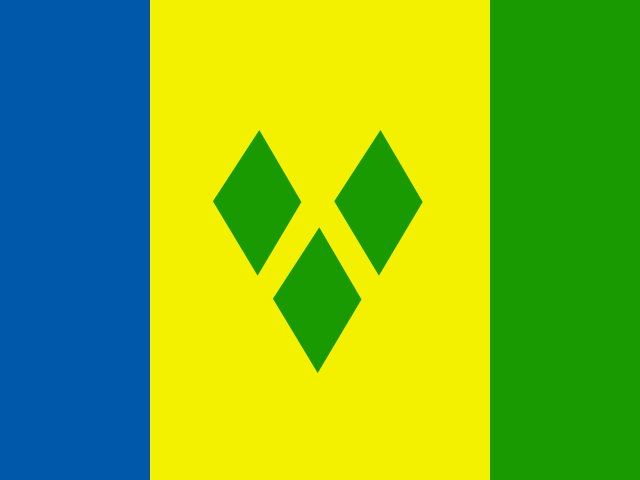
Capital Kingstown Currency East Caribbean Dollar XCD Facts and notes The botanical gardens near Kingstown were founded in 1765. Alongside plant collections, the gardens are known for conservation work with the native St Vincent parrot. Sources
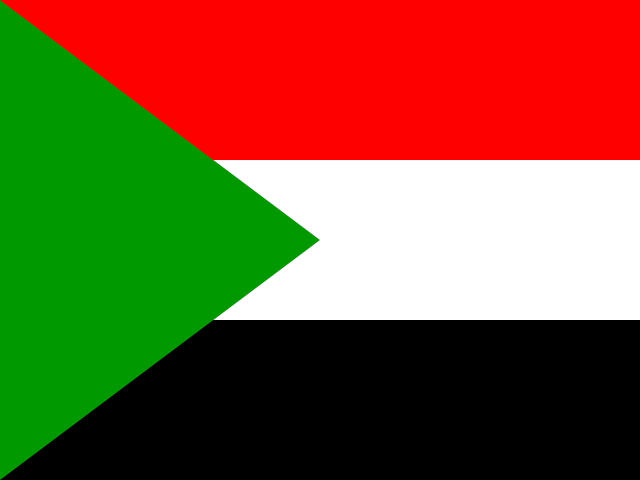
Capital Khartoum Facts and notes Sudan’s archaeological sites at Meroe preserve evidence of the Kingdom of Kush, including cities, temples and pyramids. Sources
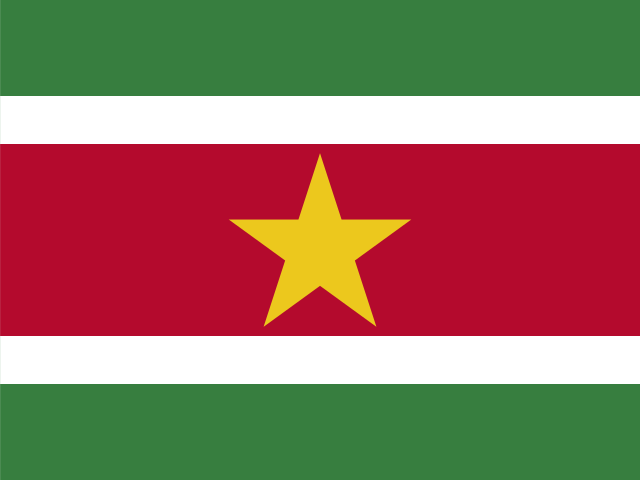
Capital Paramaribo Facts and notes Paramaribo’s historic centre is known for timber buildings influenced by Dutch colonial architecture. European building plans were adapted using local materials and construction techniques. Sources
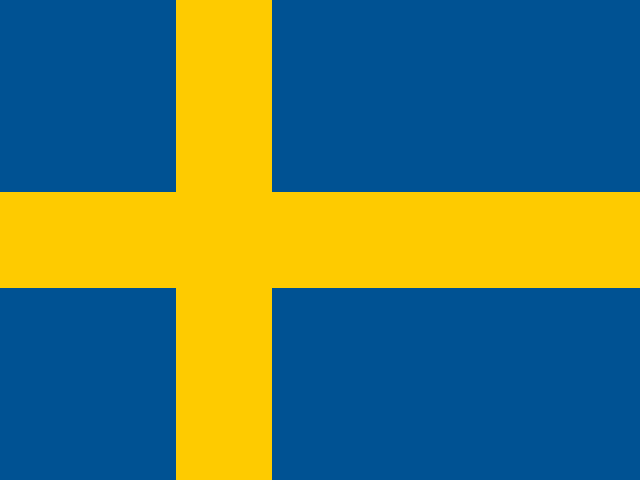
Capital Stockholm Facts and notes Stockholm is built on fourteen islands, making water a defining part of the city itself. Sources
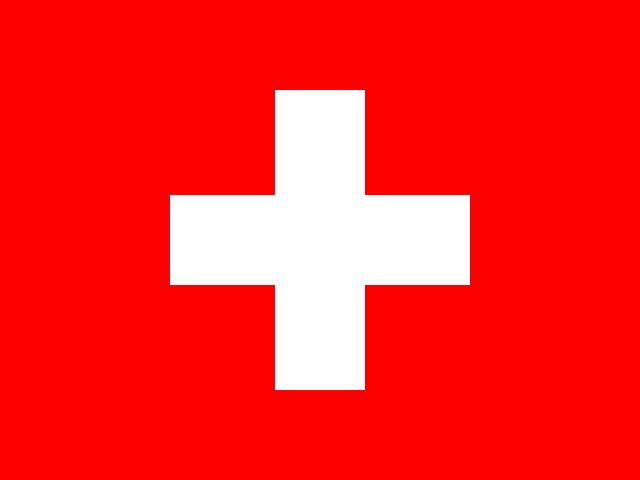
Capital Bern Facts and notes Bern is the federal city and serves as the de facto capital; Switzerland has no formally designated capital in the usual legal sense.
Bern’s old town has around 6 km of arcades: covered walkways that shelter pedestrians from rain and sun. Sources
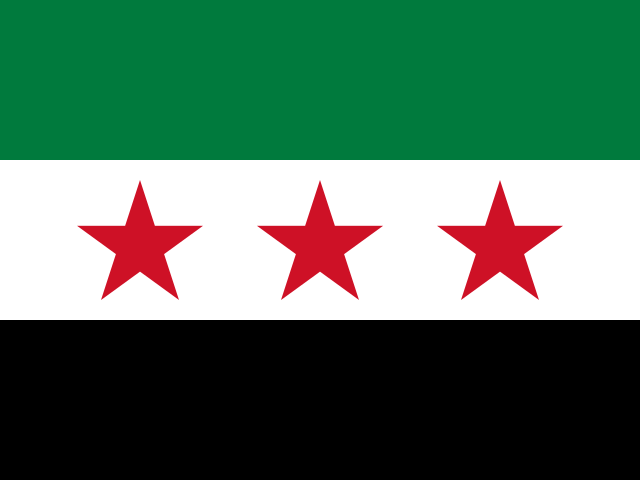
Capital Damascus Facts and notes Damascus’s Old City contains the eighth-century Umayyad Mosque. The city also developed a long craft tradition, including sword-making. Sources
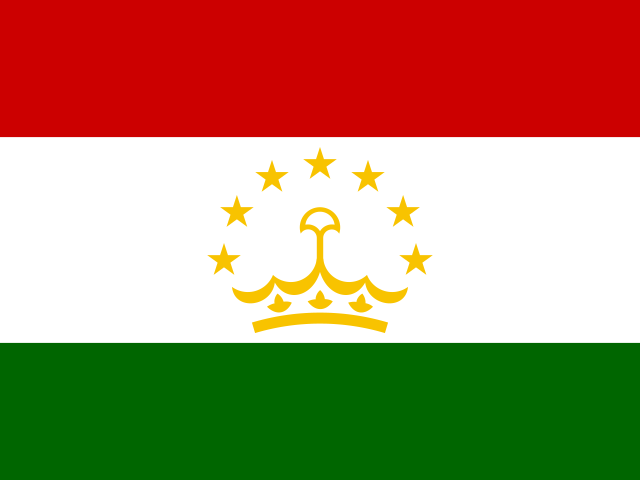
Capital Dushanbe Facts and notes Tajikistan’s flag carries a golden crown and seven stars on its white stripe. The white stripe is wider than the red and green ones. Sources
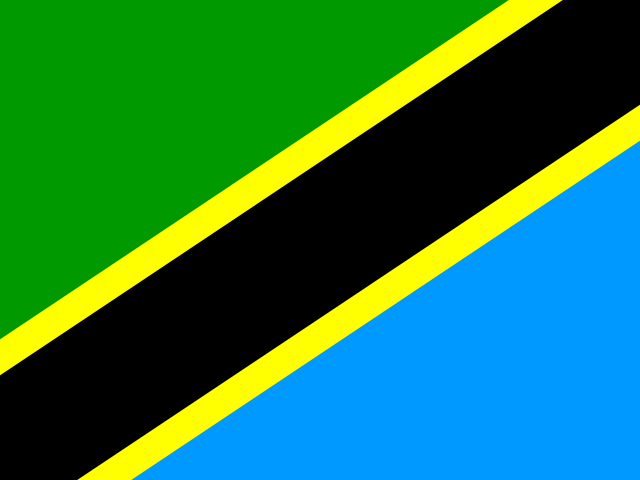
Capital Dodoma Facts and notes Dodoma’s capital status is explicitly set out in Tanzania’s 2018 Capital City Declaration Act. Dar es Salaam is the former capital. Sources
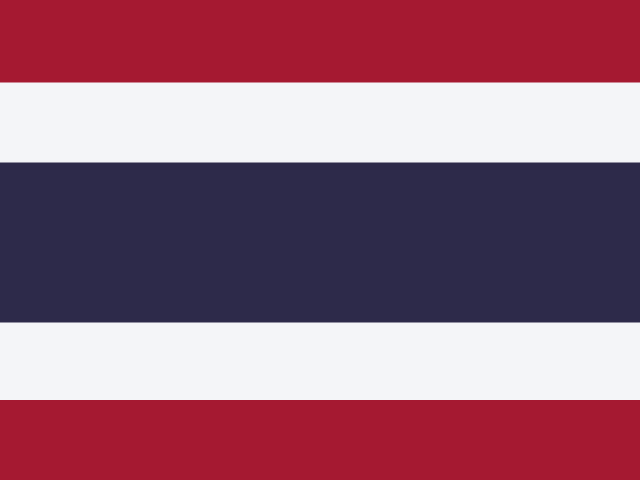
Capital Bangkok Facts and notes Bangkok was UNESCO World Book Capital for 2013, a year-long cultural designation promoting books and reading. Sources
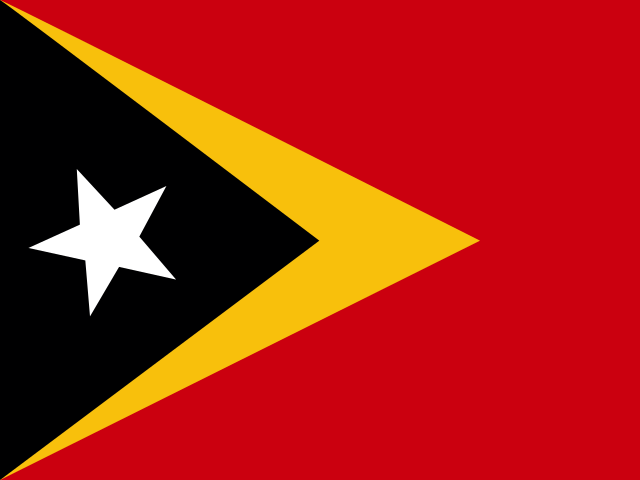
Capital Dili Facts and notes Timor-Leste’s flag places a black triangle over a larger yellow one. The constitution describes its white star as a guiding light of peace. Sources
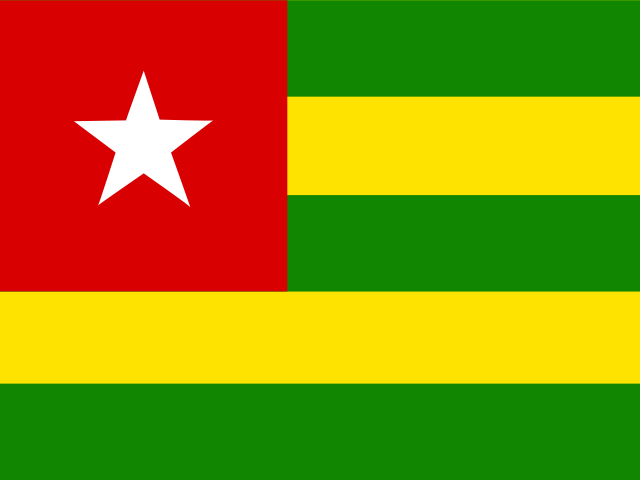
Capital Lomé Currency West African CFA franc XOF Facts and notes In the Koutammakou landscape of Togo and Benin, the Batammariba build earthen tower-houses known as takienta. Sources
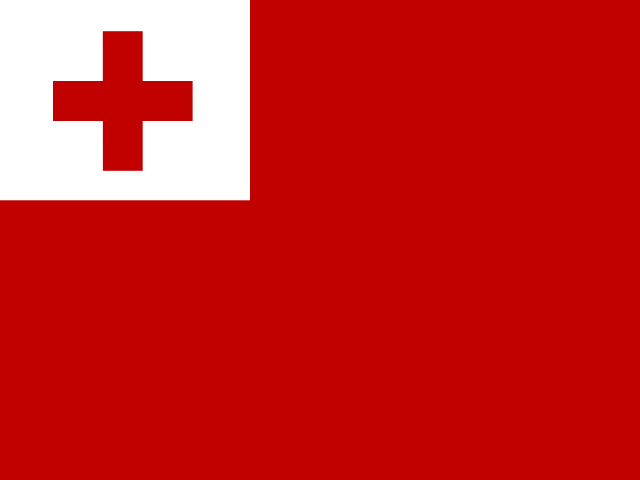
Capital Nuku‘alofa Facts and notes Nuku‘alofa lies on Tongatapu Island. Tonga’s Royal Palace stands on the city’s waterfront. Sources
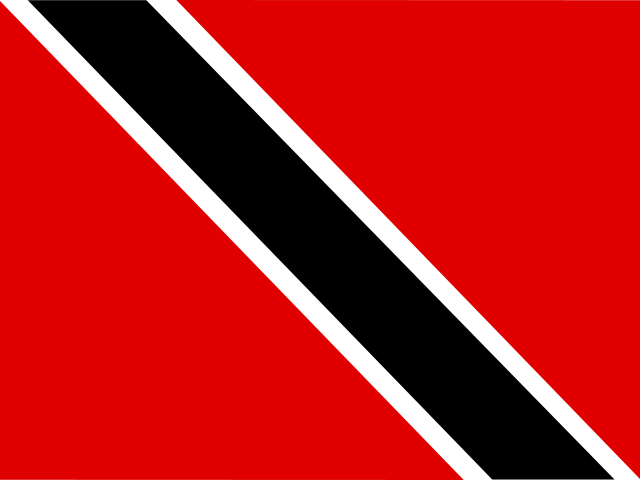
Capital Port of Spain Currency Trinidad & Tobago Dollar TTD Facts and notes The Red House in Port of Spain is Trinidad and Tobago’s parliament building. It opened after rebuilding in 1907, and Parliament returned in 2020 following a later major restoration. Sources
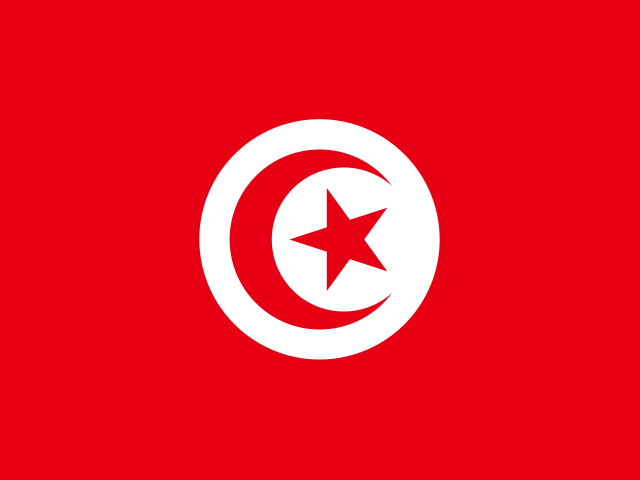
Capital Tunis Facts and notes The Medina of Tunis preserves around 700 historic monuments, ranging from mosques and palaces to fountains and schools. Sources
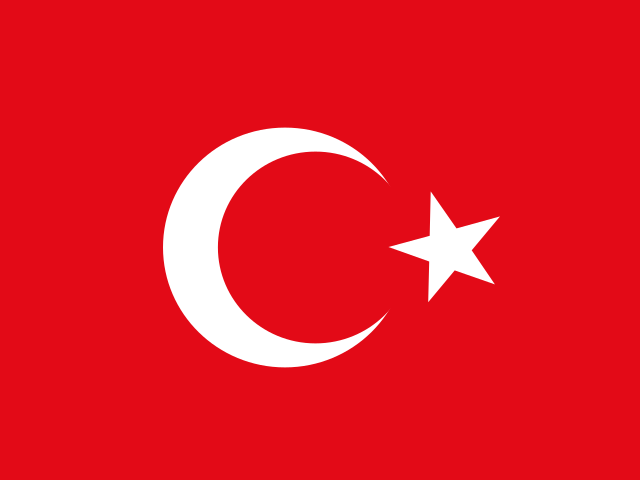
Capital Ankara Facts and notes Ankara is home to Anıtkabir, the mausoleum of Mustafa Kemal Atatürk, founder of the Republic of Türkiye. Near Ankara Castle, the Museum of Anatolian Civilizations displays archaeological finds from the region. Sources
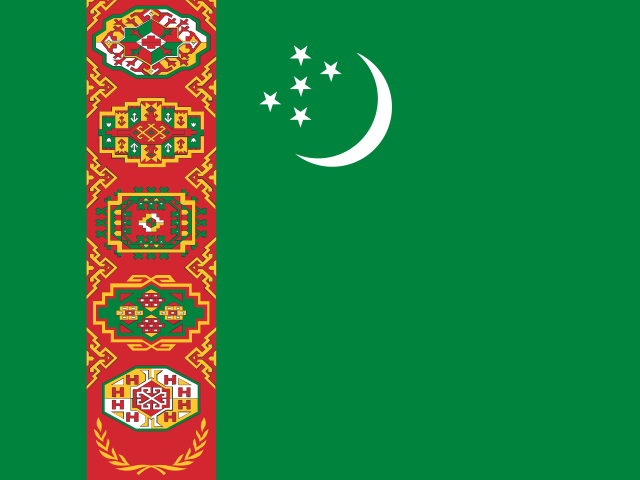
Capital Ashgabat Facts and notes The red stripe on Turkmenistan’s flag contains five traditional carpet patterns. Each has a distinct geometric design. Sources
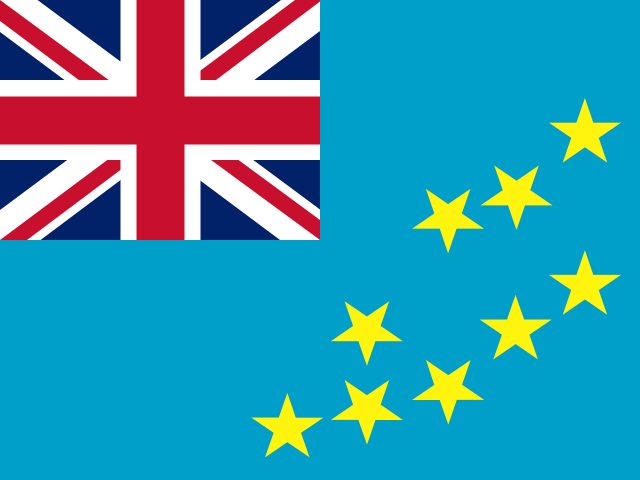
Capital Funafuti Facts and notes The capital name Funafuti refers to the atoll, rather than a single separate city. It should not be read as just one street or settlement.
Tuvalu’s capital, Funafuti, is an atoll. The country consists of nine islands and atolls scattered across the Pacific Ocean. Sources
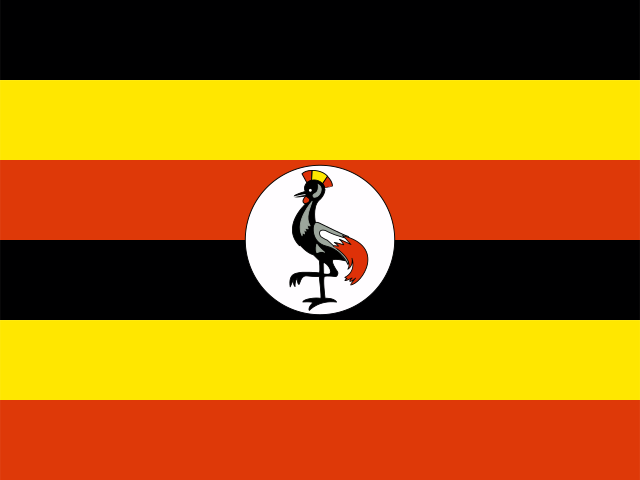
Capital Kampala Facts and notes The Kasubi royal tombs in Kampala occupy a former palace site. Their main building is known for construction using plant-based materials. Sources
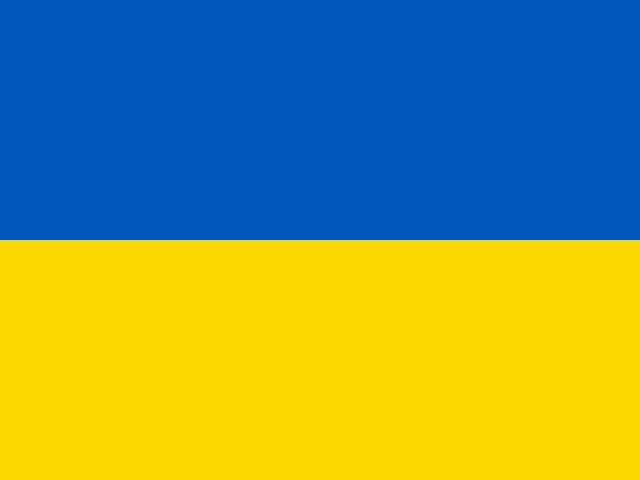
Capital Kyiv Facts and notes Kyiv’s Saint Sophia Cathedral preserves mosaics and frescoes from the 11th century. The Kyiv-Pechersk Lavra monastery complex includes underground churches and caves as well as buildings above ground. Sources
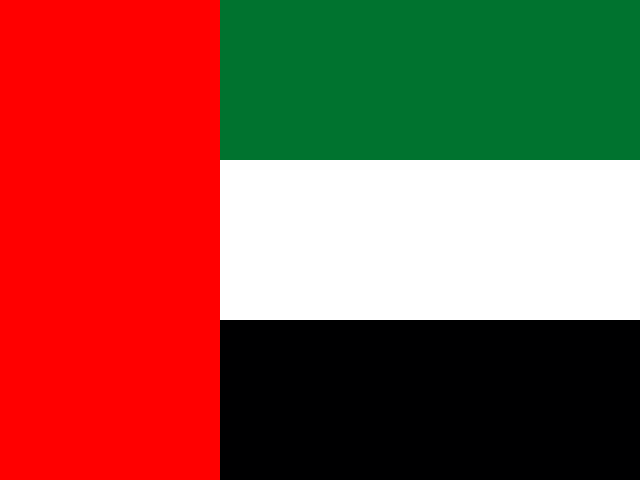
Capital Abu Dhabi Facts and notes Abu Dhabi names both the UAE’s federal capital and one of its seven emirates. The city and the surrounding emirate are different areas. Sources
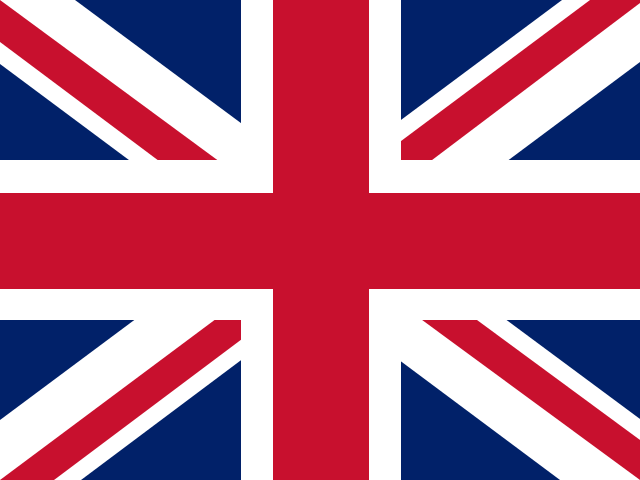
Capital London Facts and notes The meridian at London’s Greenwich Observatory was chosen in 1884 as the international reference for measuring longitude. Sources
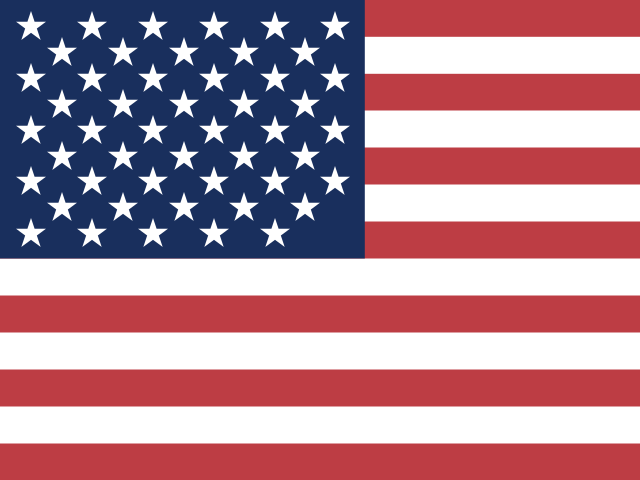
Capital Washington, D.C. Facts and notes The U.S. capital is in the federal District of Columbia, which is not part of any of the 50 states. The U.S. Congress established the federal district in 1790 to serve as the nation’s capital. Sources
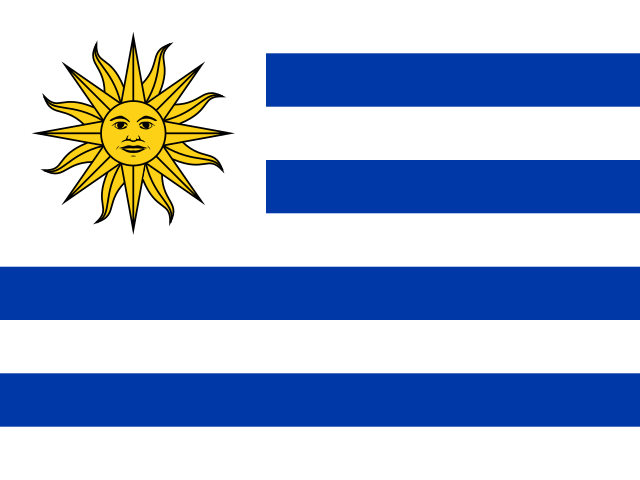
Capital Montevideo Facts and notes Montevideo became a UNESCO City of Literature in 2015. Its libraries, bookshops, literary cafés and Tristán Narvaja street market reflect the city’s strong literary culture. Sources
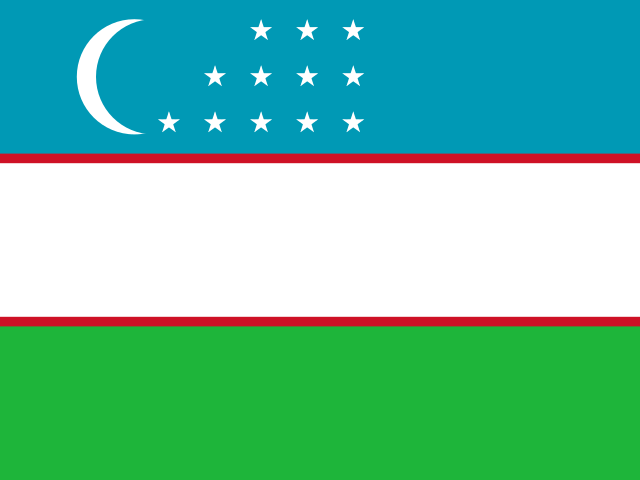
Capital Tashkent Facts and notes Uzbekistan’s present flag law was adopted on 18 November 1991. Its blue stripe carries a crescent and twelve stars. Sources
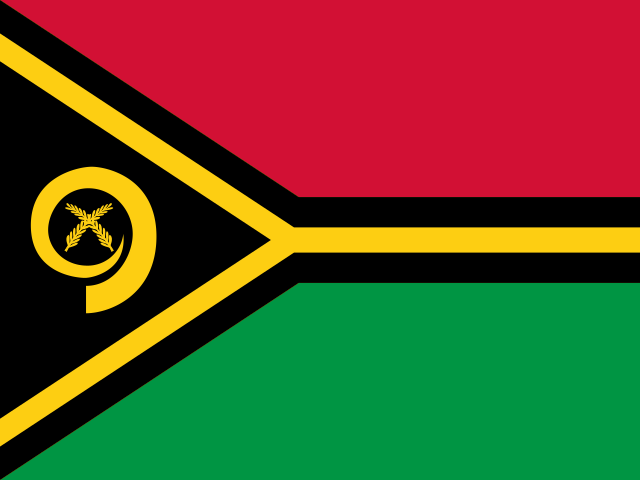
Capital Port Vila Facts and notes Port Vila lies on Efate Island in Shefa Province. It is both Vanuatu’s national capital and the province’s administrative centre. Sources
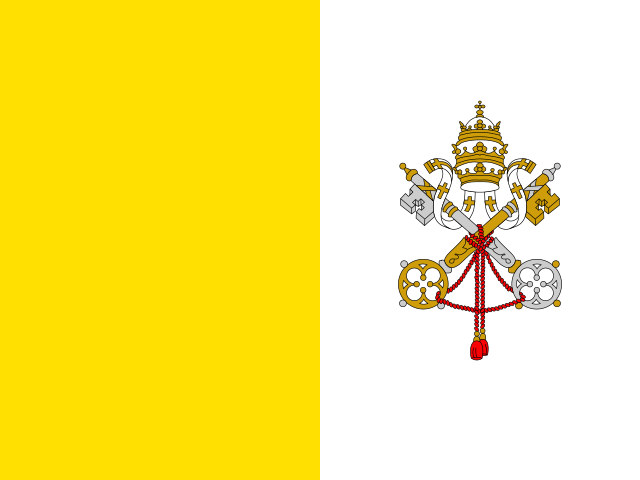
Capital Vatican City Facts and notes Vatican City is an independent city-state surrounded by Rome, with no separate capital city.
In 1984, the whole of Vatican City was inscribed on UNESCO’s World Heritage List, rather than just one building. Sources
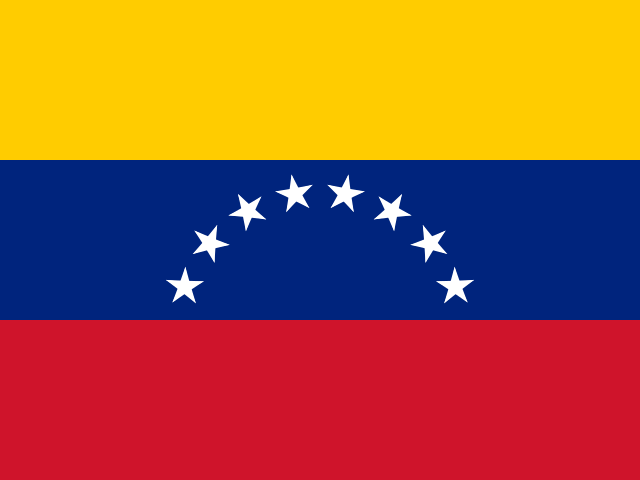
Capital Caracas Facts and notes The bolívar is shown with code VES. ISO also lists VED (“Bolívar Soberano”); it is not treated here as a separate second cash currency.
Architect Carlos Raúl Villanueva designed Caracas’s Ciudad Universitaria university campus. Modern architecture and artworks are brought together as parts of one university environment. Sources
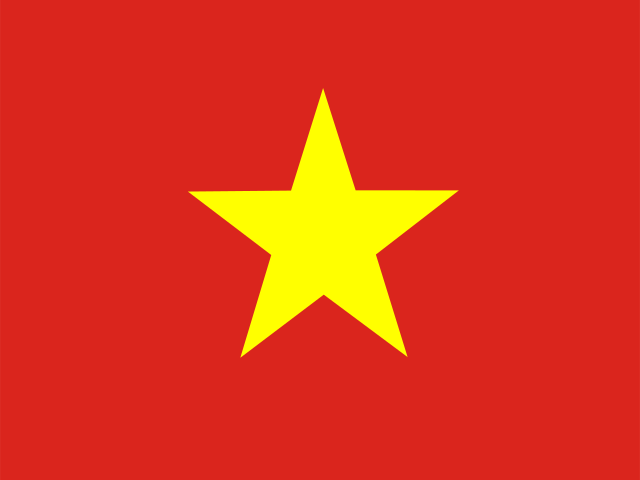
Capital Hanoi Facts and notes The central area of Hanoi’s Thang Long citadel records the city’s long role in government. The imperial citadel was established under the Ly dynasty in the eleventh century. Sources
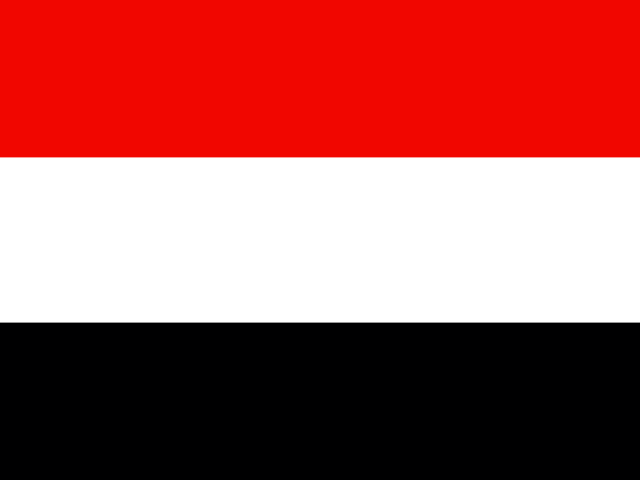
Constitutional capital Sana’a Facts and notes Sana’a is the constitutional capital. Because of the conflict, the internationally recognized government uses Aden as its temporary capital. The quiz asks for the constitutional capital.
Sana’a’s Old City lies in a mountain valley at about 2,200 metres above sea level. Its traditional multi-storey tower houses are a distinctive feature. Sources
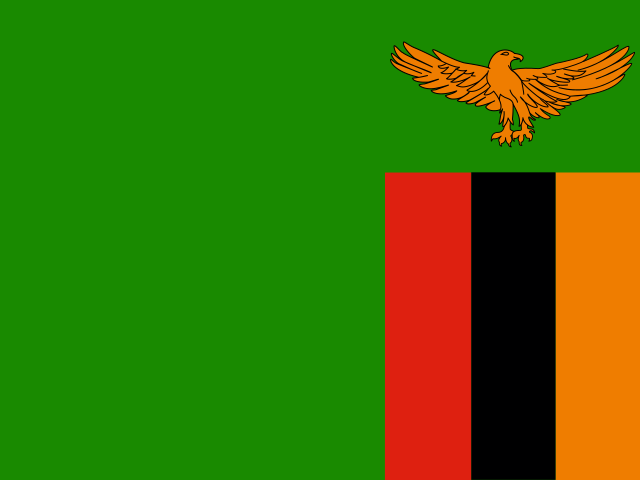
Capital Lusaka Facts and notes On the Zambia–Zimbabwe border, the Zambezi River plunges over Victoria Falls, also known as Mosi-oa-Tunya. Sources
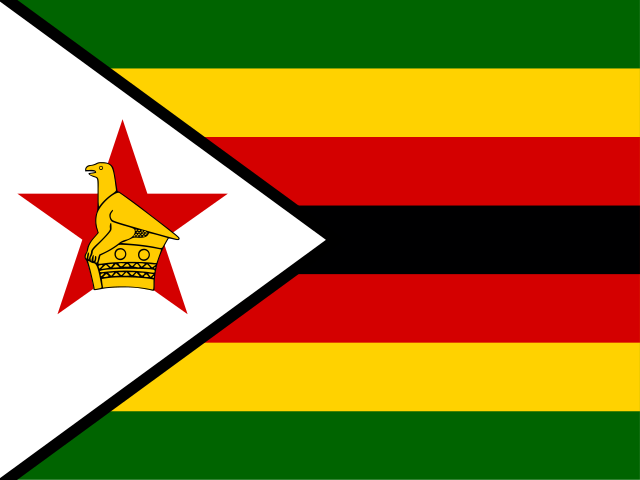
Capital Harare Currency Zimbabwean Gold ZWG US dollar USD Facts and notes The national currency is Zimbabwe Gold (ZiG), code ZWG. A multicurrency system also allows the US dollar and other permitted foreign currencies alongside ZiG; the main examples are shown here.
The ruins of Great Zimbabwe preserve evidence of the 11th–15th-century Shona civilisation and a medieval trading city, distinct from today’s capital Harare. Sources
National and principal circulating currencies are shown. Notes explain multiple currencies; accounting units and exchange rates are not included.
Currency data checked: 2026-11-03
Daily word
Tic-tac-toe
Hangman
Connect four
Word climb
Sudoku
Flag memory
Lithuanian coats of arms memory
Lithuanian coats of arms quiz
U.S. states & capitals memory
U.S. state capitals quiz
Countries & capitals memory
Country capitals quiz
Countries & currencies memory
Country currencies quiz
Flag quiz
Solar System quiz
No sign-up · No ads