Albania
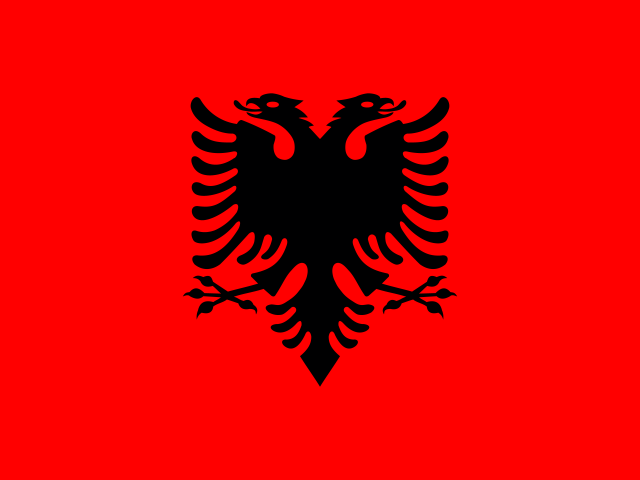
- Capital
- Tirana
Tirana became Albania’s capital in 1920, initially on a temporary basis.
Its Clock Tower predates that capital status: it was built in the early 19th century.
Explore 45 European countries, their flags, capitals and facts. Test your geography in Find the Country practice.
45 countries: our Europe learning collection plus Cyprus. This is a European viewport: Russia and other countries extending beyond it are shown only in part. Turkey remains in our Asia collection; Kosovo is outside this collection.
Enable JavaScript for the interactive map and practice. You can also read the list and facts below.
Choose an area. Extra dots help you select small areas; dot size does not represent population.
Tirana became Albania’s capital in 1920, initially on a temporary basis.
Its Clock Tower predates that capital status: it was built in the early 19th century.
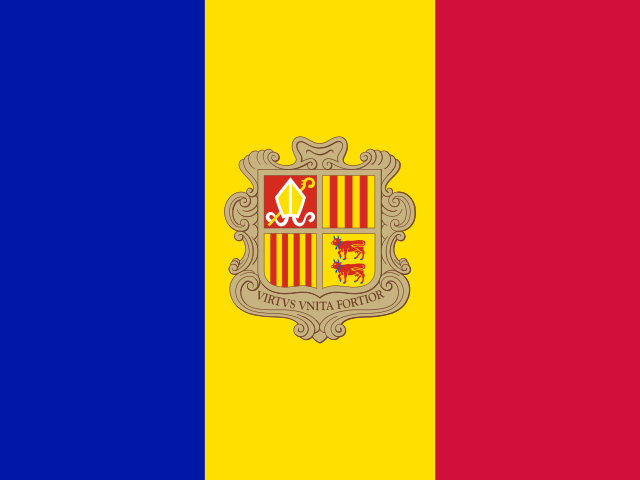
Casa de la Vall in the old town was built in 1580 and later became the home of Andorra’s parliament.
Mozart, Beethoven and Schubert lived and worked in Vienna, helping make it a major centre of European music.
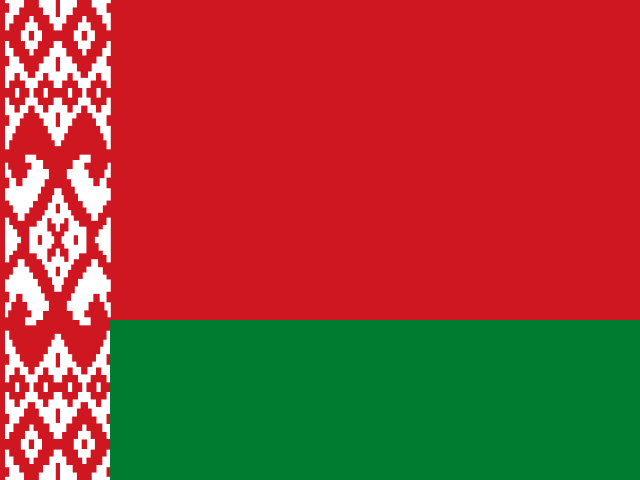
The upper part of Minsk’s National Library building, completed in 2006, resembles an enormous cut diamond.
This unusual structure houses the library’s book collections.
Most of the ornate guild houses around Brussels’ Grand-Place were rebuilt after the city was bombarded in 1695.
Sarajevo’s old trading and craft quarter, Baščaršija, began developing in the 15th century.
Its name comes from Turkish and means the main market.
The remains of ancient Serdica lie beneath the centre of modern Sofia.
At the Western Gate, parts of an old street, the city wall and water channels are on display.
A funicular just 66 metres long links Zagreb’s Upper and Lower Towns.
It began operating in 1890 and is the city’s oldest form of public transport.
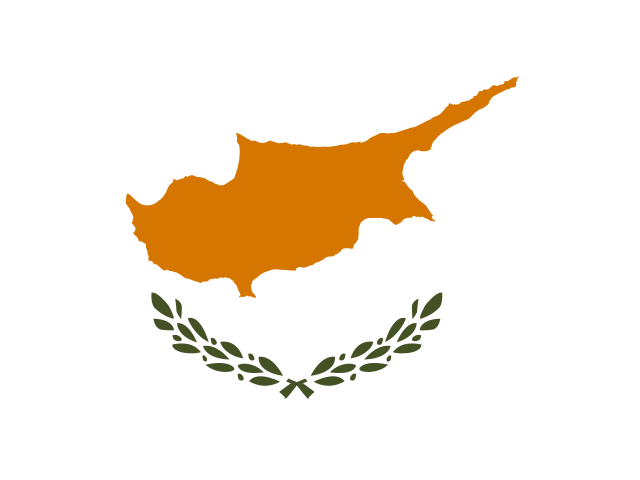
Nicosia’s old city is surrounded by defensive walls built by the Venetians in the 16th century.
Eleven heart-shaped bastions strengthen this circular fortification.
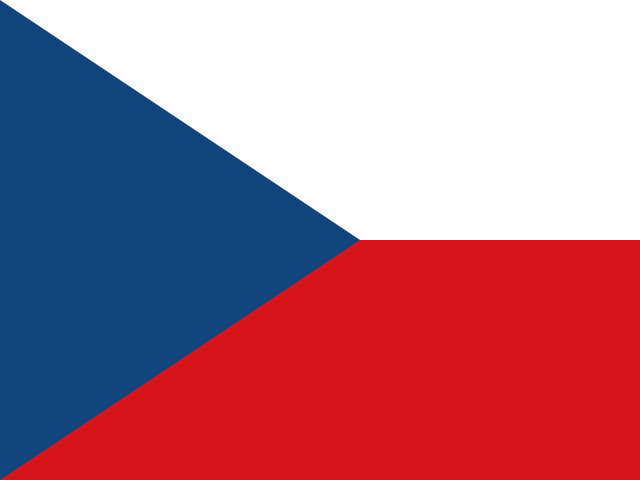
The astronomical clock at Prague’s Old Town Hall dates back to 1410.
Figures of the twelve apostles appear in its mechanical display.
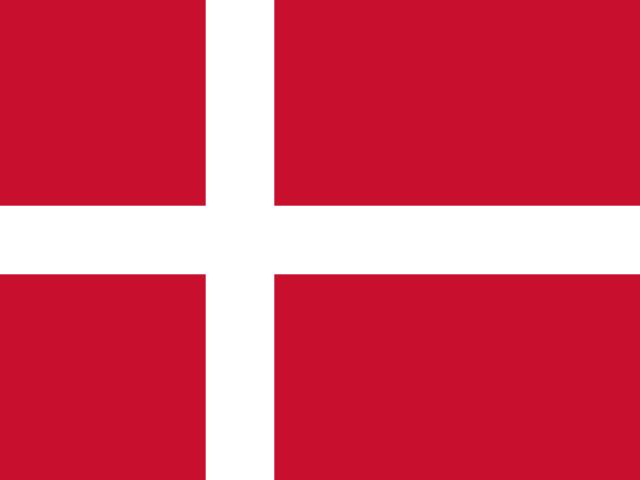
Copenhagen’s Little Mermaid statue was unveiled in 1913, inspired by Hans Christian Andersen’s fairy tale.

Tallinn’s old town combines the upper town on a hill with the lower merchants’ town at its foot.
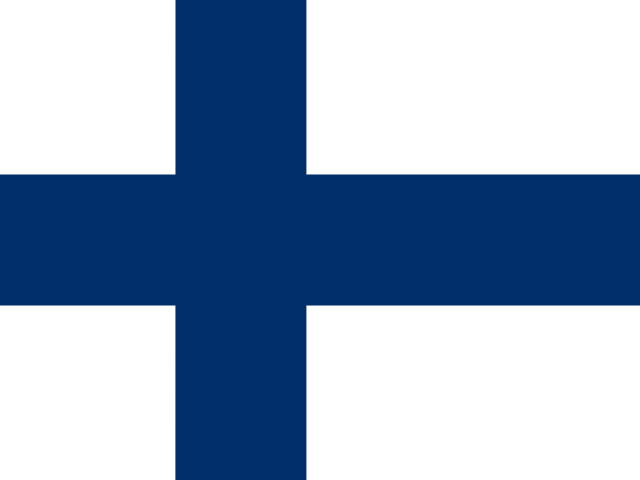
The cathedral, Government Palace, main university building and National Library around Helsinki’s Senate Square were designed by the same architect, Carl Ludvig Engel.
Pont Neuf means “New Bridge”, even though it is the oldest surviving bridge in Paris.
Napoleon took the four-horse sculpture from the Brandenburg Gate to Paris; it returned to Berlin in 1814.
The Parthenon stands on Athens’ rocky Acropolis hill and was built in the 5th century BC.
The temple was dedicated to Athena, the city’s patron goddess.
Budapest was formed in 1873 by joining three towns: Buda, Óbuda and Pest.
Buda and Pest grew on opposite banks of the Danube.
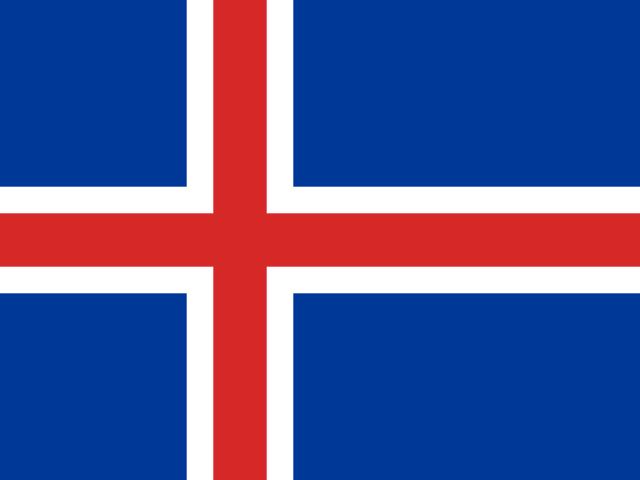
Reykjavík means “smoky bay”, a name linked to the steam rising from local hot springs.
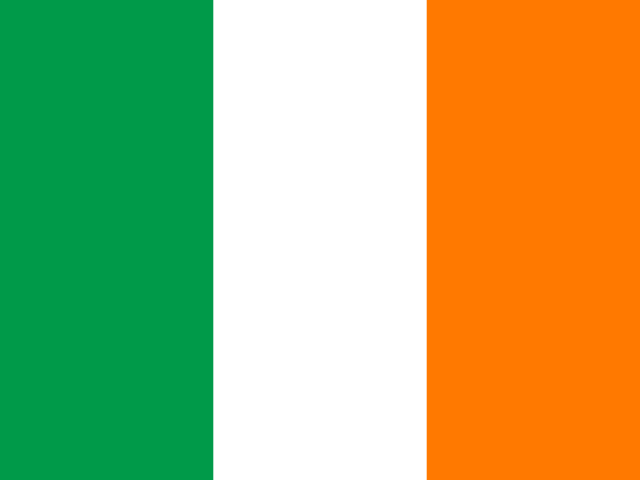
Dublin became a UNESCO City of Literature in 2010; even its bridges and streets carry writers’ names.
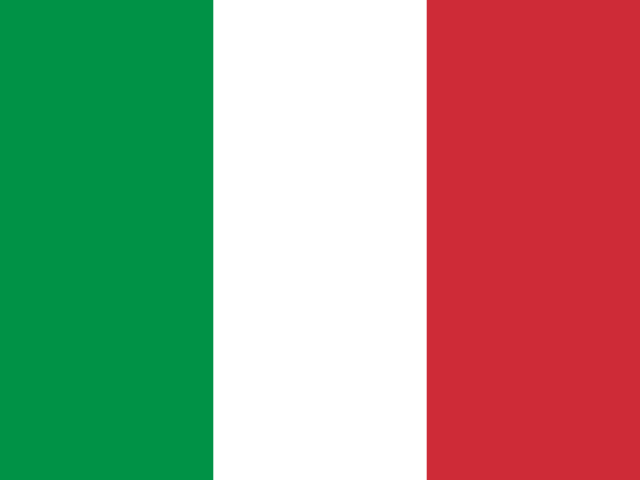
Rome’s Pantheon has an opening almost 9 metres wide in its dome, letting daylight and rain into the building.
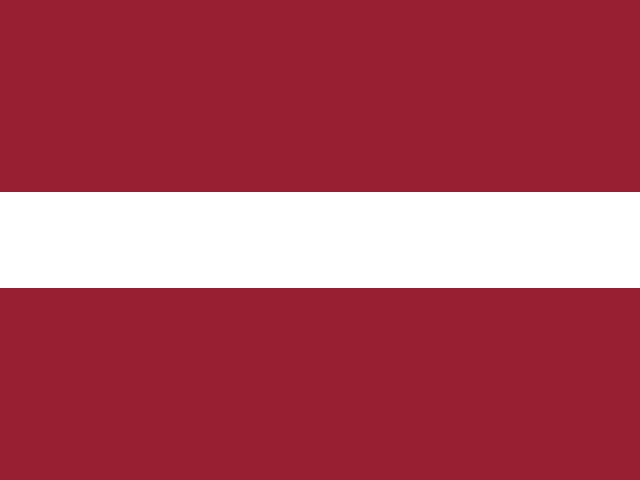
Riga’s historic centre is famous for its richly decorated Art Nouveau buildings.
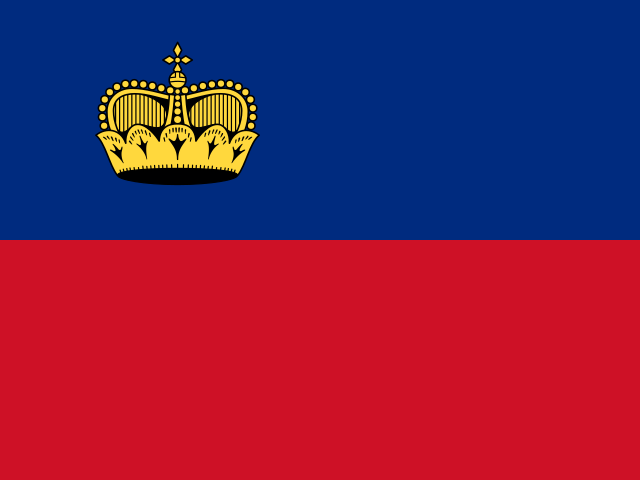
The castle above Vaduz is both a symbol of the town and the permanent residence of Liechtenstein’s princely family.
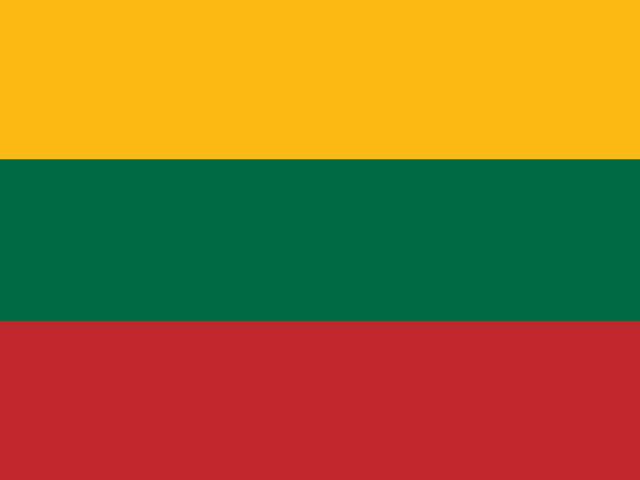
Vilnius appears in written records in 1323, when it was already the capital of the Grand Duchy of Lithuania.
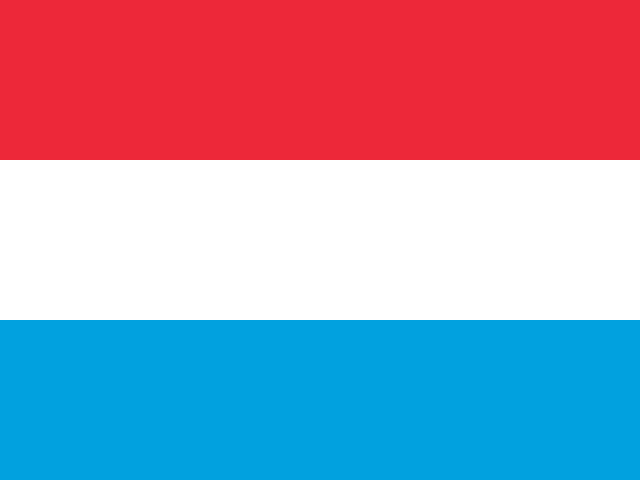
Luxembourg’s old town grew on a steep rocky outcrop by the meeting of the Alzette and Pétrusse rivers, giving it natural defences.
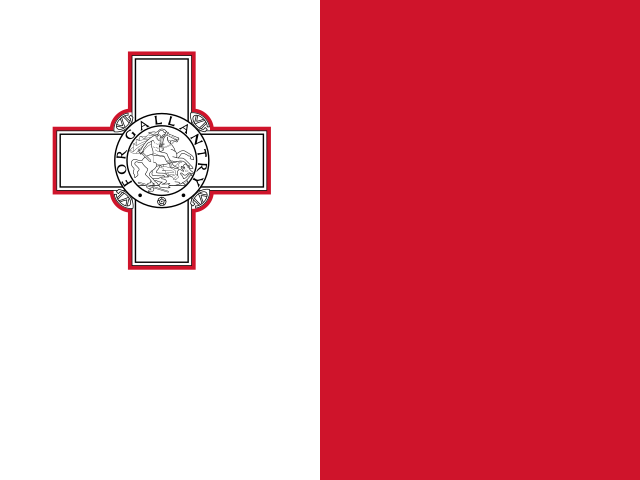
The Knights of St John founded Valletta in 1566, planning a fortified city on a peninsula between two harbours.
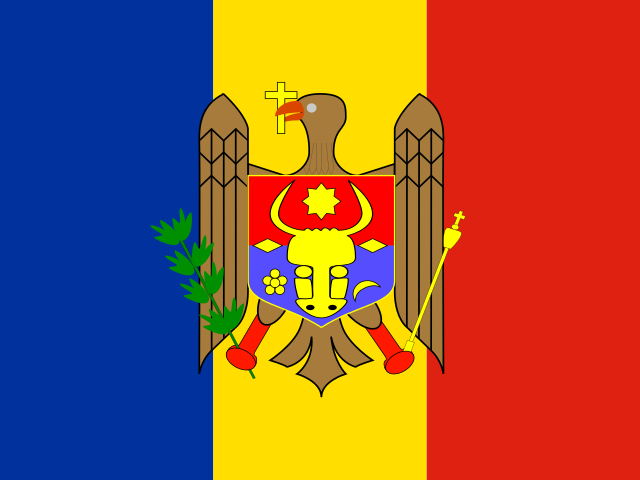
A white-stone Triumphal Arch, 13 metres tall, stands in central Chișinău.
Above its four openings is an upper level with a clock.
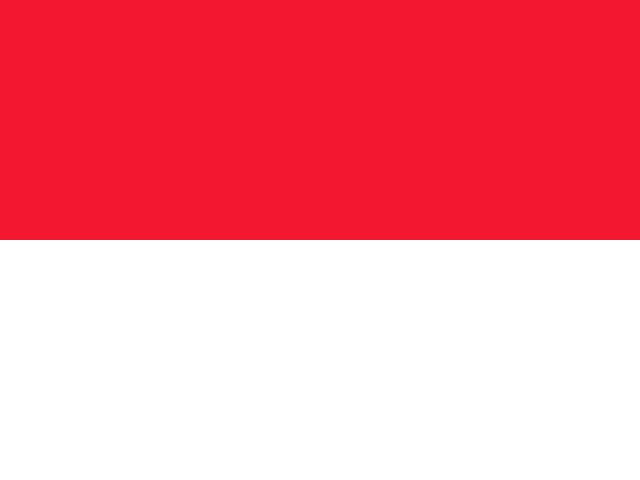
Monaco is a city-state: this entry refers to Monaco as a whole, not a separate capital or the Monte Carlo district.
Monaco’s Oceanographic Museum preserves scientific instruments used on Prince Albert I’s ocean expeditions.
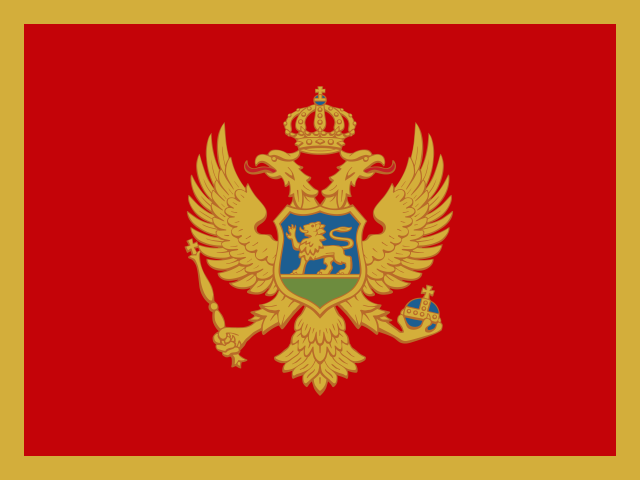
Podgorica lies on five rivers: the Morača, Zeta, Ribnica, Cijevna and Sitnica.
The Morača, the largest river through the city, later flows into Lake Skadar.
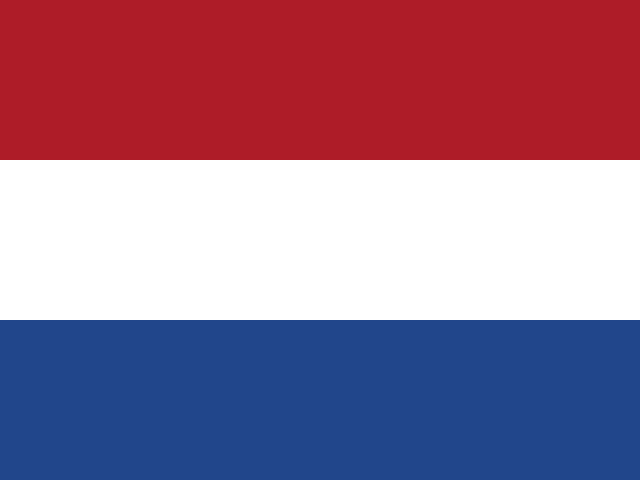
Amsterdam is the capital of the Netherlands, while the government and parliament are based in The Hague.
Amsterdam’s 17th-century canal ring was planned in concentric arcs around the old town as the city expanded onto drained land.
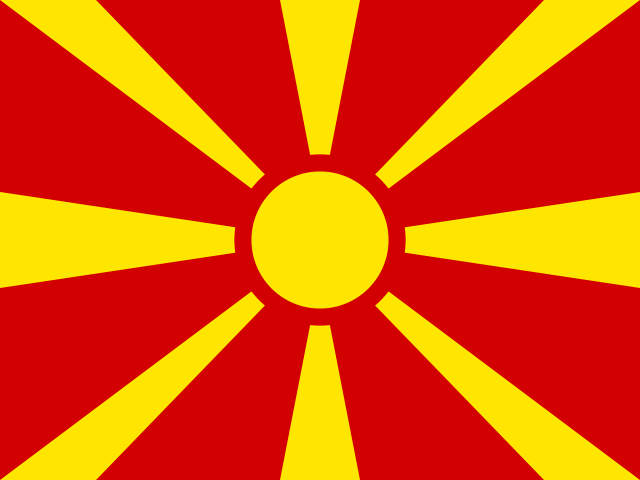
The Vardar flows through Skopje, and the Stone Bridge is one of the city’s symbols.
The bridge, river and Kale Fortress even appear on the city’s coat of arms.
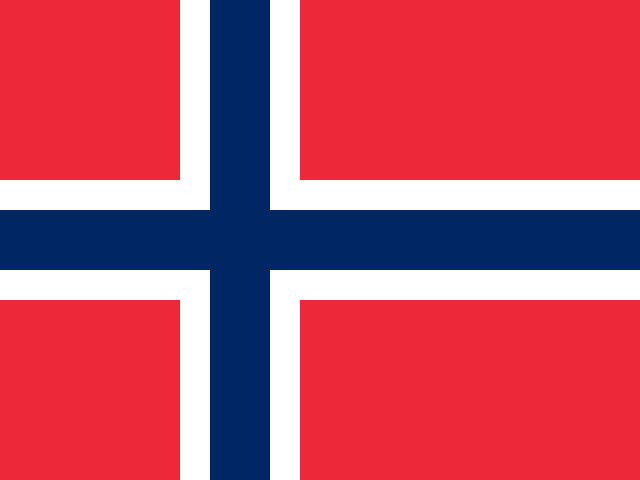
The Nobel Peace Prize is presented in Oslo, with its ceremony traditionally held at City Hall on 10 December.
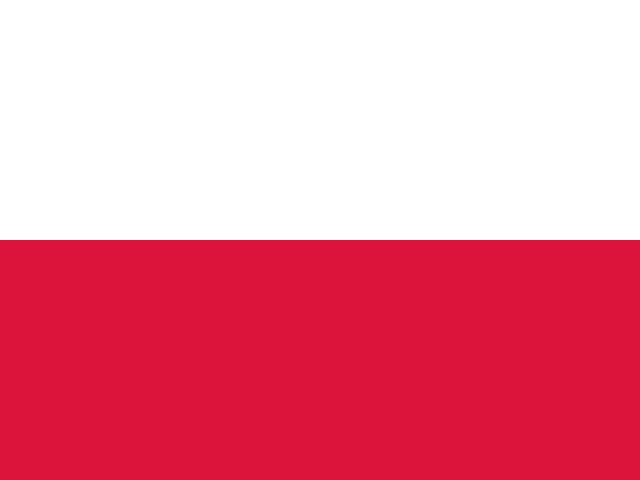
Warsaw’s Old Town was carefully reconstructed after World War II because most of it had been destroyed in 1944.
Old documents, images and surviving building fragments helped guide the rebuilding.
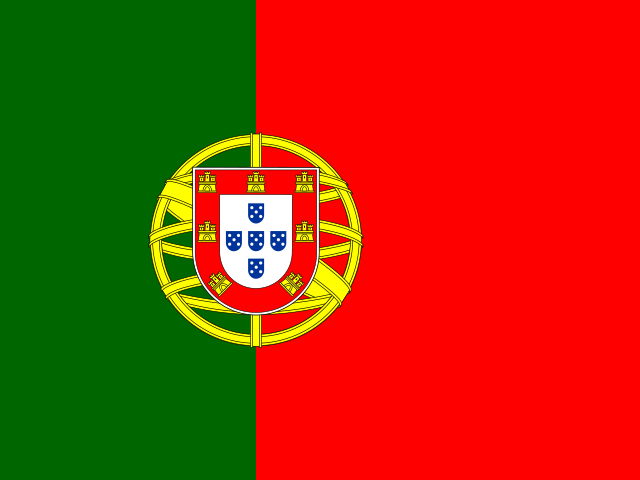
After the earthquake of 1755, central Lisbon was replanned and rebuilt as the district now called Baixa Pombalina.
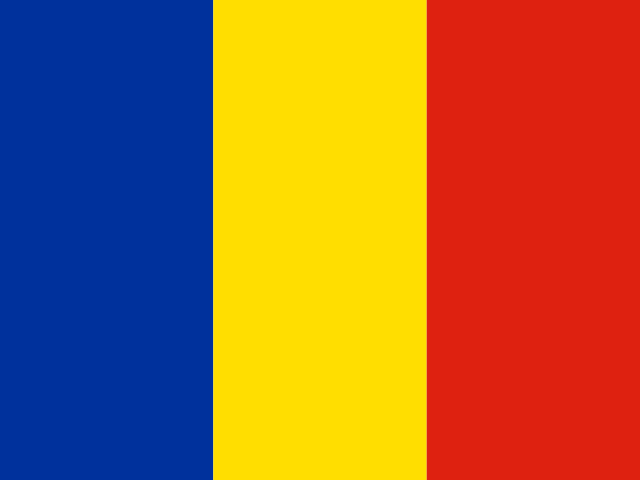
A large area of old Bucharest was demolished to make room for the Palace of Parliament.
Around 2,800 chandeliers were used in the interior of this enormous building.
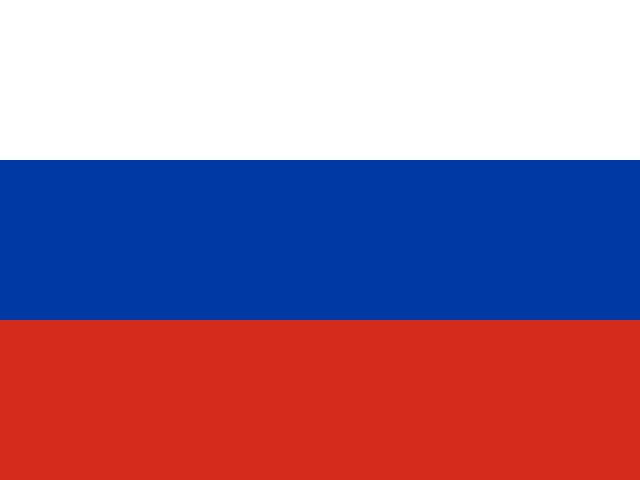
Moscow’s Kremlin is a walled citadel whose defences include 20 towers.
Red Square runs alongside its eastern wall.
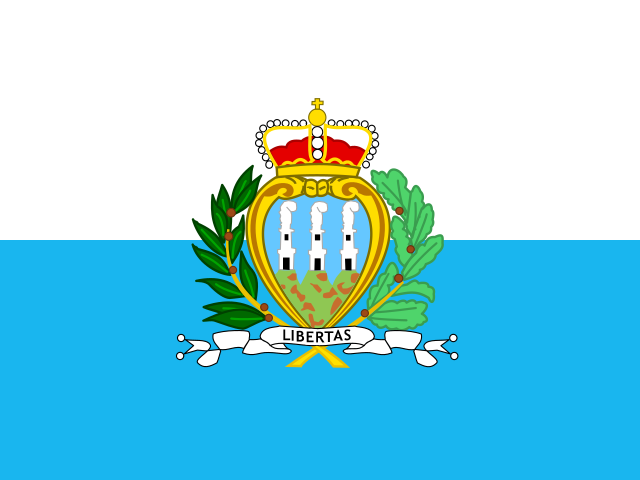
Three towers symbolise the city of San Marino: Guaita, Cesta and Montale.
The historic centre and Mount Titano joined the UNESCO World Heritage List in 2008.
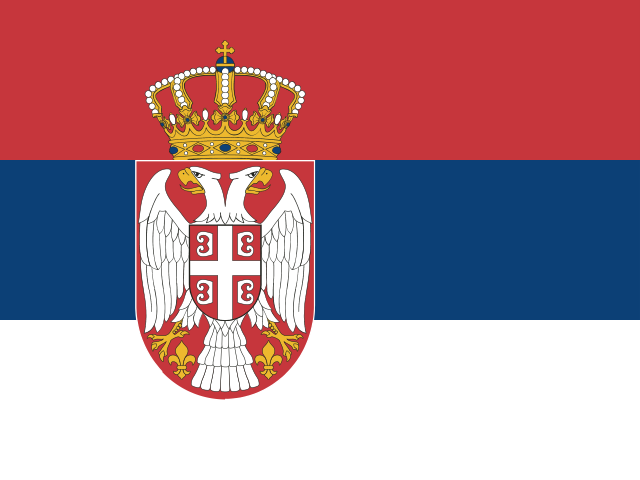
Belgrade stands where two major rivers meet: the Sava and the Danube.
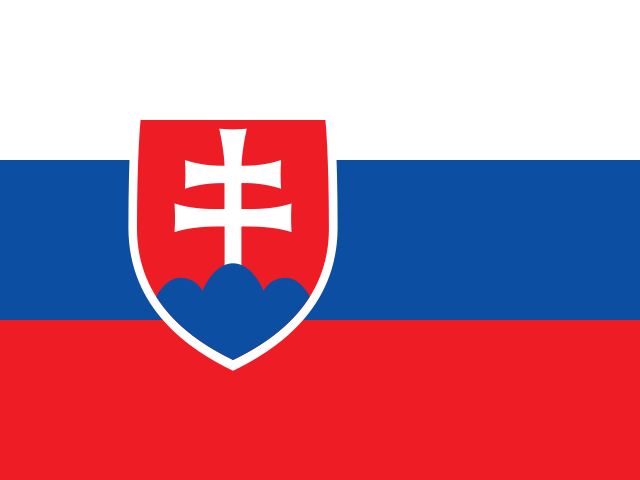
Bratislava Castle stands on a hill above the Danube.
Its oldest surviving tower once safeguarded the Hungarian coronation jewels.
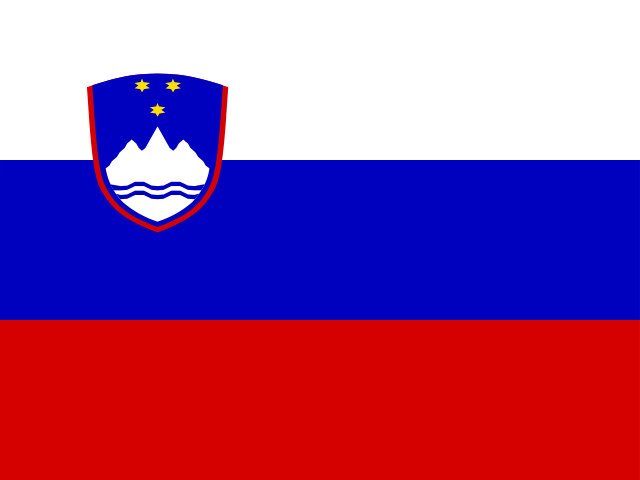
Ljubljana’s Triple Bridge started as a single stone bridge built in 1842.
Between 1929 and 1932, architect Jože Plečnik added two pedestrian bridges beside it.
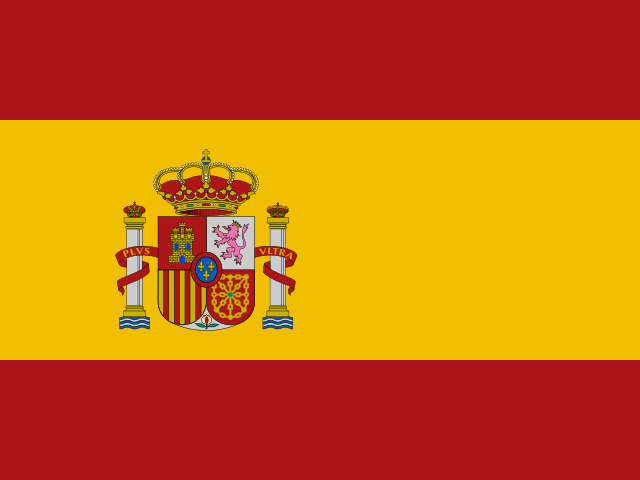
Madrid’s Prado Museum opened in 1819, although its building was originally designed to house natural history collections.
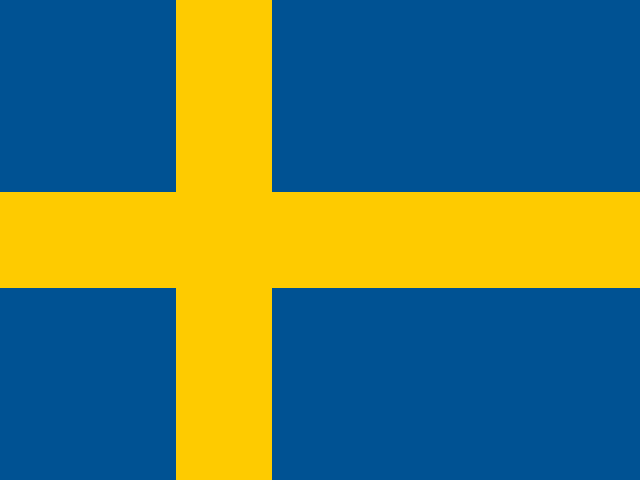
Stockholm is built on fourteen islands, making water a defining part of the city itself.
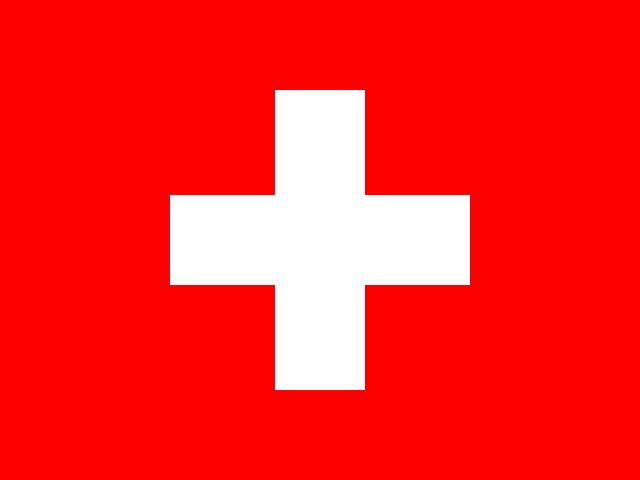
Bern is the federal city and serves as the de facto capital; Switzerland has no formally designated capital in the usual legal sense.
Bern’s old town has around 6 km of arcades: covered walkways that shelter pedestrians from rain and sun.
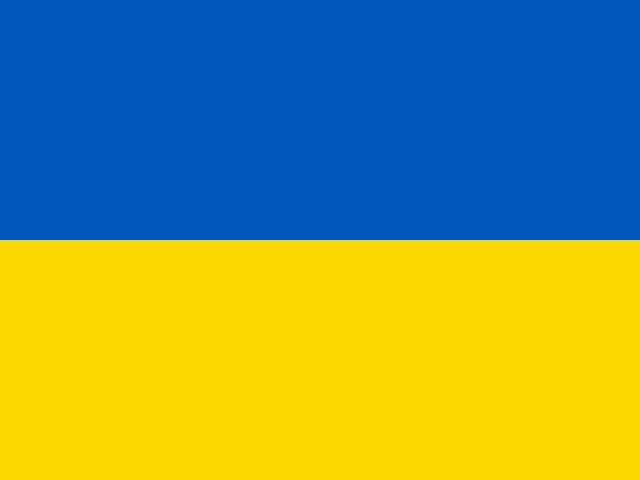
Kyiv’s Saint Sophia Cathedral preserves mosaics and frescoes from the 11th century.
The Kyiv-Pechersk Lavra monastery complex includes underground churches and caves as well as buildings above ground.
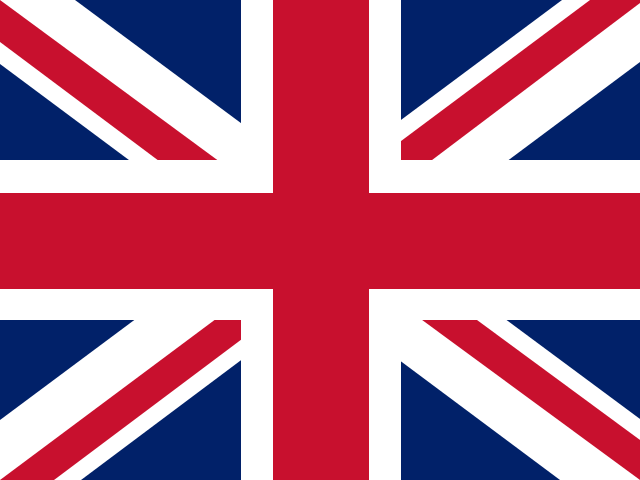
The meridian at London’s Greenwich Observatory was chosen in 1884 as the international reference for measuring longitude.
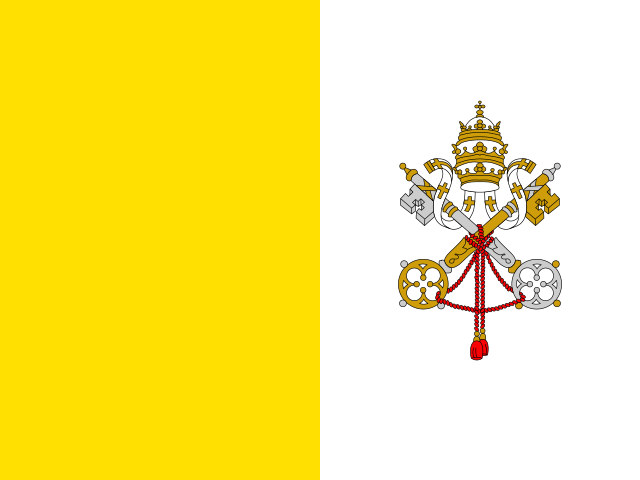
Vatican City is an independent city-state surrounded by Rome, with no separate capital city.
In 1984, the whole of Vatican City was inscribed on UNESCO’s World Heritage List, rather than just one building.
Generalized Natural Earth boundaries are for learning, not determining official borders. Viewport: 32–72°N, 32°W–62°E; overseas territories and Svalbard are omitted. Distances run directly between capital reference points, not along roads.
Landmarks are generalized. These are selected rivers, not the entire river network; this is a learning map, not a navigation map.
Download landmark data · ODbL 1.0
Data checked: 2026-11-03
No sign-up · No ads